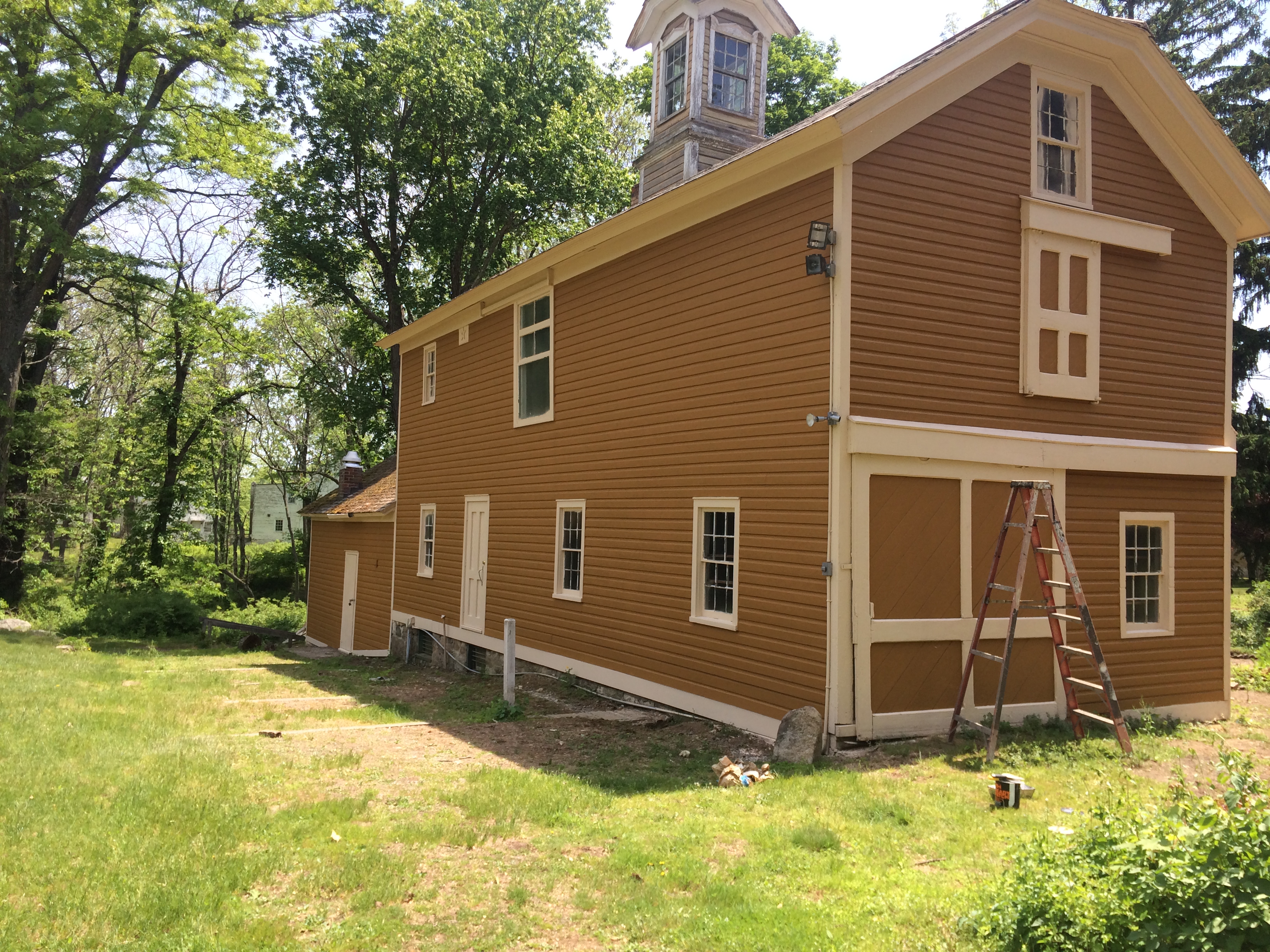

Achieve a Flawless Finish That Lasts
A pristine paint job is more than just a coat of color; it’s a protective shield for your property. But to achieve a finish that is both beautiful and durable, what lies beneath the surface is critically important. For metal, concrete, and even some wood surfaces, simply painting over the existing layer isn’t enough. This is where the powerful combination of sandblasting and painting comes in, offering a superior method for preparing and finishing surfaces for maximum longevity and an impeccable appearance. This process is essential for everything from industrial machinery to historic buildings and residential metalwork, ensuring the final coating adheres perfectly and stands up to the elements.
What Exactly is Sandblasting?
Sandblasting, also known as abrasive blasting, is a surface preparation technique that involves forcibly propelling a stream of abrasive material against a surface under high pressure. The goal is to smooth a rough surface, roughen a smooth surface, shape a surface, or remove surface contaminants. Think of it as an industrial-strength exfoliation for tough materials. The “sand” can be various media, from actual sand and glass beads to steel grit and walnut shells, each chosen for its specific effect on a particular substrate.
The process effectively strips away old paint, rust, scale, grease, and other impurities that can compromise the adhesion of a new coating. By removing these contaminants, sandblasting creates a clean, profiled surface—a textured finish with microscopic peaks and valleys. This “anchor pattern” gives the new paint or coating something to grip onto, creating a much stronger, more durable bond than painting on an unprepared surface could ever achieve.
Why Combine Sandblasting with Painting? The Core Benefits
Pairing these two services is not just about aesthetics; it’s a strategic investment in the preservation and performance of your assets. The synergy between proper surface preparation and professional coating application delivers unmatched results.
Superior Adhesion and Durability
As mentioned, the primary benefit is creating an ideal surface for paint adhesion. When paint is applied to a clean, profiled surface, it forms a mechanical bond that is significantly stronger and more resilient. This means the coating is far less likely to chip, peel, or flake, even in harsh conditions. It extends the life of the paint job, saving you money on future maintenance and repainting.
Complete Removal of Contaminants
Rust and corrosion are like a cancer for metal. Painting over rust is a temporary fix at best; the corrosion will continue to spread beneath the new paint, eventually bubbling up and causing the coating to fail. Sandblasting is one of the most effective methods for completely eradicating rust and other corrosive elements, stopping the damage in its tracks and preparing the metal for a protective coating like an epoxy.
Efficiency and Time-Savings
Compared to manual methods like sanding, wire brushing, or chemical stripping, sandblasting is incredibly fast and efficient, especially on large or complex surfaces. For commercial painting contractors, this means less downtime for your facility. For homeowners, it means your project is completed much more quickly. From industrial equipment to wrought iron fences, sandblasting gets the preparation phase done right in a fraction of the time.
A Smoother, More Professional Finish
Because sandblasting removes all imperfections—old drip marks, uneven texture, and ingrained dirt—it paves the way for a flawless, factory-like finish. This is especially important for services like electrostatic painting, where a smooth, clean surface is essential for the electrically charged paint particles to wrap evenly around the object.
Local Focus: Sandblasting and Painting in Tinton Falls, New Jersey
In a state like New Jersey, with its diverse climate of humid summers, freezing winters, and proximity to salty sea air, exterior surfaces take a beating. Property owners in Tinton Falls and across the state understand the importance of robust protection against the elements. The moisture, road salt, and temperature fluctuations accelerate the process of rust, corrosion, and paint failure.
For this reason, professional sandblasting and painting is not a luxury but a necessity for maintaining the value and integrity of both commercial and residential properties. Whether it’s maintaining industrial facilities, restoring the intricate metalwork on a historic building, or refinishing metal railings on a residential property, the process ensures a coating that can withstand the specific environmental challenges of New Jersey. Spectra Painting has been serving the state since 1989, providing specialized services tailored to these local needs.
Common Applications for Sandblasting and Painting
This versatile process is ideal for a wide range of projects across different sectors:
| Sector | Applications |
|---|---|
| Commercial & Industrial | Structural steel, machinery, equipment, tanks, pipes, concrete floors, warehouse ceilings, and building exteriors. |
| Residential | Wrought iron fences, metal railings, patio furniture, swimming pools, car frames, and brick or stone cleaning. |
| Historic Restoration | Careful removal of old paint and corrosion from historic metalwork, masonry, and architectural details to prepare for authentic repainting. |
Ready for a Flawless, Lasting Finish?
Don’t let rust, corrosion, or failing paint diminish the value and safety of your property. Invest in a solution that prepares and protects your surfaces for years to come. The experts at Spectra Painting have decades of experience in professional sandblasting and painting services across New Jersey.
Frequently Asked Questions
Is sandblasting safe for all surfaces?
No, sandblasting is an aggressive process. It is ideal for hard surfaces like metal, concrete, and some hardwoods, but it can damage softer materials like softwoods, plastics, or thin sheet metal. A professional contractor will assess the surface and choose the appropriate abrasive media and pressure to avoid damage.
What kind of paint is used after sandblasting?
The type of paint or coating depends entirely on the surface and its intended use. For industrial metal, a high-performance epoxy primer and urethane topcoat are common for corrosion resistance. For residential metalwork, a direct-to-metal (DTM) alkyd enamel might be used. A professional will recommend the best coating system for maximum protection.
How long does the sandblasting and painting process take?
The duration depends on the size and complexity of the project, accessibility, and weather conditions (for exterior work). However, because sandblasting is so efficient, it significantly shortens the overall project timeline compared to manual preparation methods. Mobiles services also reduce downtime by bringing the equipment directly to your site.
Do I need to hire a professional for sandblasting?
Absolutely. Sandblasting requires specialized equipment, safety gear (including respiratory protection), and technical expertise. Professionals understand how to contain the abrasive media, protect surrounding areas, handle waste disposal, and achieve the correct surface profile for painting. It is not a DIY-friendly project and can be dangerous if performed incorrectly.