
Why Waterproof Coatings are a Smart Investment for Your New Jersey Property

Protect Your Structure from the Foundation Up

Water is relentless. For property owners in New Jersey, the constant battle against moisture—from humid summers and coastal storms to freezing winters—is a serious concern. Water intrusion can compromise a building’s structural integrity, lead to costly repairs, and create unhealthy environments. The solution lies in a proactive defense: professional waterproof coatings. These advanced systems are more than just a layer of paint; they are a crucial investment in the longevity, safety, and value of your commercial or residential property.

At Spectra Painting, we’ve seen firsthand how New Jersey’s climate can take a toll on buildings. Since 1989, we have provided specialized coating solutions that create an impermeable barrier against moisture, safeguarding everything from concrete foundations and masonry to exterior walls and roofs. Understanding how these coatings work and why they are essential is the first step toward securing your property for decades to come.

Beyond Paint: The Science of Waterproof Coatings

Unlike standard house paint, which is primarily decorative, waterproof coatings are engineered for performance. They are formulated to prevent water from penetrating the substrate, effectively sealing it off from the elements. This is vital for materials like concrete, brick, and stucco, which are porous and can absorb water, leading to cracks, spalling, and deterioration over time.

These coatings offer several key benefits for any property:

  • Prevents Structural Damage: By blocking water, these coatings protect rebar from rusting, prevent cracks caused by freeze-thaw cycles, and maintain the integrity of concrete and masonry.
  • Inhibits Mold and Mildew Growth: Moisture is a breeding ground for mold and mildew. A waterproof barrier keeps interiors dry and healthy, protecting air quality for occupants.
  • Reduces Maintenance Costs: Proactively waterproofing your building is far more cost-effective than dealing with extensive water damage repairs down the line.
  • Enhances Energy Efficiency: Certain reflective coatings can lower roof temperatures, reducing the strain on your HVAC system during hot New Jersey summers and leading to lower utility bills.

Whether you manage a large commercial facility or own a historic home, these protective layers are your first line of defense.

Choosing the Right Coating for Your Property

Not all waterproof coatings are created equal. The ideal choice depends on the surface material, its exposure to the elements, and the specific challenges of your property. Here’s a look at some of the most effective types:

Elastomeric Coatings

Known for their incredible flexibility, elastomeric coatings are like a thick, rubber-like skin for your building. They are ideal for exterior surfaces like stucco, concrete, and masonry because they can stretch to bridge hairline cracks that may develop over time. This prevents water from finding its way into the structure. Their durability makes them a top choice for buildings that face harsh weather conditions.

Cementitious Coatings

These are cement-based coatings that provide excellent waterproofing for concrete and masonry surfaces. They are often used for basements, foundations, and water tanks. A professional application creates a seamless barrier that becomes part of the substrate itself, offering long-lasting protection from the inside out.

Polyurethane Coatings

Polyurethane coatings are versatile and highly resistant to abrasion, chemicals, and UV rays. They form a seamless, durable membrane and are excellent for high-traffic areas like balconies, parking decks, and industrial floors. Their resistance to ponding water also makes them a great option for flat roofs.

Did You Know?

A single hairline crack in a building’s foundation can allow gallons of water to seep in during a heavy New Jersey rainstorm. Elastomeric coatings can stretch up to 300% or more, covering these tiny cracks and preventing significant water intrusion before it starts. This flexibility is crucial in a state with dramatic temperature swings that cause building materials to expand and contract.

The New Jersey Advantage: Why Local Climate Matters

From the salty air along the Shore to the humid summers and freezing winters inland, New Jersey’s climate presents unique challenges. Property owners in Tinton Falls and across the state must contend with nor’easters, heavy rain, and significant freeze-thaw cycles that can wreak havoc on building exteriors.

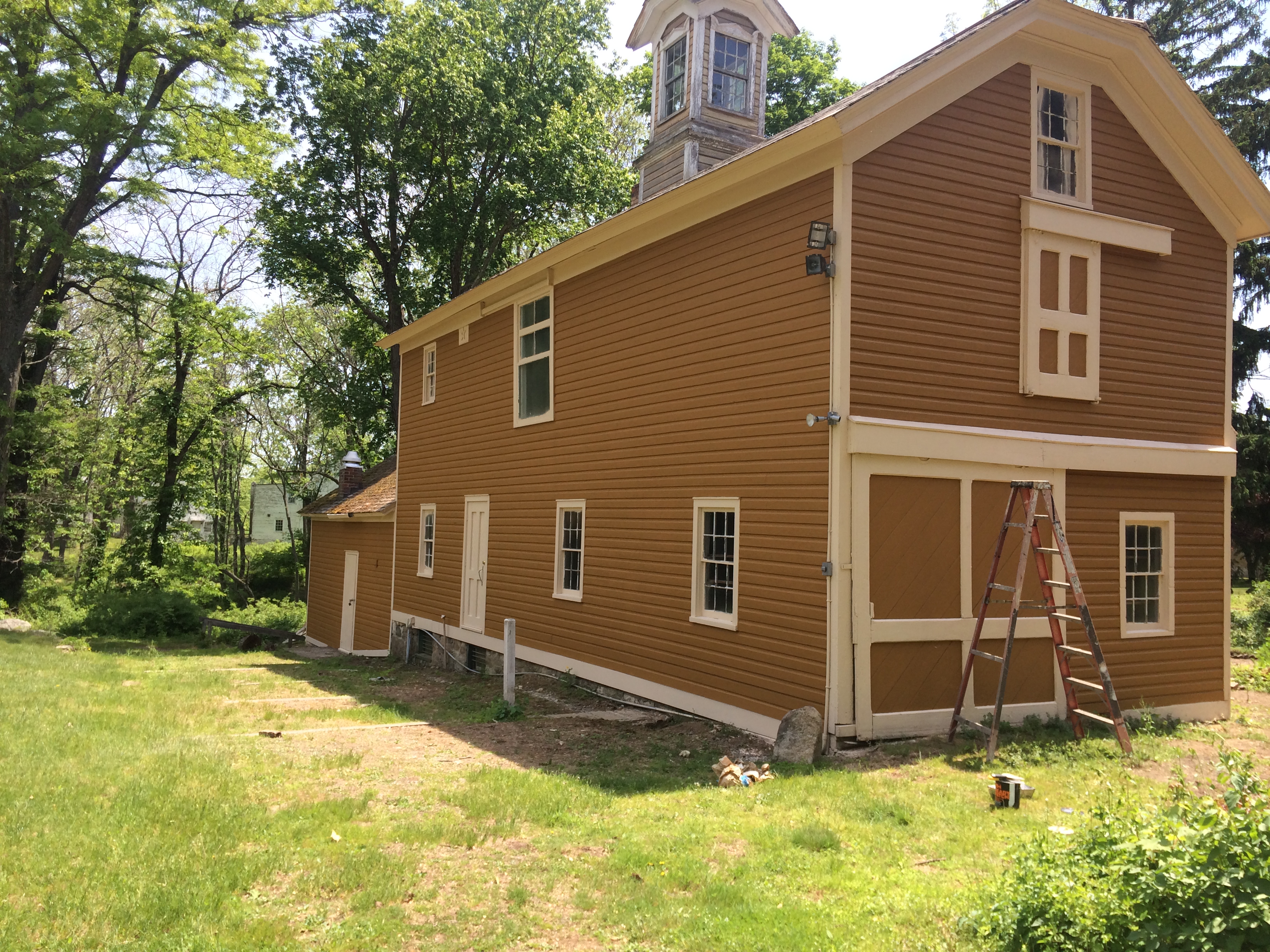
Waterproofing is not a one-size-fits-all solution; it requires a deep understanding of local conditions. For instance, coastal properties need coatings that can withstand salt spray and wind-driven rain. Older structures, including the many beautiful sites we’ve worked on in our historic restoration projects, require specialized materials that protect without compromising their original character. A professional contractor will assess your building’s specific needs to recommend a system that provides maximum protection against New Jersey’s demanding weather.

Ready to Protect Your Property?

Don’t wait for water damage to become a costly problem. Secure your investment with professional waterproof coatings from Spectra Painting.

Get Your Free Quote Today

Frequently Asked Questions

How long do waterproof coatings last?

The lifespan of a waterproof coating depends on the type of product used, the quality of the application, and the environmental conditions. High-quality elastomeric or polyurethane coatings can last 10 years or more with proper maintenance. Regular inspections can help extend the life of the coating.

Can you apply waterproof coatings over existing paint?

It depends. For a waterproof coating to be effective, it must bond directly with the substrate. This often requires removing any old, peeling, or failing paint. A professional contractor will prepare the surface properly, which may include power washing or sandblasting, to ensure optimal adhesion and performance.

Is waterproofing expensive?

While the initial cost of professional waterproofing is higher than a standard paint job, it’s a long-term investment that saves money. By preventing water damage, you avoid much more expensive repairs related to structural issues, mold remediation, and interior damage.

Can any painter apply waterproof coatings?

Applying high-performance waterproof coatings requires specialized knowledge and equipment. Unlike standard painting, improper application can lead to failure of the coating, trapping moisture instead of blocking it. It’s crucial to hire an experienced professional painting contractor familiar with these systems to ensure the job is done right.


Preserving the Past: A Guide to Historic Building Painting in New Jersey

Protecting Garden State Heritage, One Brushstroke at a Time

New Jersey is rich with history, from colonial-era homes in Red Bank to Victorian masterpieces dotting the coastline. Preserving these architectural treasures requires more than just a standard coat of paint; it demands a deep understanding of historical materials, specialized techniques, and a commitment to authenticity. Historic painting is a delicate art that balances aesthetic restoration with long-term protection, ensuring these landmarks continue to tell their stories for generations to come.

For property managers, developers, and homeowners entrusted with the care of a historic building, the task can seem daunting. The choice of color, materials, and application methods can significantly impact the structure’s integrity and historical accuracy. This guide explores the essential considerations for undertaking a historic painting project in New Jersey, ensuring a result that honors the past while securing the future.

Why Specialized Historic Painting is Crucial

Unlike modern construction, historic buildings were built with materials and methods that are no longer common. Wood, plaster, and masonry from different eras behave differently and have unique needs. Applying modern, incompatible paints like acrylic latex over traditional oil-based coatings without proper preparation can trap moisture, leading to peeling, blistering, and eventually, decay of the underlying substrate.

A professional historic painting contractor understands these nuances. The process begins with a thorough assessment of the building’s condition, identifying areas of damage, and understanding the existing layers of paint. This careful analysis informs every subsequent step, from surface preparation to the final coat.

The Steps to a Successful Historic Restoration Project

1. Detailed Assessment and Research

The first step is always research. This may involve consulting historical archives, photographs, or working with preservationists to determine the original color palette. Scientific paint analysis can reveal the sequence of colors applied over the centuries, offering a roadmap for authentic restoration. This phase is critical for properties listed on state or national historic registers, which often have strict guidelines to follow.

2. Meticulous Surface Preparation

Proper preparation is the foundation of a durable paint job. For historic structures, this means using gentle methods to remove failing paint without damaging the original materials. Abrasive techniques must be carefully controlled. Services like professional sandblasting can be employed judiciously on appropriate surfaces, like metalwork, to remove corrosion and prepare for new coatings. For delicate wood or plaster, scraping, sanding, and chemical stripping may be more suitable. Any necessary repairs to wood, windows, or masonry are also completed at this stage.

3. Selecting Historically Accurate Materials

Choosing the right primer and paint is essential. For many historic homes, this means using oil-based primers that offer superior adhesion and protection for older wood. Topcoats might include high-quality acrylic latex formulations designed for durability and color retention, or specialized coatings that replicate traditional finishes. Fire-retardant and waterproofing coatings can also be integrated to provide modern protection without compromising the historic look.

4. Expert Application

The final step is the application itself. Skilled painters with experience in historic work use techniques that respect the building’s character. This includes precise cutting-in around trim, ensuring clean lines, and applying paint evenly for a flawless finish. Whether it’s a large-scale commercial painting project on a historic downtown building or a detailed residential painting job, the craftsmanship of the application brings the restoration to life.

Historic Preservation in Red Bank and Across New Jersey

Towns like Red Bank, NJ, are known for their vibrant historic districts, where well-preserved buildings house modern businesses and residences. Maintaining this character is a community-wide effort that enhances property values and preserves local identity. Engaging a professional painting contractor who is familiar with local historic preservation commissions and their requirements is a significant advantage. Spectra Painting has been serving New Jersey since 1989, developing a deep understanding of the state’s architectural heritage and the specific needs of its historic properties.

From intricate residential Victorians to robust industrial landmarks, each project requires a tailored approach. For example, metal elements common on historic commercial buildings often require specialized treatments like electrostatic painting, which provides a durable, factory-like finish with minimal overspray, protecting surrounding historic materials.

Did You Know?

  • New Jersey was the third state to ratify the U.S. Constitution and is home to numerous Revolutionary War sites, many of which are preserved historic buildings.
  • Before 1978, many paints contained lead. Lead-safe certified contractors are required for any project that disturbs lead-based paint on older homes and buildings to ensure the safety of occupants and the environment.
  • A building’s color can significantly affect its temperature. Historically, lighter colors were used in warmer climates to reflect sunlight, a principle still relevant today for energy efficiency.

Ready to Restore Your Property’s Historic Charm?

Entrust your historic painting project to the experts. With over three decades of experience in New Jersey, Spectra Painting combines time-honored techniques with modern technology to deliver exceptional results that preserve and protect your investment.

Get Your Free Estimate Today

Frequently Asked Questions

How do I know if my building is considered “historic”?

A building is typically considered historic if it is listed on a local, state, or national historic register, or if it is located within a designated historic district. Properties older than 50 years may also be considered to have historic value, even if not formally registered.

Can you match the original paint color of my historic house?

Yes. Through a process called paint analysis, small samples of the existing paint layers can be examined under a microscope to identify the original color. This allows for an authentic color match that aligns with the building’s history.

Is historic painting more expensive than standard painting?

It can be, due to the specialized labor, intensive preparation, and premium materials required. The meticulous process to protect and preserve original substrates is more involved than a standard repaint. However, this investment ensures the long-term structural integrity and value of the property.

What happens if you find lead paint?

As a lead-safe certified firm, we follow strict EPA guidelines for the containment and removal of lead-based paint. Our team uses specialized equipment and procedures to handle lead paint safely, protecting both the property inhabitants and our crew.

Glossary of Terms

Substrate

The underlying material to which a coating is applied, such as wood, plaster, or metal.

Electrostatic Painting

A painting method where paint particles are electrostatically charged and sprayed onto a grounded surface. This process creates a strong bond and a smooth, factory-like finish, ideal for metal items.

Paint Analysis

The scientific process of examining paint layers on a historic structure to determine its original colors and finish types.

Historic Preservation

The professional practice of maintaining and restoring historic sites, buildings, and objects to protect their cultural and architectural value.

What to Look For in a Professional Painting Contractor in Red Bank, NJ

Experience and Expertise Matter More Than You Think

When it comes to transforming your property, whether it’s a historic home, a bustling commercial space, or an industrial facility, the quality of the paint job makes all the difference. While a fresh coat of paint seems straightforward, the difference between an amateur job and a professional finish is vast. Choosing the right professional painting contractor is the most crucial decision you’ll make. It’s about more than just applying color to a wall; it’s about ensuring longevity, durability, and a flawless aesthetic that enhances your property’s value and appeal. A true professional brings years of experience, specialized skills, and a commitment to quality that guarantees a superior result.

In Red Bank and across New Jersey, property owners understand the importance of hiring a contractor who is not only skilled but also reliable and deeply knowledgeable about local conditions and architectural styles. From navigating the specific needs of coastal properties to understanding the requirements of historic preservation, an expert team provides peace of mind and an investment that lasts.

Key Qualities of a Top-Tier Painting Contractor

Not all painting companies are created equal. To ensure you’re hiring a genuine professional, look for these essential characteristics:

1. Comprehensive Range of Services

A contractor’s service offerings are a strong indicator of their expertise. A versatile company can handle diverse projects, from detailed interior work to large-scale industrial coatings. Look for a team that provides more than just standard painting. Specialized services like sandblasting for surface preparation, electrostatic painting for metal surfaces, and waterproofing are signs of a highly capable contractor. This demonstrates a deep understanding of different materials and application techniques required for a lasting finish.

2. Proven Track Record and Experience

Experience is non-negotiable. A company that has been serving the community for decades, like Spectra Painting since 1989, has built a reputation on consistent, high-quality work. They have encountered and solved countless challenges, honing their process to be efficient and effective. Ask for a portfolio or client list to see the breadth and quality of their past projects. Seeing is believing, and a strong portfolio is a testament to their skill.

3. Proper Licensing and Insurance

This is a fundamental aspect of professionalism. A legitimate contractor will always be fully licensed and insured. This protects you, your property, and their workers. Liability insurance covers any accidental damage, and workers’ compensation protects their crew in case of injury. Never hire a contractor who cannot provide proof of both—it’s a massive red flag that could leave you liable for accidents or poor workmanship.

4. Meticulous Preparation Process

The final paint job is only as good as the preparation that precedes it. A professional painting contractor understands this and dedicates significant time to preparing surfaces. This includes cleaning, sanding, repairing cracks or holes, and priming. They will also take great care to protect your property by covering furniture, floors, and landscaping. A contractor who rushes through or skips preparation steps is cutting corners and compromising the quality and lifespan of the work.

Specialized Services for Every Need

A truly professional contractor offers solutions tailored to specific needs, showcasing their advanced capabilities.

Commercial and Industrial Painting

Business environments have unique demands. Commercial painting requires contractors who can work around business hours to minimize disruption and understand the durability requirements for high-traffic areas. This includes using industrial-grade coatings that can withstand wear and tear, chemicals, and environmental factors.

Historic Restoration

Painting historic properties is a delicate art. It requires a deep knowledge of period-appropriate materials, colors, and techniques. A contractor specializing in historic restoration painting works to preserve the building’s character and integrity, often collaborating with historical commissions to ensure every detail is authentic.

Electrostatic Painting

For metal surfaces like railings, lockers, or machinery, electrostatic painting provides a flawless, factory-like finish. This method uses a magnetic charge to ensure the paint wraps evenly around the object, resulting in a smooth, durable coating with minimal overspray. It’s an efficient and clean process ideal for both commercial and residential applications.

The Local Advantage: Hiring a Painting Contractor in Red Bank, NJ

Choosing a local professional painting contractor in the Red Bank area offers significant benefits. A local company has an established reputation within the community and a vested interest in maintaining it. They understand the specific environmental factors in New Jersey—from the humid summers to the cold winters—and know which products and techniques will stand up to the local climate.

Furthermore, a contractor familiar with Red Bank’s diverse architecture, from Victorian homes to modern commercial buildings, brings an invaluable perspective. They can provide relevant references and examples of their work nearby. This local expertise ensures that your project not only looks great upon completion but is also properly protected for years to come.

Ready to Start Your Next Painting Project?

Trust the professional painting contractors at Spectra Painting for unparalleled quality and service. With decades of experience serving Red Bank and all of New Jersey, we have the expertise to bring your vision to life.

GET YOUR FREE QUOTE

Frequently Asked Questions

How long will my painting project take?

The timeline for a painting project depends on its size, complexity, and the extent of preparation needed. A professional contractor will provide a detailed schedule upfront, outlining each phase from prep work to final inspection.

Do you use high-quality paint and materials?

Yes, a reputable contractor always uses premium-quality paints and materials from trusted manufacturers. The choice of material is crucial for a durable and beautiful finish, and we can recommend the best products for your specific needs and budget.

What do I need to do to prepare for the painters?

While your contractor will handle the heavy lifting of moving large furniture and protecting your property, it’s helpful to clear smaller, delicate items from the rooms being painted. A professional team will communicate any specific requests before they begin work.

Are your painters employees or subcontractors?

Reputable painting companies typically use their own vetted and trained employees rather than subcontractors. This ensures consistent quality, reliability, and accountability throughout the project. At Spectra Painting, our team is comprised of experienced professionals dedicated to our high standards.