
The Ultimate Guide to Waterproof Coatings for New Jersey Properties

Protect Your Investment from New Jersey’s Harshest Weather

Your property, whether a commercial building or a family home, is one of your most significant assets. In New Jersey, that asset is constantly under attack from the elements. From humid summers and coastal storms to freezing winters, moisture is a persistent threat that can lead to costly structural damage, mold growth, and decreased property value. The first line of defense is a high-quality, professionally applied waterproof coating. This essential barrier does more than just repel water; it preserves the integrity and longevity of your building, ensuring it stands strong for years to come.

Understanding the right type of coating and its application process is crucial for effective protection. For property managers, commercial developers, and homeowners who value durability and precision, investing in professional waterproofing is not just a maintenance task—it’s a strategic decision to safeguard your investment against the unique climate challenges of the Garden State.

What Are Waterproof Coatings and Why Do They Matter?

Waterproof coatings are specialized liquid-applied membranes that form a seamless, durable barrier over a substrate to prevent water penetration. Unlike simple water-resistant paints, these advanced formulations are designed to withstand hydrostatic pressure and bridge minor cracks, offering robust and long-lasting protection. They can be applied to a variety of surfaces, including concrete, masonry, metal, and wood, making them a versatile solution for foundations, basements, roofs, balconies, and exterior walls.

The primary benefit is preventing water intrusion, which is the root cause of many significant building problems. By keeping moisture out, you can avoid:

  • Structural Damage: Water can seep into concrete and masonry, causing rebar to rust and expand, leading to spalling (cracking and breaking). In colder months, the freeze-thaw cycle can turn small cracks into major structural failures.
  • Mold and Mildew Growth: Damp environments are breeding grounds for mold and mildew, which can compromise indoor air quality and pose health risks to occupants.
  • Damage to Interior Finishes: Leaking water can ruin drywall, flooring, and paint, requiring expensive repairs and disrupting daily operations for businesses or home life for residents.
  • Decreased Energy Efficiency: Wet insulation loses its effectiveness, forcing your heating and cooling systems to work harder and increasing your utility bills.

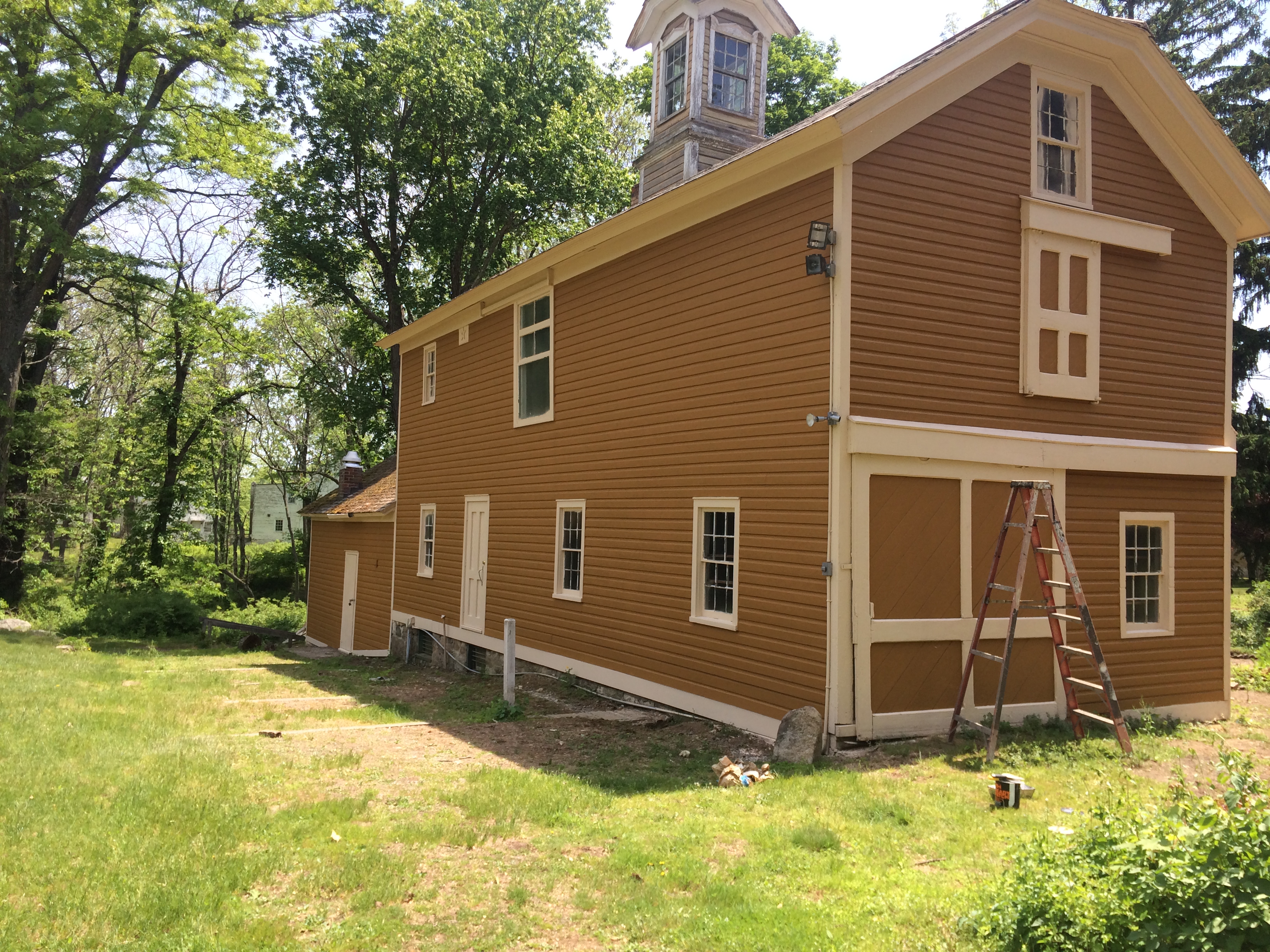
For any type of structure, from a large-scale industrial facility to a private residence, these coatings are an essential part of a comprehensive maintenance plan. This is particularly true for specialized projects, such as historic restoration painting, where preserving the original materials is paramount.

Choosing the Right Type of Waterproof Coating

The effectiveness of a waterproof barrier depends on selecting the appropriate material for the job. Different coatings have unique properties suited for specific applications and substrates.

Elastomeric Coatings

These acrylic-based coatings are highly flexible, allowing them to stretch and move with a building as it expands and contracts with temperature changes. This elasticity makes them excellent at bridging small cracks and providing a long-lasting, seamless membrane on exterior walls. They are a popular choice for both commercial painting contractors and residential projects.

Cementitious Coatings

As the name suggests, these coatings are cement-based and are commonly used for waterproofing foundations, basements, and water treatment facilities. They are easy to apply and provide excellent adhesion to concrete and masonry surfaces, creating a hard, durable, and waterproof finish.

Polyurethane Coatings

Polyurethane provides a highly durable and abrasion-resistant waterproof membrane. It’s often used for high-traffic areas like parking decks, balconies, and rooftops. Its chemical resistance also makes it a strong choice for industrial facilities where exposure to various substances is a concern.

Did You Know?

A single crack just 1/16 of an inch wide in a concrete foundation can allow over 200 gallons of water to pass through per day during a heavy rainstorm.

The National Flood Insurance Program reports that just one inch of water can cause up to $25,000 in damage to a home. Proactive waterproofing is far more cost-effective than reactive repairs.

Proper surface preparation is responsible for over 80% of a coating’s success. Techniques like professional sandblasting remove contaminants and create the ideal profile for a strong, lasting bond.

The Professional Application Process: More Than Just a Coat of Paint

Achieving a truly waterproof seal is a meticulous process that requires expertise and precision. It’s not a simple DIY project. Here’s what a professional approach involves:

1. Thorough Inspection and Diagnosis

A professional painting contractor will first assess the property to identify existing moisture issues, locate potential points of water entry, and determine the condition of the substrate. This step is crucial for developing an effective waterproofing strategy.

2. Comprehensive Surface Preparation

The surface must be completely clean, dry, and free of any loose paint, dirt, grease, or efflorescence. This may involve power washing, grinding, or sandblasting to ensure the coating can adhere properly. Any existing cracks or joints must be repaired and sealed.

3. Expert Application

Applying the coating requires specific techniques to achieve the correct thickness and a seamless finish. Professionals use specialized equipment to ensure even coverage across the entire surface, including difficult-to-reach areas, paying close attention to corners and joints where leaks are most common.

4. Curing and Final Inspection

The coating must be allowed to cure properly according to the manufacturer’s specifications. A final inspection ensures the membrane is flawless and ready to protect the property. This level of detail is standard for both our residential painting and large-scale commercial projects.

The New Jersey Advantage: Why Local Expertise Matters

Here in Tinton Falls and across New Jersey, properties face a unique set of environmental challenges. The humid summers can promote mildew growth on exterior surfaces, while winter brings the destructive force of freeze-thaw cycles. Proximity to the coast also means salt-laden air, which can accelerate the deterioration of building materials.

A local contractor understands these specific conditions. At Spectra Painting, we have provided expert waterproof coatings in New Jersey since 1989. We know which products stand up to nor’easters and which application techniques are best for protecting historic brick from moisture damage. Our deep experience in the region ensures we can recommend and apply the most effective waterproofing solutions to protect your property from our state’s specific climate conditions.

Ready to Protect Your Property?

Don’t wait for water damage to become a costly problem. Secure your commercial or residential property with a professional-grade waterproof coating. Contact the experts at Spectra Painting today for a comprehensive consultation and a free, no-obligation quote.

Get Your Free Quote

Frequently Asked Questions

How long do waterproof coatings last?

The lifespan of a waterproof coating depends on the type of coating used, the quality of the application, and the environmental conditions it’s exposed to. A professionally applied, high-quality coating can last anywhere from 10 to 20 years or more with proper maintenance.

Can you apply waterproof coatings over existing paint?

It depends on the condition of the existing paint. If the paint is peeling, blistering, or flaking, it must be completely removed to ensure the new coating can bond directly to the substrate. If the existing paint is in good condition, a professional will determine if it’s a suitable and compatible base for the waterproof coating.

Are waterproof coatings breathable?

Many modern waterproof coatings are designed to be “breathable.” This means they prevent liquid water from penetrating from the outside, but they allow water vapor from within the walls to escape. This is a critical feature that helps prevent moisture from getting trapped inside the wall system, which could lead to rot and mold.

Is waterproofing only for basements and foundations?

No. While basements and foundations are common areas for waterproofing, coatings are essential for many other parts of a building. This includes exterior walls (especially masonry and concrete), roofs, balconies, decks, and any area exposed to significant rainfall or moisture.


Preserving New Jersey’s Past: A Guide to Historic Building Painting

A Legacy in Every Layer: Why Specialized Painting Matters

New Jersey’s landscape is a rich tapestry of American history, showcased in its diverse and beautiful architecture. From the Colonial and Georgian homes that dot our communities to stately Victorian manors and early industrial buildings, each structure tells a story. For property managers, developers, and homeowners entrusted with these treasures, maintenance is more than a task—it’s an act of preservation. Historic painting is a specialized discipline that requires a delicate balance of artistry, science, and a deep respect for the past. It’s about more than applying a new coat of paint; it’s about protecting an irreplaceable piece of New Jersey’s heritage for generations to come.

Unlike a standard residential or commercial project, historic restoration painting demands a contractor who understands the unique challenges these properties present. Using the wrong materials or techniques can lead to irreversible damage, trapping moisture, obscuring intricate details, or compromising the very fabric of the building. A true specialist invests in research, material analysis, and authentic methods to ensure the final result is not just beautiful, but also historically accurate and structurally sound.

The Meticulous Process of Authentic Restoration

Achieving a successful historic restoration is a systematic process. It’s a journey back in time to understand the building’s original character and bring it back to life with care and precision.

1. Thorough Assessment and Historical Research

Before a single brush is lifted, a comprehensive evaluation is crucial. This involves inspecting the building for structural issues, water damage, and failing paint. A key part of this stage is often historical paint analysis, where small samples are examined under a microscope to uncover the original color layers. This scientific approach removes guesswork and ensures the chosen color palette is authentic to the building’s specific era.

2. Surface Preparation: The Foundation of Durability

Proper surface preparation is the most critical step for a lasting finish. On historic buildings, this can be complex. Challenges often include the safe removal of lead-based paint, which requires EPA Lead-Safe certified professionals. Methods may include gentle hand scraping and sanding, as aggressive techniques like power washing can damage aged wood and masonry. Any necessary repairs to wood, plaster, or metalwork must be completed using period-appropriate materials and techniques before any primer is applied. Using a professional commercial painting contractor with experience in these methods is vital.

3. Choosing Historically Accurate Materials

Modern paints are not always suitable for historic structures. Older buildings were designed to “breathe,” and using impermeable coatings can trap moisture, leading to peeling, blistering, and decay. Professional restoration painters select breathable, high-quality paints and primers that are compatible with historic materials like lime-based plaster, old-growth wood, and hand-forged metal. Major paint manufacturers offer curated historic color lines to help match palettes authentic to specific architectural periods, from the earthy tones of the Colonial era to the richer, more complex schemes of the Victorian age.

Navigating the Challenges of Historic Projects

Painting a historic building involves more than just aesthetics. Property owners and contractors must navigate a unique set of challenges to ensure a successful and compliant restoration.

Challenge Best Practice & Solution
Lead Paint Abatement Homes built before 1978 likely contain lead paint. Safe removal and disposal must be handled by an EPA Lead-Safe Certified firm to protect workers, occupants, and the environment.
Material Degradation Aged wood, crumbling plaster, and rusted metal require specialized repair. This can involve careful patching, consolidation of delicate materials, or sourcing historically accurate replacements. Sometimes, services like sandblasting are needed for metal restoration.
Regulatory Compliance Properties in historic districts or on the New Jersey Register of Historic Places are often subject to strict guidelines. It is essential to work with local historic preservation commissions to get approvals for colors and materials before work begins.
Hidden Moisture Issues Old buildings often have underlying moisture problems from failing gutters, poor drainage, or degrading masonry. These issues must be identified and corrected to prevent premature paint failure.

Did You Know?

  • New Jersey is home to a wide range of architectural styles, including Dutch Colonial, Georgian, Italianate, and Greek Revival, each with its own distinct color palette and design features.
  • The New Jersey Register of Historic Places Act of 1970 helps protect the state’s significant buildings and landmarks.
  • Historically, paint colors were made from natural pigments like earth ochres for yellows and reds, and minerals for blues and greens, influencing regional color schemes.

Historic Restoration Expertise in Tinton Falls and Across New Jersey

From the historic districts of Tinton Falls to the landmark properties across the state, preserving our local architectural character is a shared responsibility. Choosing a painting contractor with deep roots in New Jersey and a proven track record in historic restoration is essential. For over three decades, Spectra Painting has been dedicated to this specialized work. We understand the local regulations and have partnered with conservators and property owners to deliver authentic, lasting results on everything from private residences to significant public buildings.

Preserve Your Property’s Legacy

Whether your project involves detailed interior restoration or a complete exterior repaint, trust the experts with the experience to honor its history. Contact Spectra Painting for a consultation on your historic painting project.

Get Your Free Quote Today

Frequently Asked Questions

How do you determine the original color of a historic building?

The most accurate method is through scientific paint analysis, where samples of existing paint layers are studied to reveal the original colors. We also consult historical photographs, architectural plans, and local preservation guidelines to ensure the most authentic color palette is used.

Is lead paint removal always necessary?

If lead-based paint is present and is peeling, chipping, or will be disturbed during preparation, it must be addressed safely by a certified contractor. In some cases, encapsulation (sealing the paint with a special coating) is an option, but removal is often the most permanent solution for surfaces that need extensive repair.

What makes paint for historic buildings different from modern paint?

The key difference is breathability. Historic buildings were often built with materials like solid wood, brick, and lime mortar that need to allow moisture vapor to pass through. Modern acrylic and latex paints can trap this moisture, causing peeling and rot. We use specialized, breathable paint systems designed to work with historic substrates.

Do I need a special permit for painting a historic property in New Jersey?

If your property is located within a locally designated historic district or is on the state or national register, you will likely need approval from the local Historic Preservation Commission for any exterior work, including paint color changes. We can help guide you through this process to ensure full compliance.

What to Look For in a Professional Painting Contractor in New Jersey

Your Guide to Hiring the Right Team for a Flawless Finish

Choosing a painting contractor is a significant decision for any property owner or manager. The right team doesn’t just apply a coat of paint; they protect your investment, enhance your property’s value, and deliver a lasting, high-quality finish. For commercial developers, property managers, and discerning homeowners in New Jersey, selecting a truly professional painting contractor means looking beyond a simple quote. It involves evaluating experience, expertise, and a commitment to excellence. This guide will walk you through the essential qualities to seek in a painting partner to ensure your project is a complete success.

The Difference Professionalism Makes

Anyone can pick up a brush, but a professional painting contractor brings a level of skill and efficiency that sets them apart. They understand that a superior paint job starts long before the first can is opened. It begins with meticulous surface preparation, a deep knowledge of materials, and a systematic approach to project management. From protecting your assets with thorough covering and taping to executing flawless coats of paint, professionals ensure every detail is handled with precision. This dedication not only results in a beautiful aesthetic but also in a durable finish that withstands the test of time, saving you money on future maintenance and repairs.

Furthermore, a seasoned contractor operates with a focus on safety and compliance. They carry the necessary insurance and licenses, adhere to industry best practices, and, for older properties, are often certified in lead-safe work practices. This protects you from liability and gives you peace of mind knowing your project is in capable and responsible hands.

Key Qualities of a Top-Tier Painting Contractor

Comprehensive Service Offerings

A truly versatile contractor can handle a wide range of needs. Look for a company with proven experience across different sectors. Whether you need an expert team for a large-scale commercial painting project, detailed interior painting services for your home, or specialized skills for industrial applications, a contractor with a broad portfolio demonstrates adaptability and deep industry knowledge.

Specialized Technical Expertise

Modern painting involves more than just latex and oil. Advanced techniques are required for specific materials and environments. Services like electrostatic painting for metal surfaces or industrial sandblasting for surface preparation are hallmarks of a highly skilled contractor. These methods provide factory-like finishes and superior adhesion, crucial for longevity in commercial and industrial settings.

Proven Track Record and Experience

Experience is not just about the number of years in business, but the diversity and complexity of projects handled. A contractor with a long history, like serving New Jersey since 1989, demonstrates stability and a legacy of satisfied clients. Ask for a portfolio or a client list to see their work firsthand. Experience in unique areas, such as historic restoration painting, indicates a meticulous approach and respect for architectural integrity.

Clear Communication and Professionalism

From the initial consultation to the final walkthrough, a professional contractor communicates clearly and transparently. They should provide a detailed, written estimate outlining the scope of work, materials to be used, timeline, and cost. Professionalism extends to their team’s conduct on-site—punctuality, cleanliness, and respect for your property are non-negotiable.

Did You Know?

The first known cave paintings were created around 40,000 years ago. The “paint” used was made from natural pigments like red and yellow ochre, hematite, and charcoal, mixed with binders like animal fat or saliva. Today’s advanced coatings, like fire-retardant and waterproof paints, are the result of millennia of innovation designed to protect and beautify our modern structures.

Choosing a Painter in the Tinton Falls, New Jersey Area

New Jersey’s climate, with its humid summers, freezing winters, and coastal salt air, presents unique challenges for paint and surface coatings. A local, professional painting contractor from the Tinton Falls area will have indispensable knowledge of which products and preparation techniques work best for our specific environment. They understand the importance of proper sealing and using mildew-resistant primers to combat moisture, and they know which exterior paints can withstand freeze-thaw cycles without cracking or peeling. This local expertise ensures your paint job not only looks great upon completion but remains durable against the harsh weather conditions unique to the Garden State.

How to Vet Your Painting Contractor: A 5-Step Guide

1. Check for Licensing and Insurance

Always verify that the contractor holds a valid New Jersey Home Improvement Contractor license and carries both liability insurance and workers’ compensation. This is your primary protection against accidents or property damage.

2. Request Detailed, Written Estimates

Do not accept a verbal quote. A professional estimate will be a detailed document that specifies the areas to be painted, the exact type and brand of paint to be used (including primer and finish coats), the preparation work involved, and a clear payment schedule.

3. Review Their Past Work and References

Ask for references from recent projects similar to yours. A confident contractor will be happy to share them. Look at online galleries and reviews to gauge the quality and consistency of their work. A robust gallery can speak volumes.

4. Understand Their Process

Inquire about their process. How will they protect your furniture and floors? What is their daily cleanup routine? How many painters will be assigned to your project, and what is the estimated timeline? Understanding their workflow helps set clear expectations.

5. Discuss the Products and Materials

A professional painter knows that the quality of the paint is just as important as the quality of the labor. They should be able to explain why they recommend certain products for your specific needs, whether it’s a high-traffic area requiring durable paint or an exterior surface needing weather-resistant coatings.

Ready for a Flawless Finish?

Don’t leave your property’s appearance to chance. For over three decades, Spectra Painting has been the trusted professional painting contractor for commercial, industrial, and residential projects across New Jersey. Our commitment to quality, precision, and customer satisfaction ensures exceptional results every time.

Get Your Free Quote Today

Frequently Asked Questions

How long will my painting project take?

The timeline for a painting project depends on its size and complexity. A single room may take a day or two, while a full exterior repaint or a large commercial project can take a week or more. A professional contractor will provide a detailed timeline with their estimate.

Do I need to move furniture and prepare the rooms myself?

Most professional painting contractors include moving heavy furniture to the center of the room and covering it with plastic in their services. However, it’s always best to clarify this beforehand. You will typically be asked to remove small, fragile, or personal items from the area.

What kind of paint do you use?

A reputable contractor will use high-quality paints from trusted brands. They will recommend the best type of paint (e.g., latex, oil-based, acrylic) and finish (e.g., matte, satin, semi-gloss) based on the surface, location (interior/exterior), and desired durability.

Is surface preparation really that important?

Absolutely. Surface preparation is the most critical step for a long-lasting paint job. This includes cleaning, sanding, scraping old paint, patching holes, and priming. Skipping these steps can lead to peeling, blistering, and a significantly shorter lifespan for your new paint.