
The Ultimate Guide to Sandblasting and Painting for Lasting Protection

How Proper Surface Preparation Guarantees a Flawless, Durable Finish

Failing paint, rust, and surface contamination can compromise the integrity and appearance of your property. For commercial, industrial, and even residential structures, achieving a long-lasting finish requires more than just a new coat of paint. The secret lies in meticulous surface preparation—a process where sandblasting and painting work together to deliver superior protection and a pristine look. This comprehensive approach ensures that coatings adhere properly and withstand the harsh New Jersey elements for years to come.

What is Sandblasting and Why is it Essential?

Often referred to as abrasive blasting, sandblasting is a powerful surface preparation technique that uses compressed air to propel abrasive media at a high velocity against a surface. This process effectively strips away old paint, rust, scale, and other tough contaminants that conventional cleaning methods can’t remove. It’s not just about cleaning; sandblasting creates a unique “surface profile,” a finely textured finish that is crucial for optimal paint adhesion.

Think of it like using sandpaper on wood before staining. The abrasive action creates microscopic peaks and valleys on the surface, increasing the total surface area and providing an ideal anchor for primers and paints to grip onto. Without a proper surface profile, even the highest quality coatings are prone to premature failure, leading to chipping, peeling, and bubbling. For property managers and homeowners in Tinton Falls, ensuring this step is done professionally is the key to protecting your investment.

The Critical Role of Painting After Sandblasting

Once a surface is professionally sandblasted, it is perfectly prepared but also vulnerable. The freshly exposed material, especially metal, is susceptible to flash rusting when exposed to moisture and air. Applying a high-performance coating immediately after blasting is not just recommended—it’s essential for long-term protection. This two-step process of sandblasting and painting creates a formidable barrier against corrosion, chemicals, and environmental wear.

The type of coating used depends on the surface and its intended use. For industrial and commercial applications, heavy-duty epoxy primers and polyurethane topcoats are often the go-to choices for their incredible durability and resistance to abrasion. For residential projects or delicate historic restoration work, the coating system is carefully selected to preserve the substrate while offering robust protection. This synergy between a perfectly prepared surface and a high-quality coating system is what makes professional sandblasting and painting the gold standard for surface finishing.

Did You Know?

  • The term “sandblasting” is still widely used, but today’s professionals use a variety of media—not just sand. Materials like glass beads, steel grit, and even walnut shells are chosen based on the surface material and the desired finish.
  • Proper surface preparation is considered the most critical factor in the success of a coating system. It’s estimated that the majority of coating failures are due to inadequate surface prep.
  • For historic structures, sandblasting with a gentle abrasive at low pressure can carefully remove layers of dirt and failing paint without damaging delicate brickwork or carvings.
  • After blasting, a surface should be painted as quickly as possible, often within hours, to prevent flash rust—a light, rapid oxidation of the newly exposed metal.

Choosing the Right Abrasive Media

The effectiveness of sandblasting depends heavily on the type of abrasive media used. Different materials require different approaches to avoid damage while achieving the perfect surface profile. Here is a look at some common options:

Abrasive Media Best For Key Characteristics
Steel Grit Structural steel, heavy rust and paint removal. Aggressive, fast-cutting, and creates a deep angular profile.
Glass Beads Cleaning, deburring, and creating a smooth, satin finish. Often used on softer metals. Less aggressive, recyclable, and leaves a bright finish.
Aluminum Oxide Heavy-duty blasting, etching, and preparing surfaces for tough coatings. Very hard and sharp, reusable, and great for removing stubborn coatings.
Walnut Shells Delicate surfaces like wood, fiberglass, and cleaning engine parts. Soft, biodegradable, and won’t damage the underlying substrate.

Local Expertise for Tinton Falls, NJ Properties

In New Jersey, our structures face a unique combination of challenges—from humid summers that accelerate corrosion to cold, icy winters that can degrade coatings. For businesses and homeowners in Tinton Falls and across the state, investing in a robust surface protection strategy is not a luxury, it’s a necessity. Professional commercial painting and sandblasting services provide the durability needed to protect assets like steel structures, warehouses, and historic buildings from the elements.

Since 1989, Spectra Painting has delivered high-quality industrial, commercial, and residential painting services built on a foundation of expert surface preparation. We understand the specific needs of properties in our region and are equipped to handle projects of any scale, ensuring a finish that is not only beautiful but built to last.

Ready to Protect and Beautify Your Property?

Don’t let rust, corrosion, or failing coatings diminish the value and safety of your investment. Discover the difference that professional sandblasting and painting can make. Contact the experts at Spectra Painting for a comprehensive consultation and a free quote.

Get Your Free Quote Today

Frequently Asked Questions

Is sandblasting safe for all surfaces?

While extremely effective, sandblasting requires professional expertise to prevent damage. A skilled technician will select the appropriate abrasive media and pressure for the specific material, whether it’s robust steel or delicate historic brick. Gentler media like walnut shells or plastic can be used for softer surfaces.

How long does the sandblasting and painting process take?

The timeline depends on the project’s size, complexity, and 현nvironmental conditions. Sandblasting itself is relatively fast. The crucial factor is applying the prime coat immediately after blasting to prevent contamination or flash rusting. Our team at Spectra Painting works efficiently to minimize downtime for commercial and industrial clients.

Can sandblasting remove heavy rust and corrosion?

Absolutely. Sandblasting is one of the most effective methods for completely removing even heavy rust and corrosion from metal surfaces. This process not only cleans the surface but prepares it for a new protective coating that will prevent future corrosion.

What kind of paint is used after sandblasting?

Typically, a high-performance industrial coating system is used. This often includes a zinc-rich or epoxy primer to provide excellent corrosion resistance, followed by a durable topcoat like polyurethane for UV stability and color retention. The specific system is tailored to the environment and the surface’s function.

Glossary of Terms

  • Abrasive Media: The granular material propelled against a surface during sandblasting. Examples include steel grit, glass beads, and aluminum oxide.
  • Surface Profile: The measure of a surface’s peak-to-valley roughness created by abrasive blasting, which is essential for proper coating adhesion.
  • Flash Rust: A light layer of rust that can form on a freshly blasted steel surface within minutes or hours of exposure to humidity. Immediate priming is necessary to prevent it.
  • Epoxy Coating: A durable, two-part coating system known for its excellent adhesion, chemical resistance, and toughness, often used as a primer on blasted steel.
  • Substrate: The underlying material or surface that is being prepared and coated.

The Power of Prep: Why Sandblasting and Painting is the Gold Standard for Durability

Achieving a Flawless Finish That Lasts

A pristine coat of paint can transform any surface, from a commercial building’s facade to industrial machinery. But the secret to a long-lasting, high-quality finish isn’t just in the final coat; it’s in the meticulous preparation that comes before. For steel, iron, and other tough surfaces, the combination of professional sandblasting and painting offers an unparalleled solution. This powerful process removes contaminants and creates the perfect canvas for coatings to adhere to, ensuring maximum protection and aesthetic appeal for years to come. In New Jersey, where properties face everything from humid summers to harsh winters, starting your painting project with the right foundation is not just an option—it’s a necessity.

Whether you’re looking to revitalize an industrial facility, protect structural steel, or restore a historic property, understanding the synergy between sandblasting and painting is key. It’s about more than just cleaning a surface; it’s a technical process that guarantees durability against corrosion, wear, and the elements.

What Exactly is Sandblasting?

Often referred to as abrasive blasting, sandblasting is a highly effective surface preparation technique. It involves propelling a stream of abrasive material at high velocity against a surface to achieve several key objectives:

  • Cleaning: It strips away old paint, rust, scale, and other surface contaminants that can compromise the integrity of a new coating.
  • Smoothing: It can smooth a rough surface or, conversely, roughen a smooth surface to create an ideal texture.
  • Profiling: Most importantly for painting, sandblasting creates a surface “profile” or “anchor pattern.” This series of microscopic peaks and valleys on the substrate gives the new paint or coating a textured surface to grip, leading to superior adhesion.

At Spectra Painting, we utilize mobile sandblasting services to prepare steel and other materials, ensuring that all foreign matter is removed and the surface is perfectly profiled for optimal paint adhesion. This foundational step is critical for both our commercial painting contractors and our residential projects.

The Unbeatable Benefits of Combining Sandblasting and Painting

Investing in professional sandblasting before painting isn’t just an extra step; it’s a strategic decision that delivers significant long-term value. Here are the primary advantages:

1. Superior Adhesion and Longevity

As mentioned, the anchor profile created by sandblasting is the single most important factor for coating adhesion. Without it, even the most expensive, high-performance paint can peel, chip, or fail prematurely. By creating a properly prepared surface, you ensure the coating bonds securely, extending its lifespan dramatically and reducing the need for frequent repaints.

2. Enhanced Corrosion Protection

For metal surfaces, rust is a relentless enemy. Sandblasting completely removes existing corrosion and any underlying moisture or contaminants that could cause future rust to form. When followed immediately by a high-quality industrial coating, this process creates a formidable barrier against moisture and oxygen, effectively stopping corrosion in its tracks.

3. A Smoother, More Professional Finish

Painting over uneven surfaces with bumps from old paint, mill scale, or rust will result in a flawed, unprofessional finish. Sandblasting provides a clean, uniform substrate, which allows the new paint to be applied evenly. The result is a smooth, visually appealing finish that looks truly professional, whether on industrial equipment or an exterior repaint service for your home.

4. Efficiency and Cost-Effectiveness

While it represents an upfront investment, professional sandblasting is highly efficient, especially for large-scale projects. It prepares vast surface areas far more quickly and effectively than manual methods like scraping or wire brushing. This speed can reduce labor costs and project downtime. The long-term durability it provides means fewer costly repairs and repaints down the line, delivering an excellent return on investment.

Applications: Where is Sandblasting and Painting Most Effective?

This powerful combination is versatile and is the preferred method for numerous applications across various sectors in New Jersey:

  • Industrial Facilities: Structural steel, tanks, pipelines, machinery, and equipment.
  • Commercial Properties: Metal railings, staircases, fences, building exteriors, and structural components.
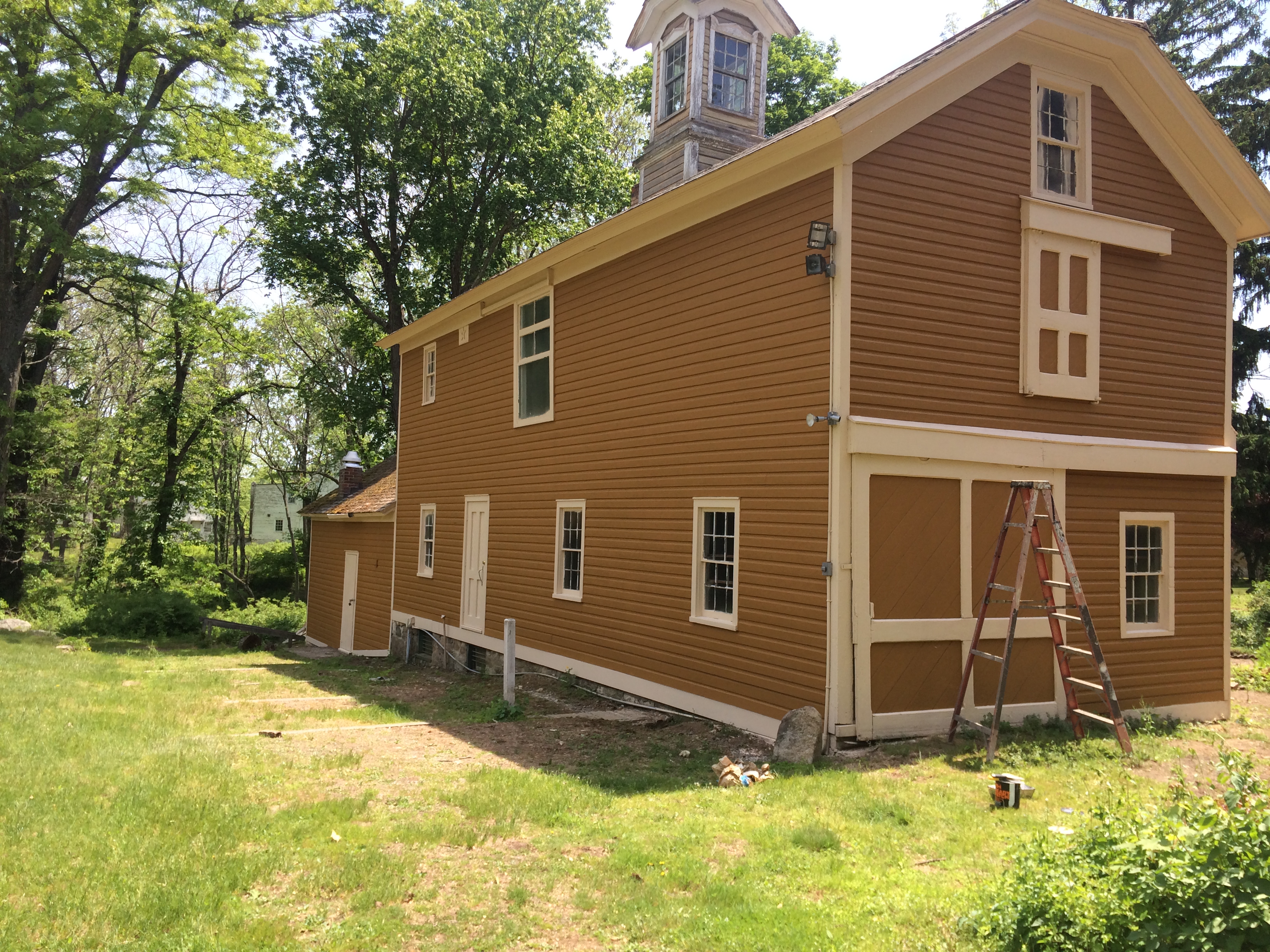
  • Historic Restoration: Carefully restoring cast iron, steel fixtures, and other metalwork is a delicate process where controlled abrasive blasting is essential. Our experience in historic restoration painting often relies on this preparatory step.
  • Specialty Projects: For items requiring a factory-new finish, such as lockers, file cabinets, or machinery, combining sandblasting with electrostatic painting services provides a durable and flawless result with minimal overspray.

Choosing the Right Sandblasting and Painting Contractor in New Jersey

When it comes to abrasive blasting, experience and safety are paramount. The process requires technical skill, proper equipment, and a deep understanding of different abrasive media and surface types. An inexperienced operator can damage the substrate or create an improper profile, negating the benefits.

Here in Tinton Falls and across New Jersey, Spectra Painting has been a trusted professional painting contractor since 1989. Our teams are highly trained in sandblasting protocols and safety measures. We understand the specific environmental challenges our state presents and select the appropriate blasting media and coating systems to withstand them. We handle every aspect of the job, from containment and preparation to the final application, ensuring a safe, clean, and efficient process that protects your property and delivers lasting results.

Ready to Protect Your Investment with a Flawless Finish?

Don’t let rust, corrosion, or peeling paint devalue your property. Trust the experts at Spectra Painting for professional sandblasting and painting services in New Jersey. Let’s discuss your project today.

Get Your Free Quote

Frequently Asked Questions (FAQ)

Is sandblasting safe for all surfaces?

While highly effective, sandblasting is an aggressive technique best suited for hard substrates like steel, iron, concrete, and some types of masonry. It is generally not recommended for softer materials like wood, plastic, or fiberglass, as it can cause damage. An expert contractor will assess the surface and choose the appropriate pressure and abrasive media, or recommend an alternative preparation method if necessary.

What kind of abrasive materials are used?

The term “sandblasting” is a bit of a misnomer, as silica sand is now rarely used due to health concerns. Modern abrasive blasting uses a variety of media depending on the job, including crushed glass, steel grit, aluminum oxide, garnet, and even biodegradable materials like walnut shells or corn cobs for more delicate tasks.

How long does the sandblasting and painting process take?

The project timeline depends on the size and complexity of the area, the condition of the existing surface, and environmental factors like weather. However, mobile sandblasting is a very efficient process. A professional team will provide a clear timeline after assessing the project scope. The painting must be done shortly after blasting to prevent flash rust from forming on the newly exposed metal.

Is the process messy?

Abrasive blasting does create dust and debris. However, a professional contractor like Spectra Painting uses containment systems (such as tarps and enclosures) and dust collection equipment to control the mess, protect surrounding areas, and ensure compliance with environmental regulations. Our goal is to leave the worksite as clean as we found it.