
More Than a Fresh Coat: The Art of Restoring History
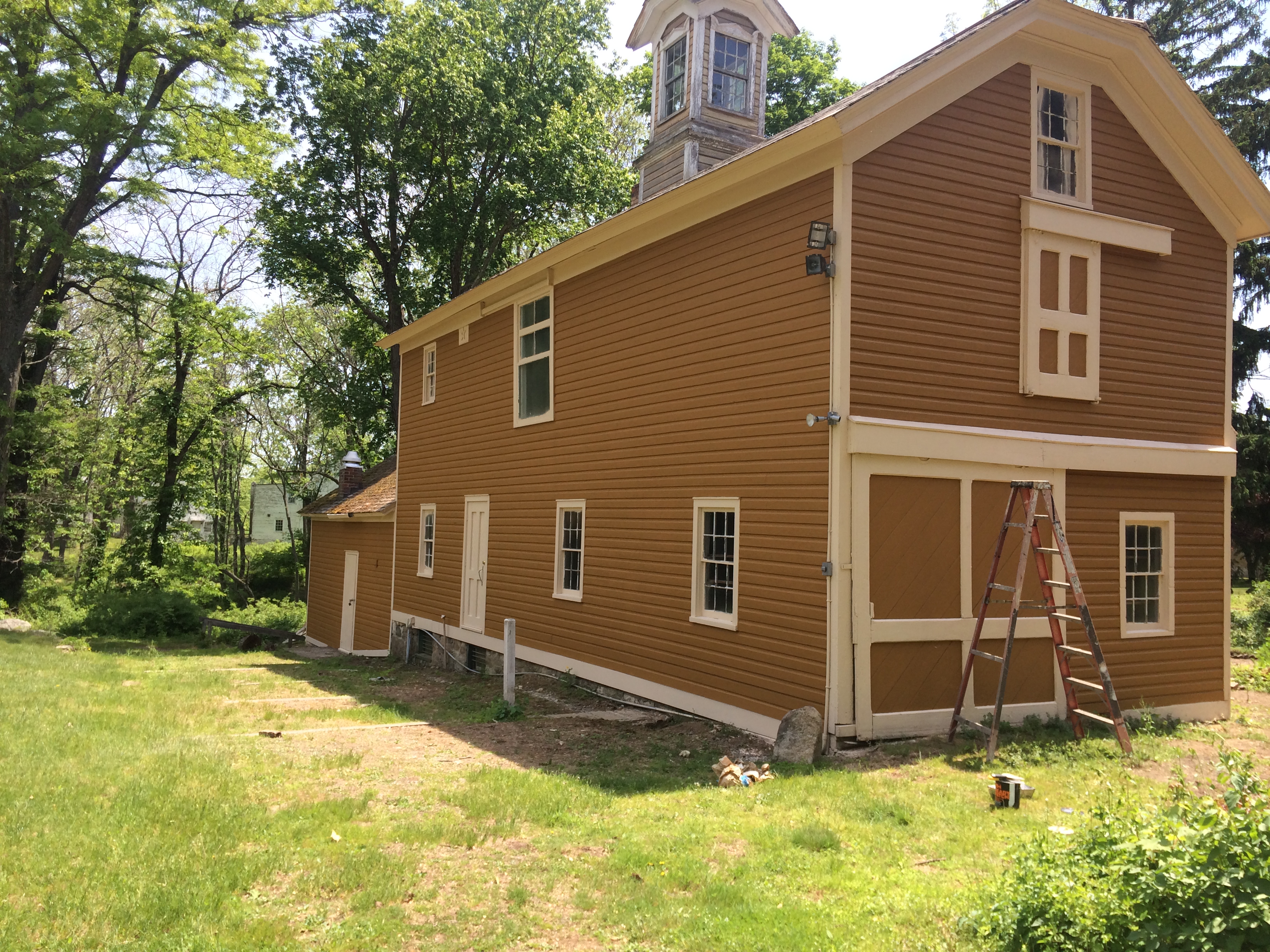
New Jersey is a state steeped in history, its landscape dotted with architectural treasures that tell the story of bygone eras. From stately Colonial homes in Red Bank to grand Victorian mansions and landmark commercial buildings, these structures are more than just properties; they are a tangible link to our past. Preserving them requires a specialized approach, especially when it comes to painting. Historic painting is not merely about aesthetics; it is a critical practice of conservation, demanding meticulous attention to detail, a deep understanding of period materials, and a respect for the building’s original character.
A successful historic restoration painting project protects the structure from the elements, maintains its architectural integrity, and ensures its legacy for future generations. It requires a delicate balance of traditional craftsmanship and modern technology to achieve a result that is both authentic and durable.
The Unique Challenges of Painting Historic New Jersey Properties
Painting a historic building presents obstacles not found in standard residential or commercial painting projects. These challenges require specialized knowledge and skill to overcome without compromising the building’s integrity.
Regulatory Compliance
Many historic properties in New Jersey are protected by local, state, or even national regulations. The New Jersey Historic Preservation Office sets guidelines to ensure that any work performed is historically appropriate. Navigating these rules, from color palette approvals to material restrictions, is a critical first step. An experienced historic painting contractor understands these legal frameworks and can ensure your project proceeds smoothly.
Material Deterioration & Hazardous Substances
Centuries-old materials require careful handling. Wood may be rotted, plaster can be brittle, and masonry may have moisture damage. Furthermore, buildings constructed before 1978 are likely to contain lead-based paint, which poses significant health risks if disturbed improperly. Professional painters must be certified in lead-safe practices to handle removal and containment safely.
Achieving Historical Accuracy
Selecting the right colors and finishes is paramount to an authentic restoration. This often involves detailed research, including paint analysis to uncover the original layers of paint (a process called chromochronology). The goal is to replicate the original palette and type of finish, whether it’s a flat, mineral-based paint for a colonial home or a richer, multi-color scheme for a Victorian property.
The Professional Process for Historic Restoration Painting
A high-quality historic painting job follows a disciplined, multi-stage process to ensure lasting beauty and protection.
-
1. In-Depth Assessment and Research
The project begins with a thorough inspection of the building’s substrate and existing paint layers. This includes identifying areas of damage, moisture intrusion, and material decay. Research into the building’s history helps inform decisions about the appropriate period colors and techniques.
-
2. Meticulous Surface Preparation
This is the most critical phase. Preparation may involve gentle hand-scraping, chemical stripping, or specialized methods like sandblasting for certain durable surfaces. All loose or failing paint is removed, surfaces are cleaned of residue and mildew, and necessary repairs to wood or plaster are made. Bare wood is primed to protect against moisture.
-
3. Thoughtful Material Selection
Choosing the right products is key to longevity. This includes high-quality primers that are compatible with historic materials and topcoats that are breathable to prevent moisture trapping, a common cause of paint failure on old buildings. Many leading paint manufacturers offer dedicated historic color collections to ensure authenticity.
-
4. Precise and Skillful Application
The application itself is an art. Professional painters use techniques appropriate for the building’s character, ensuring clean lines, uniform coverage, and careful attention to intricate details like trim, cornices, and window sashes. The goal is a finish that looks authentic, not like a modern, factory-sprayed coating.
DIY vs. Professional Historic Painting
While the DIY spirit is admirable, historic restoration is one area where professional expertise is invaluable. The risks associated with improper handling of historic materials and non-compliance with regulations can be costly.
| Aspect | DIY Approach | Professional Contractor (like Spectra Painting) |
|---|---|---|
| Knowledge & Expertise | Limited to online research; risk of using incorrect materials or techniques. | Decades of experience with historic structures, material science, and period-appropriate methods. |
| Safety & Regulations | Risk of exposure to lead paint; potential for fines due to non-compliance with historic district rules. | Lead-safe certified; fully insured; knowledgeable about local and state preservation laws. |
| Equipment & Preparation | Basic tools; may overlook critical preparation steps, leading to paint failure. | Specialized equipment for surface prep, repairs, and flawless application. Access to advanced services like sandblasting. |
| Longevity & Outcome | Prone to peeling, cracking, and moisture damage within a few years. | A durable, authentic, and beautiful finish that protects the property for many years to come. |
Did You Know?
- The New Jersey Register of Historic Places was established in 1970 to protect the state’s significant cultural resources.
- Not all historic preservation commissions in New Jersey regulate paint color, but it’s a common guideline in designated historic districts to maintain aesthetic consistency.
- Using “breathable” paints on historic masonry is crucial. Modern impermeable paints can trap moisture inside old brick or stone, causing it to degrade from the inside out.
A Local Focus: Preserving the Charm of Red Bank, NJ
Communities like Red Bank, New Jersey, are celebrated for their vibrant downtowns and beautiful historic neighborhoods. The architectural character of these areas is a major part of their appeal and economic vitality. From classic storefronts on Broad Street to the elegant homes in surrounding areas, proper maintenance is key to preserving this charm. Engaging a local professional painting contractor who understands the specific environmental factors and architectural styles of Monmouth County ensures that your historic property contributes positively to the community’s unique identity.
Ready to Restore Your Property’s Historic Beauty?
Your historic property deserves the care and expertise of a specialist. At Spectra Painting, we have proudly served New Jersey since 1989, combining decades of experience with a passion for preservation. We handle every aspect of your historic painting project with the precision it requires.
Frequently Asked Questions (FAQ)
How do I know if my house requires special historic treatment?
If your home was built before 1950, or if it is located within a designated historic district, it likely requires special consideration. Key indicators include original wood siding, sash windows, intricate trim, or masonry construction. Consulting with a professional can provide a definitive answer.
What is the biggest mistake homeowners make when painting a historic house?
The most common and damaging mistake is improper surface preparation. Painting over failing paint, dirt, or moisture-damaged wood without addressing the underlying issue will lead to a finish that peels and cracks quickly, wasting time and money and potentially causing further damage to the structure.
How do you choose historically accurate paint colors?
This can be done through several methods. A professional can perform a careful paint analysis (scraping small areas to reveal underlying layers) to find the original color. Additionally, we consult historic color charts from paint manufacturers and work with local historic preservation commissions to ensure the selected palette is appropriate for the building’s age and style.
Is historic restoration painting more expensive than standard painting?
The initial investment can be higher due to the intensive labor required for preparation, the potential for hazardous material abatement, and the use of specialized materials. However, a properly executed historic paint job will last significantly longer and provide better protection for your property, making it a more cost-effective choice in the long run.
Glossary of Terms
- Historic Preservation: The act of preserving and protecting buildings, objects, and landscapes of historical significance.
- Lead Abatement: The process of safely reducing or removing lead hazards, particularly lead-based paint.
- Period Colors: A palette of paint colors that were characteristic of a specific architectural era (e.g., Colonial, Victorian, Arts & Crafts).
- Substrate: The underlying material or surface on which paint or another finish is applied (e.g., wood, plaster, brick).
- Chromochronology: The scientific analysis of paint layers to determine the history of colors used on a building over time.