
Protecting Your Property: A Guide to Waterproof Coatings in New Jersey

Shield Your Investment from New Jersey’s Demanding Climate with the Right Protective Solutions

New Jersey’s weather is anything but predictable. From humid summers and heavy rainfall to freezing winters with snow and ice, properties in our state face a constant battle against the elements. This relentless exposure to moisture can lead to significant problems, including structural damage, mold growth, and decreased property value. For property managers, developers, and homeowners in places like Red Bank, implementing a robust waterproofing strategy is not a luxury—it’s a critical investment in the longevity and safety of your building. Waterproof coatings provide an essential line of defense, creating a barrier that protects your property from the costly consequences of water intrusion.

Whether you’re responsible for a commercial high-rise, an industrial facility, a historic landmark, or your family home, understanding the types of waterproof coatings available is the first step toward effective protection. These specialized applications go far beyond a standard coat of paint, offering durable, flexible, and impermeable shields designed to withstand hydrostatic pressure and extreme temperature fluctuations. Choosing the right coating ensures your structure remains dry, secure, and sound for years to come.

Understanding the Threat: Why Waterproofing is Crucial in NJ

Water damage is one of the most pervasive and expensive issues for property owners. In New Jersey, the risks are amplified by our specific climate. The freeze-thaw cycles in winter can cause cracks in concrete and masonry, creating pathways for water to enter. Summer humidity can lead to condensation and foster mold and mildew growth in damp areas. These issues can compromise the structural integrity of your building, leading to spalling concrete, rotting wood, and corroded metal.

Beyond the structural risks, water intrusion poses significant health and safety hazards. Mold and mildew can trigger allergies and respiratory problems, diminishing the indoor air quality for residents or employees. Furthermore, water damage can devalue a property and lead to costly remediation efforts. Effective commercial painting and waterproofing services are designed to proactively address these threats, safeguarding both the building and its occupants.

Types of Waterproof Coatings for Every Need

Different areas of a building and various substrate materials require specific types of waterproof coatings. A solution that works for a concrete foundation may not be suitable for a steel roof. Here’s a breakdown of some of the most effective types of waterproof coatings used by professionals.

1. Elastomeric Coatings

Elastomeric coatings are a popular choice for exterior walls, stucco, and masonry. As the name suggests, they are highly flexible and elastic, allowing them to stretch and bridge small cracks that may develop in a substrate over time. This “crack-bridging” capability is invaluable in New Jersey’s climate, where temperature fluctuations cause materials to expand and contract. These coatings create a thick, durable, and waterproof membrane that is also breathable, allowing trapped moisture vapor to escape while preventing liquid water from entering.

2. Cementitious Coatings

Cementitious waterproofing is one of the most common and straightforward methods, often used for surfaces like basements, foundations, and water tanks. These coatings consist of a cement-based powder mixed with additives that create a strong, waterproof barrier. They adhere exceptionally well to concrete and masonry, providing both positive and negative-side waterproofing—meaning they can resist water pressure from either side of the wall. They are ideal for preventing dampness and seepage in below-grade structures.

3. Polyurethane Liquid Membranes

For areas that experience foot traffic or vehicle movement, such as balconies, parking decks, and flat roofs, a polyurethane liquid membrane is an excellent choice. This coating is applied as a liquid and cures to form a seamless, rubber-like, and highly durable waterproof layer. Its flexibility and high tensile strength allow it to withstand movement and abrasion without cracking. Because it forms a continuous membrane, there are no seams or joints where water can potentially infiltrate.

Specialized Applications for Unique Challenges

Waterproofing for Historic Restoration

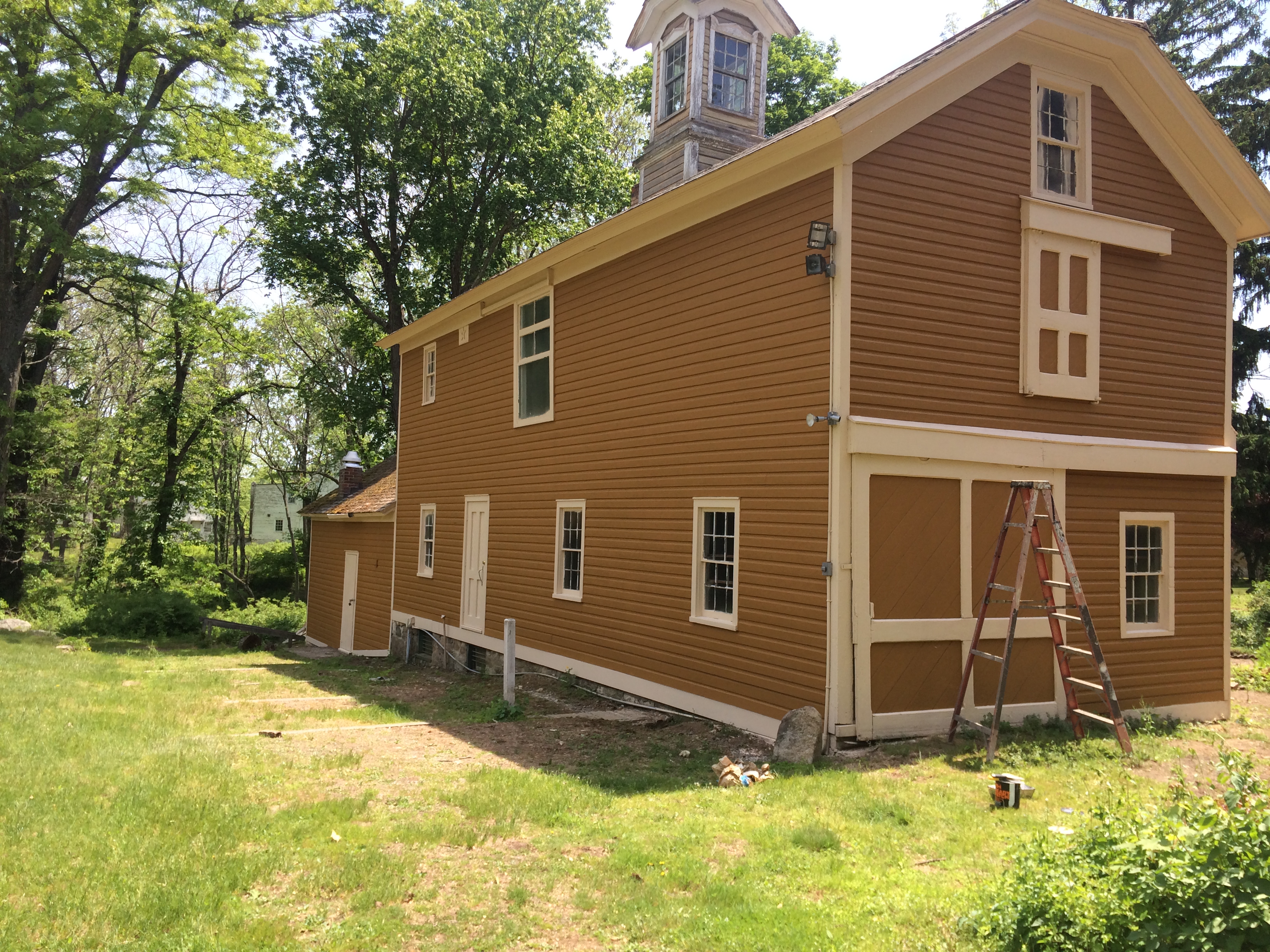
New Jersey is rich with historic properties that require a delicate touch. Waterproofing these structures is essential for their preservation but must be done with materials that respect the original building fabric. Breathable coatings, such as silicate-based or lime-based products, are often required to prevent trapping moisture within historic masonry, which could cause irreparable damage. A specialized contractor with experience in historic restoration painting understands how to protect these treasures without compromising their architectural integrity.

Industrial-Grade Protection with Sandblasting

For industrial settings, surface preparation is just as important as the coating itself. Surfaces like steel tanks, bridges, and equipment often need to be prepared via sandblasting to remove rust, old paint, and contaminants. This process creates an ideal profile for the waterproof coating to adhere to, ensuring maximum longevity and performance. Specialized industrial coatings, such as epoxy or polyurethane systems, are then applied to provide robust protection against water, chemicals, and abrasion.

The Right Solution for Your Red Bank, NJ Property

For residents and business owners in Red Bank, NJ, and surrounding areas, proactive waterproofing is the key to preserving property value and avoiding disruptive repairs. Whether you’re upgrading a commercial facade, protecting a basement in an older home, or ensuring an industrial facility meets safety standards, a professional assessment is crucial. An expert can identify areas of vulnerability and recommend the most effective coating system for your specific needs, considering factors like substrate type, environmental exposure, and building use. From comprehensive residential painting projects to large-scale commercial applications, the right waterproofing adds years of life to your investment.

Protect Your Property Before Water Damage Strikes

Don’t wait for a leak to become a crisis. The experts at Spectra Painting have delivered high-quality waterproofing and coating solutions across New Jersey since 1989.

Get Your Free Quote Today

Frequently Asked Questions (FAQ)

How long do waterproof coatings last?

The lifespan of a waterproof coating depends on the type of material, the quality of the application, and the level of exposure to weather and wear. Generally, professional-grade coatings can last anywhere from 10 to 20 years or more with proper maintenance.

Can you apply waterproof coatings over existing paint?

In most cases, existing paint that is failing (peeling, cracking, or chalking) must be removed before applying a waterproof coating. Proper surface preparation is essential for the new coating to bond effectively and provide a long-lasting barrier. A professional will assess the surface and determine the necessary prep work.

Is waterproofing the same as damp proofing?

No, they are different. Damp proofing is designed to resist moisture from the soil, while waterproofing is designed to prevent both moisture and liquid water (under hydrostatic pressure) from entering a structure. Waterproofing provides a much higher level of protection, which is essential for basements and foundations, especially in areas with a high water table or poor drainage.

Are waterproof coatings environmentally friendly?

Many modern waterproof coatings are available in low-VOC (Volatile Organic Compounds) and water-based formulations. These options are more environmentally friendly and have less odor, making them safer for application in and around occupied spaces.


How to Choose the Right Commercial Painting Contractor in New Jersey

A Guide for Property Managers and Business Owners

The appearance of your commercial property is a direct reflection of your business. A clean, professional, and well-maintained exterior and interior sends a powerful message to clients, customers, and employees. But achieving that look requires more than just a can of paint; it requires a partnership with a skilled, reliable, and experienced commercial painting contractor. For businesses in Tinton Falls and across New Jersey, vetting and selecting the right team is a critical decision that impacts your timeline, budget, and final results.

Key Qualities to Look for in a Commercial Painter

Not all painting companies are equipped for the unique demands of commercial projects. Here are the non-negotiable qualities your chosen contractor should possess.

Proven Experience and Specialization

A contractor’s portfolio should demonstrate a wide range of experience. Look for a company that has handled projects similar to yours, whether it’s an industrial facility, a supermarket, an office building, or an institutional property. True commercial painting contractors like Spectra Painting have a track record dating back decades, proving their ability to handle complex jobs and deliver consistent quality. They understand the nuances of working in different commercial environments and can adapt their approach accordingly.

Proper Licensing and Comprehensive Insurance

This is paramount for protecting your business. A professional contractor must carry valid liability insurance and worker’s compensation. This protects you from any liability in the event of an accident on your property. Always ask for proof of insurance and verify that their licenses are current for work in New Jersey. Working with an uninsured painter is a significant financial risk you can’t afford to take.

Detailed, Transparent Proposals

A vague, one-line quote is a red flag. A reputable contractor will provide a detailed proposal that breaks down the entire project. This should include the scope of work, surface preparation methods, the specific types and brands of primers and paints to be used, the number of coats, and a clear cost breakdown for labor and materials. This transparency ensures there are no surprises and that both parties have the same expectations.

Beyond the Brush: Specialized Services That Make a Difference

Top-tier commercial painters offer more than just standard painting. Their expertise often extends to advanced surface treatments and specialized coatings that protect your investment and provide a superior, long-lasting finish.

Superior Surface Preparation with Sandblasting

The longevity of any paint job depends entirely on the quality of the surface preparation. For metal surfaces, concrete, and other industrial materials, sandblasting is the gold standard. This process removes old paint, rust, and contaminants, creating an ideal profile for new coatings to adhere to. A contractor offering mobile sandblasting brings the equipment to your Tinton Falls site, ensuring the foundation for your project is flawless.

A Factory Finish with Electrostatic Painting

For metal fixtures like lockers, railings, elevators, and machinery, electrostatic painting is an incredibly efficient and effective technique. The process uses a positive electrical charge in the paint and a negative charge on the metal surface, causing the paint to wrap around the object for a perfectly uniform, durable finish with minimal overspray. This is ideal for projects requiring a quick turnaround with a clean, factory-like appearance.

Preserving Our Past: Historic Restoration

Painting a historic building requires a delicate touch and deep knowledge of period-appropriate materials and techniques. Contractors with experience in historic restoration painting often work with conservators to ensure every detail is authentic. This specialized skill is crucial for preserving the architectural integrity of New Jersey’s treasured properties.

Did You Know?

The color of a commercial space can directly impact productivity and customer perception. For example, blue shades can create a sense of calm and productivity in an office, while vibrant colors like red can stimulate appetite in a restaurant setting. A professional painting contractor can provide color consultations to help you choose the best palette for your business goals.

The Right Partner for Your New Jersey Business

Choosing a commercial painting contractor based in or near Tinton Falls offers significant advantages. A local company understands the specific environmental factors in New Jersey, from humid summers to cold winters, and can recommend coatings that will withstand the local climate. They are also more accessible for site visits, communication, and follow-up, ensuring your project stays on track. With a reputation built in the community since 1989, Spectra Painting combines deep local knowledge with a commitment to excellence on every commercial, industrial, and even residential painting project.

Ready to Elevate Your Commercial Property?

Don’t leave your property’s appearance to chance. Partner with a trusted, professional commercial painting contractor that has served New Jersey for over three decades. Contact Spectra Painting for a detailed, no-obligation quote.

Get Your Free Quote Today

Frequently Asked Questions

What kind of insurance should a commercial painting contractor have?

A reputable contractor must carry both General Liability insurance to cover property damage and Worker’s Compensation insurance to cover their employees in case of injury. Request a Certificate of Insurance (COI) before any work begins.

Can you work after business hours to avoid disrupting my operations?

Yes, experienced commercial painters understand the need to minimize disruption. Companies like Spectra Painting offer flexible scheduling, including nights, weekends, and holidays, to ensure your business continues to run smoothly during the project.

How long will my commercial painting project take?

The timeline depends on the project’s size, the scope of work, the extent of surface preparation needed, and weather conditions for exterior jobs. A professional contractor will provide a detailed schedule in their proposal so you know exactly what to expect.

What is the difference between commercial and residential painting?

While both require skill, commercial projects often involve larger-scale operations, specialized equipment (like aerial lifts), durable, high-traffic coatings, and strict adherence to safety regulations and tight deadlines. Commercial contractors are equipped to handle these unique demands.

Choosing Excellence: What Sets a Professional Painting Contractor Apart?

More Than Just a Coat of Paint: The Hallmarks of a True Professional

When it comes to transforming your property, whether it’s a bustling commercial space or your cherished home, the quality of the paint job makes all the difference. While many can apply paint to a wall, a professional painting contractor delivers a seamless experience and a lasting finish that protects your investment. It’s a craft that blends technical skill, premium materials, and a deep commitment to client satisfaction. In New Jersey, where structures range from modern commercial buildings to treasured historic homes, the expertise of a seasoned contractor is not just a luxury—it’s a necessity for achieving outstanding results.

Understanding the distinction between a hobbyist and a professional is crucial. A professional contractor operates a legitimate business built on a foundation of experience, proper licensing, comprehensive insurance, and a portfolio of verifiable work. They don’t just paint; they prepare, restore, and protect surfaces, ensuring the final product is both beautiful and durable.

The Core Pillars of a Professional Painting Service

1. Unwavering Commitment to Preparation

The secret to a flawless finish lies in meticulous preparation. A professional contractor understands that skipping this step leads to peeling, cracking, and a short lifespan for the paint. This critical phase includes:

  • Thorough Surface Cleaning: Removing dirt, grime, and mildew to ensure proper adhesion.
  • Expert Surface Repair: Filling cracks, holes, and sanding surfaces to a smooth, uniform state.
  • Priming: Applying the correct primer to seal the surface, block stains, and create a perfect base for the topcoat.
  • Proper Containment: Using drop cloths, plastic sheeting, and painter’s tape to protect your furniture, floors, and fixtures.

For more intensive projects, this can even involve services like sandblasting to completely strip a surface and prepare it for industrial-grade coatings.

2. Mastery of a Wide Range of Services

A versatile contractor demonstrates expertise across various specialized fields. While some painters only handle basic jobs, a true professional offers a comprehensive suite of services tailored to different needs. This showcases their depth of knowledge and investment in advanced equipment and training.

Commercial Painting: Expertise in handling large-scale projects for offices, retail spaces, and industrial facilities, often requiring work during off-hours to minimize disruption. Learn more about our approach to commercial painting contractors.
Residential Painting: A delicate touch for interiors and durable solutions for exteriors, transforming houses into homes with precision and care. Explore our interior and exterior painting services.
Historic Restoration: A specialized skill that requires knowledge of period-appropriate materials and techniques to preserve the integrity of historic properties. This is a craft we take pride in; see our historic restoration painting services.
Electrostatic Painting: A high-tech method for painting metal surfaces like railings, lockers, and machinery, providing a flawless, factory-like finish with minimal overspray. Discover the benefits of electrostatic painting.

3. Proper Licensing and Insurance

This is a non-negotiable benchmark of professionalism. A licensed contractor has met state requirements, proving their knowledge and competence. More importantly, full insurance coverage (including liability and workers’ compensation) protects you, the property owner, from any financial responsibility in the event of an accident or property damage. Always ask for proof of both before hiring.

Did You Know?

The word “paint” comes from the Old French word “peint,” which means “painted.” Ancient cave paintings found in France are estimated to be over 30,000 years old!

Modern paint technology allows for low-VOC and zero-VOC (Volatile Organic Compounds) options, which are better for indoor air quality and the environment.

The color of a room can significantly impact mood. Blues and greens are often used to create a sense of calm, while reds and yellows can evoke feelings of energy and warmth.

Finding the Right Painting Contractor in Tinton Falls, New Jersey

For residents and business owners in Tinton Falls and across New Jersey, choosing a local, established contractor has significant advantages. A local company like Spectra Painting, serving the community since 1989, has a deep understanding of the regional climate and its impact on exterior surfaces. We know which products stand up to the humid summers and cold winters, ensuring your paint job lasts.

A local presence also means a reputation to uphold. We are committed to delivering exceptional quality to our neighbors, friends, and fellow business owners. From large-scale commercial painting projects to detailed residential repaints, our roots in New Jersey drive our commitment to excellence.

Ready for a Flawless Finish?

Experience the difference a true professional painting contractor can make. Spectra Painting has been delivering superior quality and client satisfaction in New Jersey since 1989.

Get Your Free Quote Today

Frequently Asked Questions (FAQ)

How long should a professional paint job last?

A professionally applied exterior paint job can last from 5 to 10 years, depending on the quality of paint, the type of siding, and local climate conditions. A quality interior paint job can last even longer, often 10 years or more, especially when high-quality, washable paint is used.

What is the difference between a quote and an estimate?

An estimate is a rough approximation of the cost, which can change as the project progresses. A quote (or proposal) is a detailed, fixed price for the specific scope of work outlined in the document. A professional contractor should always provide a detailed written quote that includes labor, materials, and preparation work.

Do I need to move furniture before the painters arrive?

Most professional painting crews will handle the moving of large furniture items away from the walls and will cover everything with plastic. However, it is always helpful to clear smaller, fragile, and personal items from the rooms being painted beforehand. This should be clarified in your contract.

How do you ensure the project stays on schedule?

An experienced contractor will provide a realistic timeline in the initial proposal. They manage their team efficiently, anticipate potential delays like weather for exterior jobs, and maintain open communication with the client throughout the project to provide updates on progress and any unforeseen issues.