
Protecting Your Assets with High-Performance Coatings
In the demanding world of industrial operations, a coat of paint is far more than an aesthetic choice—it’s a critical layer of defense. For facilities in New Jersey, from manufacturing plants to warehouses, industrial painting services provide essential protection against corrosion, abrasion, and environmental damage. Unlike standard commercial or residential painting, industrial applications require specialized knowledge, durable materials, and meticulous preparation to withstand harsh conditions, ensuring the longevity and safety of valuable equipment and structures. An expert industrial painting contractor in New Jersey understands how to safeguard your investments, minimize downtime, and keep your facility running smoothly.
The Science Behind Industrial Coatings
Industrial coatings are engineered to perform under pressure. They are designed to do more than just cover a surface; they form a protective barrier that extends the life of everything from structural steel to concrete floors. Choosing the right coating is essential, as different environments and substrates demand different solutions. A professional contractor will assess your facility’s specific needs to select the optimal coating.
For instance, facilities exposed to chemicals or moisture benefit from the robust, chemical-resistant properties of epoxy coatings. Polyurethane coatings, on the other hand, offer excellent abrasion resistance and color retention, making them ideal for high-traffic areas and equipment exposed to UV rays. For extreme corrosion resistance, zinc-rich primers provide a galvanic barrier, sacrificially protecting the steel beneath.
Why Professional Surface Preparation is Non-Negotiable
Even the most advanced industrial coating will fail if the surface isn’t properly prepared. In fact, improper surface preparation is the leading cause of coating failure. A pristine surface is crucial for achieving maximum adhesion and long-term durability. This critical phase is where the expertise of a seasoned commercial painting contractor truly shines.
The process involves multiple steps, starting with a thorough inspection to identify contaminants like rust, oil, and old paint. Techniques like pressure washing, chemical cleaning, and abrasive blasting are then used to create a clean, profiled surface ready for coating. For heavy-duty projects, sandblasting is often the most effective method, removing all foreign matter and creating an ideal texture for the primer to grip onto.
Comparing Common Industrial Coatings
| Coating Type | Key Benefits | Common Applications |
|---|---|---|
| Epoxy Coatings | Excellent adhesion, chemical resistance, high durability. | Concrete floors, manufacturing plants, warehouses, steel structures. |
| Polyurethane Coatings | High abrasion resistance, UV stability, color retention, flexibility. | Topcoats over epoxy, high-traffic floors, exterior metal. |
| Zinc-Rich Coatings | Superior corrosion protection (galvanic action). | Bridges, pipelines, offshore structures, structural steel. |
| Fire-Retardant Coatings | Intumescent properties expand when heated to insulate steel. | Structural steel columns and beams, areas requiring fire rating. |
Did You Know?
Improper surface preparation accounts for up to 80% of all coating failures. This statistic underscores why professional application is so critical. Rushing this stage to save time or money almost always leads to costly premature failures like peeling, blistering, and corrosion.
The Advantages of Hiring a Professional Industrial Painting Contractor
Tackling an industrial painting project is not a DIY task. The complexities involved, from navigating safety regulations to operating specialized equipment, require certified professionals. Hiring an experienced industrial painting contractor offers numerous benefits that protect your business, your employees, and your bottom line.
- Safety and Compliance: Professional contractors are well-versed in OSHA and EPA standards, ensuring a safe work environment and avoiding costly fines. This includes proper handling of hazardous materials, fall protection, and ensuring adequate ventilation.
- Efficiency and Minimal Disruption: Experts have the tools, teams, and processes to complete projects on schedule, minimizing operational downtime. They can often work during off-hours or weekends to accommodate your production schedule.
- Expertise and Quality: With years of experience, professional painters understand the nuances of different coatings, application techniques, and environmental conditions, guaranteeing a high-quality, durable finish.
- Long-Term Cost Savings: While professional services require an upfront investment, the longevity and performance of a properly applied coating prevent frequent repaints and protect against expensive equipment corrosion and structural damage.
Industrial Painting Focus in Red Bank, New Jersey
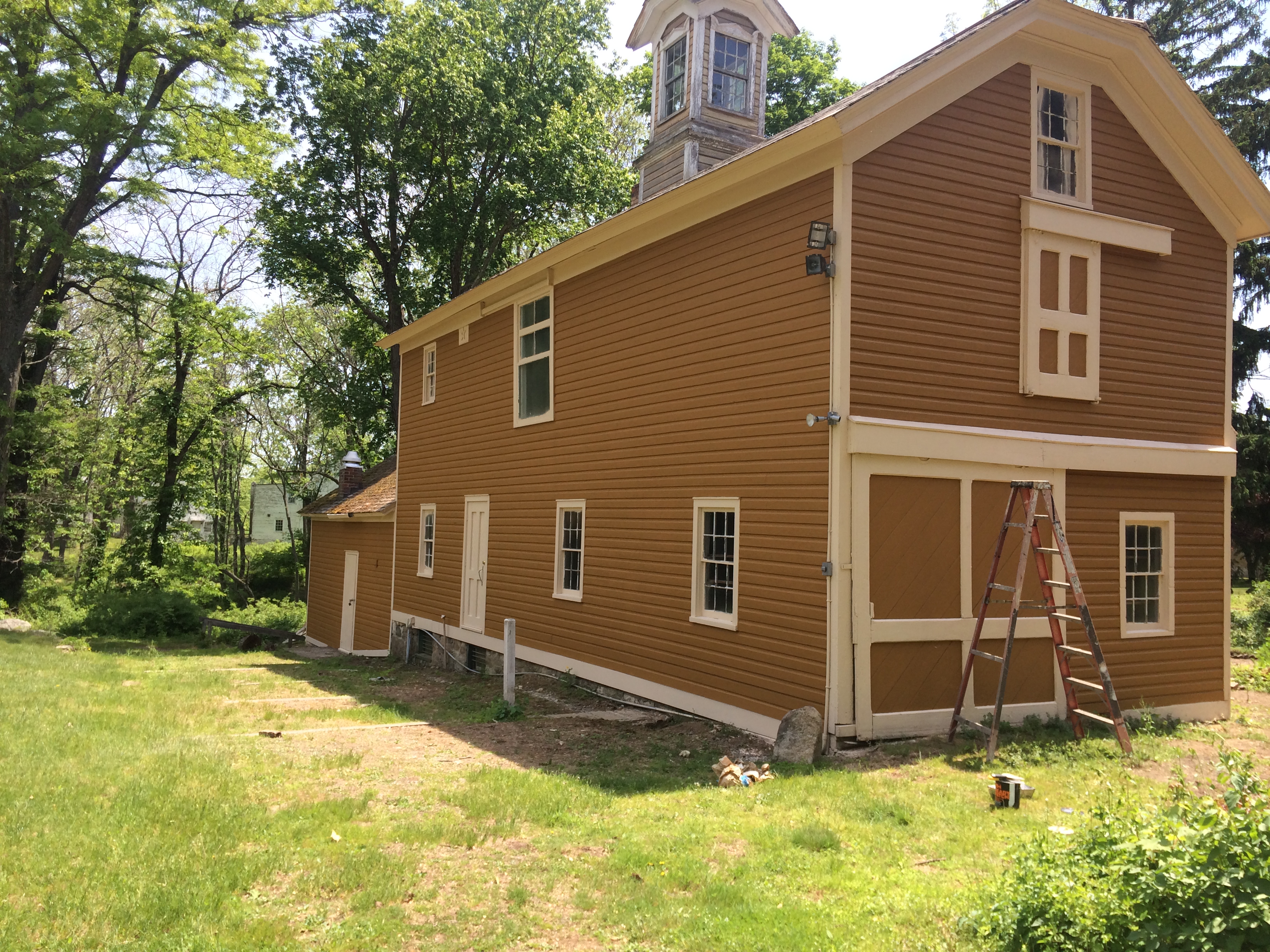
In a vibrant commercial hub like Red Bank, maintaining the integrity and appearance of industrial and commercial properties is vital. From historic buildings requiring careful restoration to modern facilities needing advanced protective coatings, the demands are diverse. Local businesses face specific environmental challenges, including humidity from the nearby Navesink River, which can accelerate corrosion on metal surfaces.
A local industrial painting contractor in New Jersey, like Spectra Painting, brings decades of regional experience. We understand the unique needs of Red Bank properties, offering services that range from waterproofing and fire-retardant coatings to specialized historic restoration painting. We are equipped to handle the complexities of preserving Red Bank’s architectural heritage while protecting its modern industrial assets.
Ready to Protect and Revitalize Your Industrial Facility?
Don’t wait for corrosion or wear to compromise your assets. A professional industrial coating application is a smart investment in the future of your facility. At Spectra Painting, we bring over three decades of expertise to every project in New Jersey.
Frequently Asked Questions (FAQ)
What is the difference between industrial and commercial painting?
Industrial painting focuses primarily on protection and durability, using specialized coatings to shield surfaces from harsh conditions, corrosion, and chemicals. Commercial painting, while still requiring durability, often places a greater emphasis on aesthetics for spaces like offices or retail stores.
How long will an industrial coating last?
The lifespan of an industrial coating depends on several factors, including the type of coating used, the quality of surface preparation, the environmental conditions, and the level of abrasion or chemical exposure. When professionally applied, high-performance coatings can last for many years, significantly extending the life of the substrate.
Can you paint over a previously coated surface?
Yes, but it requires careful preparation. The existing coating must be assessed for adhesion and integrity. Often, any loose or failing paint must be completely removed. The surface then needs to be cleaned and profiled to ensure the new coating system will bond properly.
How do you minimize disruption to my business operations during the project?
Professional industrial painting contractors work with you to create a flexible schedule that minimizes downtime. This can include working after hours, on weekends, or phasing the project to keep essential areas of your facility operational.