Professional Painting Contractor in New Jersey
Elevate Your Property’s Appeal and Value with the Right Professionals
As a property manager in New Jersey, you know that the appearance of your commercial buildings is a direct reflection of your management and the businesses within. A fresh, high-quality paint job does more than just impress; it protects the structure, enhances curb appeal, and can even increase property value. However, not all commercial painting companies are created equal. Choosing the right contractor is crucial for achieving a durable, professional finish that minimizes disruption and maximizes your investment. This guide will walk you through the essential factors to consider when selecting a commercial painting partner for your property in Tinton Falls and across New Jersey.
Key Criteria for Vetting Commercial Painting Contractors
1. Licensing and Insurance: The Non-Negotiables
The first step in vetting any contractor is to confirm they are properly licensed and insured. A valid license demonstrates that the company meets state requirements, while comprehensive insurance—including general liability and workers’ compensation—protects you from any liability in case of accidents or property damage. An uninsured contractor puts your property and your finances at significant risk. Don’t hesitate to ask for certificates of insurance. A professional company will provide this documentation without hesitation.
2. Proven Experience and Portfolio
Commercial painting is vastly different from residential work, often involving larger scopes, specialized coatings, and adherence to strict timelines. Look for a contractor with a long history and a strong portfolio of completed commercial projects similar to yours. Companies that have been in business for decades, like Spectra Painting serving New Jersey since 1989, bring a level of expertise that newer companies can’t match. Ask for references from past clients, particularly other property managers, to gain insight into their reliability and the quality of their work.
3. Range of Specialized Services
Your property may require more than a simple coat of paint. Does the contractor offer specialized services? For metal fixtures, fences, or lockers, electrostatic painting provides a factory-like finish with minimal overspray. For surface preparation on steel or concrete, industrial sandblasting is essential for proper paint adhesion. If you manage a designated landmark, you need painters with expertise in historic restoration painting. A contractor with a wide range of capabilities can serve as a one-stop-shop for all your property’s needs.
Did You Know?
The color of an office environment can significantly impact productivity and employee morale. Studies have shown that blues and greens can promote calmness and focus, while yellows can stimulate creativity. A professional commercial painter can help you choose a palette that aligns with your tenants’ brand and business goals.
The Commercial Painting Process: What to Expect
Understanding the process helps you align expectations and ensure the project runs smoothly. A reputable contractor will follow a structured approach to guarantee quality and efficiency.
Step 1: Thorough Consultation and Detailed Proposal
The project should begin with an on-site consultation to assess the scope of work. A professional contractor will provide a detailed, written proposal that outlines surface preparation, materials to be used, project timeline, and a clear pricing structure. vague estimates are a red flag.
Step 2: Meticulous Surface Preparation
Proper preparation is the foundation of a lasting paint job. This can include power washing, scraping, sanding, caulking cracks, and priming surfaces. For industrial settings, this might involve sandblasting to remove rust and old coatings. A contractor who rushes this step is cutting corners that will cost you in the long run.
Step 3: Professional Application and Quality Materials
Experienced painters use high-quality, durable paints suited for commercial use, which are designed to withstand more wear and tear than residential paints. They use proper application techniques to ensure a smooth, even finish. They should also take care to protect your property, including furniture, flooring, and landscaping.
Step 4: Clean-Up and Final Walk-Through
A professional crew cleans up the worksite daily and upon project completion. The final step should be a walk-through with the project manager to ensure every detail meets your satisfaction. This is your opportunity to point out any areas needing touch-ups. A company that offers a warranty on their work shows confidence in their craftsmanship.
The Local Advantage: Hiring a New Jersey-Based Contractor
Choosing a contractor based in New Jersey, particularly one with deep roots in areas like Tinton Falls, offers distinct advantages. A local company understands regional climate challenges and building materials. They have a vested interest in maintaining a strong local reputation and are accountable to the community they serve. Furthermore, their proximity ensures better communication and faster response times for consultations and project management. Supporting a long-standing local business like Spectra Painting means you’re partnering with a team that has proven its commitment to quality and service right here in New Jersey for over three decades.
Ready to Protect and Enhance Your Commercial Property?
Investing in a professional paint job is a smart decision for any property manager. With the right team, you can ensure a beautiful, long-lasting result that attracts tenants and reinforces your property’s value. Spectra Painting has been the trusted choice for commercial painting contractors across New Jersey since 1989.
Get Your Free Quote Today
Frequently Asked Questions (FAQ)
How long will a commercial painting project take?
The timeline for a commercial project depends on its size, the extent of surface preparation needed, and weather conditions for exterior work. A professional contractor will provide a detailed schedule in their proposal and work efficiently to minimize disruption, often offering flexible scheduling like after-hours or weekend work.
What kind of paint should be used for a commercial property?
Commercial-grade paints are recommended for their enhanced durability, scuff resistance, and washability. The specific type—such as epoxy, acrylic latex, or elastomeric coatings—depends on the surface (e.g., metal, concrete, drywall) and its exposure to traffic, moisture, or UV light. An experienced contractor will recommend the optimal products for longevity.
How can you minimize disruption to our tenants and business operations?
Experienced commercial painting companies prioritize minimizing disruption. This is achieved through careful planning, clear communication, protecting work areas, and offering flexible scheduling. Crews should be professional, maintain a clean site, and work in sections to keep common areas accessible whenever possible.
Do you offer a warranty on your work?
Reputable contractors should stand behind their work with a warranty. Be sure to ask what the warranty covers (e.g., labor, materials, specific types of paint failure) and for how long. A written warranty provides peace of mind and is a sign of a contractor’s commitment to quality.
Protecting Your Investment with a Professional Finish
For property managers, developers, and business owners in New Jersey, the appearance of your commercial building is a direct reflection of your brand. A faded, peeling, or outdated exterior can deter clients, lower property value, and suggest a lack of care. Conversely, a fresh, professional paint job enhances curb appeal, protects the structure from the elements, and creates a welcoming environment for employees and customers. Selecting from the many commercial painting companies in the Garden State is a critical decision that impacts not just aesthetics, but your long-term maintenance budget and asset protection.
This guide provides a comprehensive framework for vetting and selecting a painting contractor who can deliver high-quality, durable results that align with your project’s specific needs, whether it’s a bustling retail center, a quiet office park, or a large-scale industrial facility.
Key Factors Beyond the Quote: What to Look for in a Commercial Painter
A low bid can be tempting, but true value lies in a contractor’s experience, reliability, and scope of services. A professional partnership ensures the job is done right the first time, preventing costly reapplications and repairs down the road.
Experience and Specialization
Commercial projects are far more complex than residential ones. They often involve larger surface areas, specialized coatings, and adherence to strict safety and industry regulations. Look for a company with a proven track record across various commercial sectors like industrial, institutional, and retail. Do they have experience with specific materials relevant to your building? Do they offer specialized services such as electrostatic painting for metal fixtures or comprehensive surface preparation like sandblasting for steel and concrete?
Proper Licensing and Insurance
This is non-negotiable. A reputable commercial painting contractor must carry comprehensive liability insurance and workers’ compensation. This protects you from any liability in the event of an accident or property damage. Don’t just take their word for it; ask to see their certificates of insurance. In New Jersey, contractors should be registered with the state, confirming their legitimacy and commitment to professional standards.
Detailed and Transparent Proposals
A professional quote is more than just a price. It should be a detailed document outlining the entire scope of work. This includes surface preparation methods, the specific types and brands of primers and paints to be used, the number of coats, a projected timeline, and clear terms of payment. Vague quotes can lead to unexpected costs and disputes later on.
The Painting Process: From Prep to Perfection
The longevity of a paint job is determined long before the first coat is applied. A contractor’s approach to surface preparation is a key indicator of their quality.
Step 1: Thorough Surface Preparation
A professional crew will not paint over problems. Proper prep work is essential for paint adhesion and durability. This process should include:
- Cleaning: Power washing or hand washing to remove dirt, mildew, and chalking paint.
- Repairs: Scraping and sanding loose or peeling paint, repairing cracks, and addressing any water damage.
- Priming: Applying the correct primer to seal stains, ensure a uniform finish, and promote strong adhesion of the topcoat.
- Protection: Masking and covering windows, light fixtures, landscaping, and flooring to protect them from paint splatter.
Step 2: Application of High-Quality Materials
The type of paint used is crucial. A commercial property endures more wear and tear than a home. A good contractor will recommend durable, commercial-grade paints and coatings designed for high-traffic areas, weather resistance, and specific substrates. For metal surfaces like railings, fences, and machinery, services like electrostatic coating can provide a factory-smooth finish with minimal overspray.
Step 3: Post-Project Cleanup and Walkthrough
The job isn’t finished until the site is clean. A professional team will remove all equipment, materials, and trash, leaving your property looking immaculate. A final walkthrough with the project manager is standard practice to ensure every detail meets your satisfaction and to address any concerns before the final payment is made.
A Local Focus: Why Tinton Falls and New Jersey Businesses Trust Spectra Painting
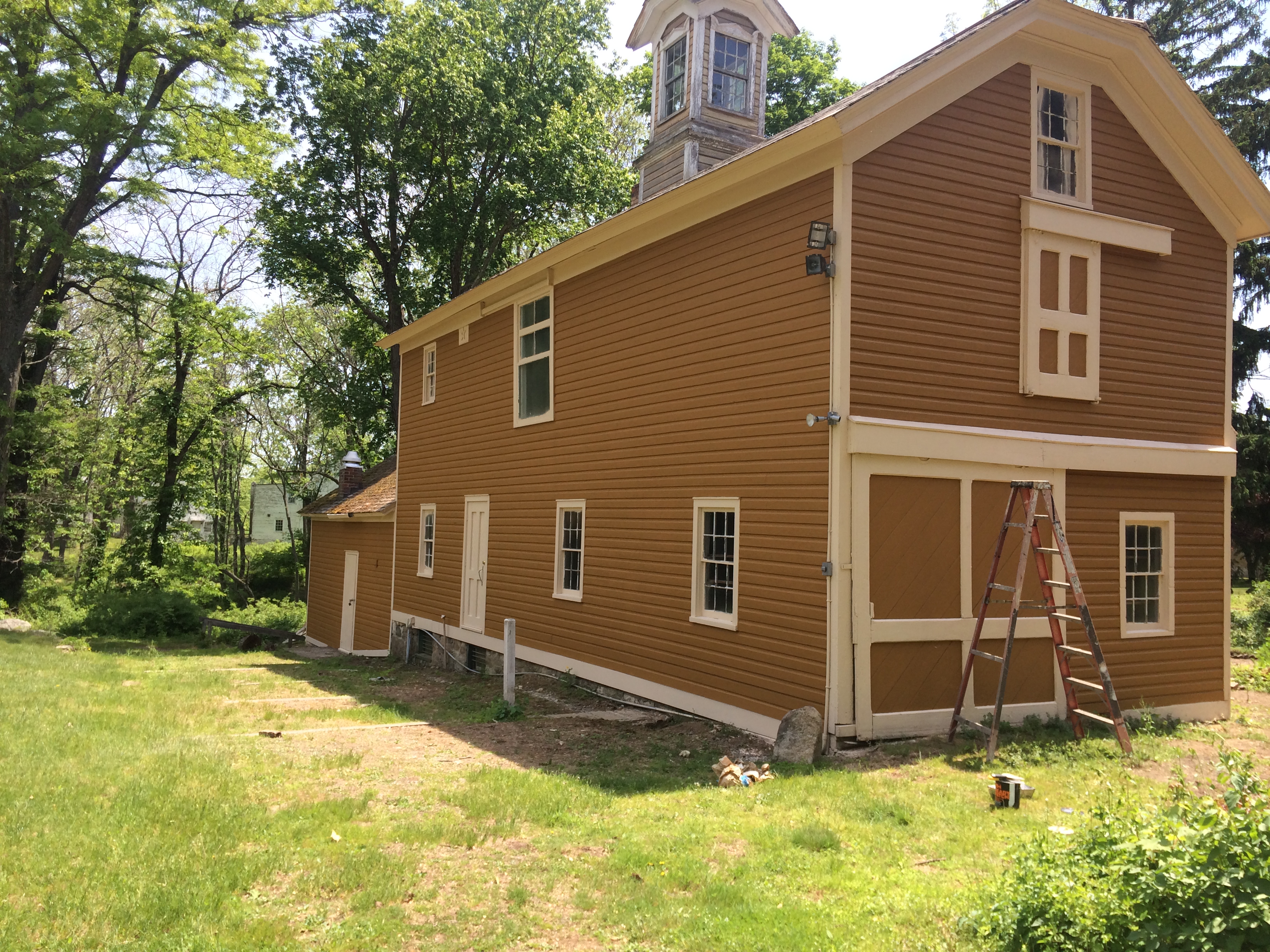
For businesses in Tinton Falls and throughout New Jersey, choosing a local contractor has distinct advantages. A local company like Spectra Painting understands the specific challenges of the Northeastern climate—from humid summers to harsh winters—and knows which products perform best. With a legacy dating back to 1989, we have established a reputation for quality and reliability across the state. We are not just vendors; we are partners in maintaining and enhancing your property’s value. Our experience extends to unique local needs, including the meticulous work required for historic restoration painting, preserving the character of New Jersey’s treasured buildings.
Our portfolio includes a wide range of successful projects for demanding clients, from ground-up commercial constructions to sensitive institutional environments. We understand the need for flexibility, often working during non-standard hours to minimize disruption to your operations.
Ready to Elevate Your Commercial Property?
Don’t let a worn-out exterior diminish your business’s image. Partner with a professional commercial painting contractor who prioritizes quality, durability, and customer satisfaction. Spectra Painting has been serving New Jersey for over three decades, delivering exceptional results for commercial, industrial, and residential clients.
GET YOUR FREE ESTIMATE TODAY
Frequently Asked Questions (FAQ)
How long will a commercial paint job take?
The timeline for a commercial painting project depends heavily on its size, the extent of surface preparation required, and weather conditions for exterior work. A professional contractor will provide a detailed project schedule in their proposal, outlining each phase from prep to final inspection. At Spectra Painting, we work efficiently and can accommodate off-hours schedules to minimize disruption to your business operations.
What is the difference between commercial and residential painting?
While both require skill, commercial painting involves larger-scale projects, specialized equipment (like aerial lifts), and industrial-grade coatings designed for high durability and specific performance characteristics (e.g., chemical resistance, fire-retardant). Commercial contractors are also experienced in navigating complex logistics, safety regulations (OSHA), and tight deadlines common in business environments. In contrast, residential painting focuses on smaller-scale aesthetic finishes within a home.
How much does commercial painting cost in New Jersey?
Cost is calculated based on several factors: the square footage of the area to be painted, the condition of the surfaces (more prep work means higher cost), the type and quality of paint selected, and the accessibility of the surfaces. A multi-story building will cost more than a single-story warehouse. For an accurate price, it’s essential to get a detailed on-site estimate. We provide free, no-obligation quotes to ensure transparency.
What specialized coatings do you offer?
We provide a wide range of specialized services beyond standard painting. This includes durable epoxy floor coatings for industrial spaces, fire-retardant coatings for enhanced safety, waterproofing systems to protect building envelopes, and advanced electrostatic painting for a flawless, wrap-around finish on metal items. We also specialize in surface preparation techniques like sandblasting to ensure maximum coating adhesion and longevity.
We use the Highest Quality Products