
A Property Manager’s Guide to Choosing Commercial Painting Contractors in Red Bank, NJ

Elevating Your Property’s Value and Appeal with a Professional Finish

For property managers in Red Bank, New Jersey, maintaining a building’s appearance is not just about aesthetics—it’s about protecting an asset, attracting high-quality tenants, and enhancing market value. A fresh, professional paint job is one of the most impactful and cost-effective ways to achieve this. However, the success of the project hinges entirely on selecting the right team. Choosing from the many commercial painting contractors requires careful consideration of experience, services, and reliability. This guide provides a comprehensive overview to help you make an informed decision and ensure your Red Bank property stands out for all the right reasons.

Key Qualities of a Top-Tier Commercial Painting Partner

Entrusting your property to a contractor is a significant decision. The ideal partner will possess a blend of technical skill, professional integrity, and deep industry knowledge. Here’s what to look for when vetting potential painting services for your Red Bank commercial property.

Proven Experience & Specialization

A contractor’s portfolio is their resume. Look for a company with a long history of serving New Jersey and a diverse range of completed projects, from industrial facilities to retail spaces. Specialized services are also a strong indicator of expertise. For example, a contractor proficient in sandblasting for surface preparation or electrostatic painting for metal fixtures demonstrates a higher level of technical capability. This is especially crucial for properties with unique materials or challenging environments.

Comprehensive Insurance and Licensing

This is non-negotiable. A professional painting contractor must carry adequate liability insurance and workers’ compensation. This protects you, your tenants, and your property from any potential accidents or damages. Always ask for proof of insurance before signing a contract. Proper licensing in the state of New Jersey is another fundamental requirement, confirming they meet state-mandated standards for operation and safety.

Commitment to a Detailed Process

A quality outcome starts long before the first can of paint is opened. A reputable contractor will provide a detailed, written proposal outlining every step of the project. This includes surface preparation, the specific types and brands of primers and paints to be used, the number of coats, and a clear timeline. This transparency ensures there are no surprises and sets clear expectations for the project from start to finish.

Beyond the Brush: The Full Spectrum of Services

A truly versatile professional painting contractor offers more than just applying paint to walls. Their services should address the unique needs of different commercial and even historic structures.

Surface Preparation: The Foundation of Durability

The longevity of a paint job is 90% preparation. Services like power washing, scraping, sanding, and caulking are essential for a flawless finish. For more demanding surfaces like metal or concrete, specialized techniques are required. Expert sandblasting services are critical for removing old coatings, rust, and contaminants, creating an ideal profile for new paint to adhere to. This ensures maximum durability and protects the underlying material from corrosion.

Specialty Coatings for Specific Needs

Modern commercial buildings often require more than standard latex paint. A knowledgeable contractor can recommend and apply a variety of specialty coatings, including:

  • Epoxy Coatings: Ideal for high-traffic floors in warehouses, garages, and industrial settings, providing exceptional durability and chemical resistance.
  • Fire-Retardant Coatings: An essential safety measure for many commercial and institutional buildings, helping to slow the spread of flames.
  • Waterproofing Sealants: Crucial for protecting building exteriors, basements, and foundations in New Jersey from moisture intrusion and water damage.

Historic Restoration Expertise

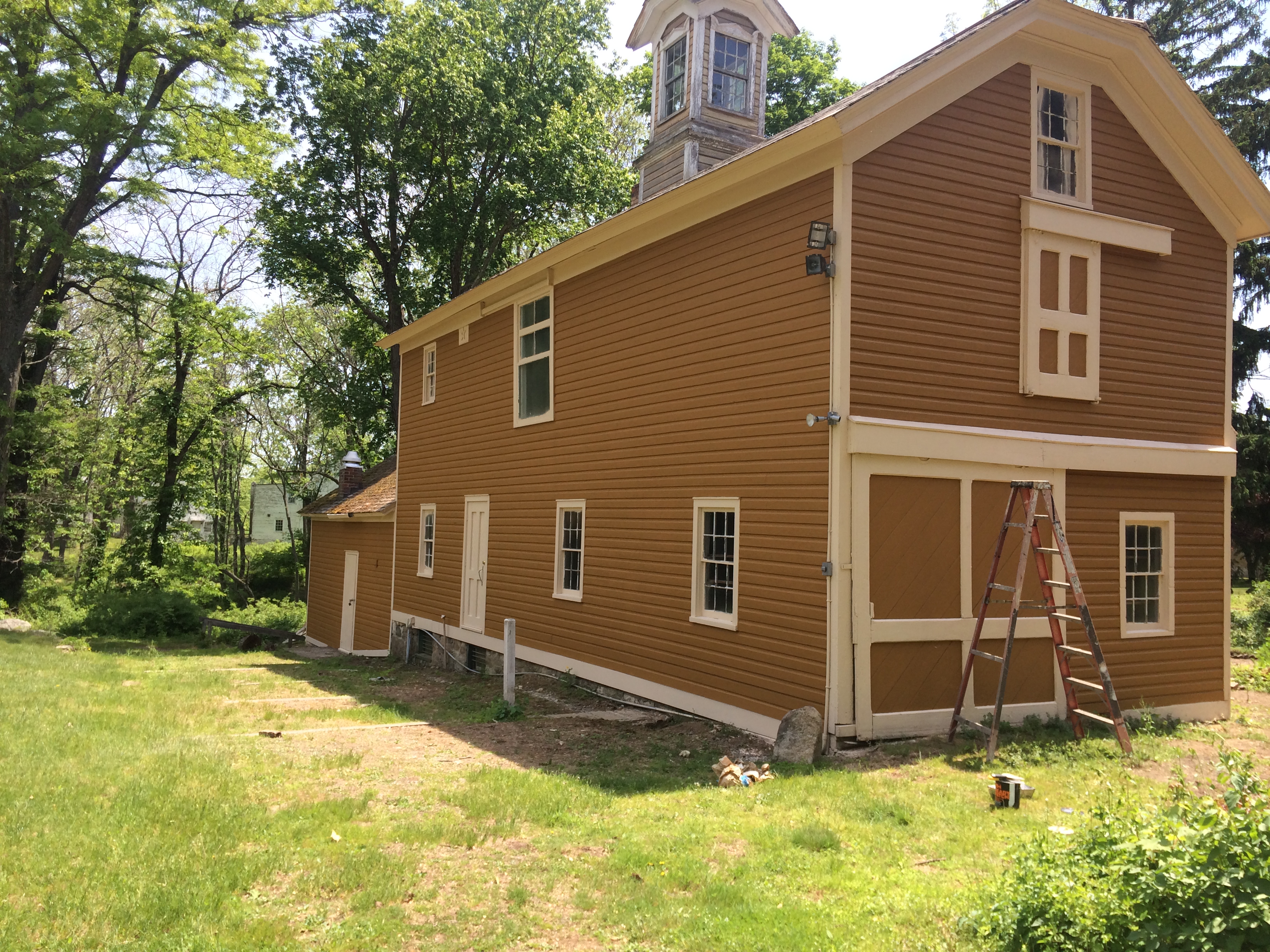
Red Bank and the surrounding Monmouth County area have a rich history, with many beautiful, older buildings. Preserving these structures requires a delicate touch and specialized knowledge. Contractors with experience in historic restoration painting understand how to work with original materials, match historic color palettes, and use techniques that maintain the building’s architectural integrity, often collaborating with conservators to ensure authenticity.

Did You Know? Quick Facts

  • Curb Appeal ROI: Quality exterior painting can increase a commercial property’s value by 5-10%. A well-maintained exterior signals a well-managed property, attracting more desirable tenants and customers.
  • Color Psychology: The colors used in a commercial space can influence mood and productivity. Blues and greens often create a calm, focused environment, while energetic colors like yellow can be effective in creative spaces.
  • Electrostatic Efficiency: Electrostatic painting creates a “wraparound” effect, magnetically adhering paint to metal surfaces. This method results in over 95% transfer efficiency, meaning minimal overspray and waste.

The Red Bank Advantage: Why Local Expertise Matters

Hiring a contractor familiar with Red Bank and the wider New Jersey climate offers distinct advantages. They understand the specific environmental challenges our buildings face, from humid summers to freezing winters and coastal salt air. This local knowledge informs their recommendations for the most durable and appropriate materials to withstand these conditions, protecting your investment for years to come. A local company like Spectra Painting is also invested in the community, with a reputation built over decades of service right here in New Jersey. This ensures a higher level of accountability and a deeper commitment to your project’s success.

Ready to Transform Your Commercial Property?

Don’t let a worn-out exterior or dated interior diminish your property’s potential. Partner with a team that has delivered exceptional quality and professionalism since 1989. Let’s discuss your project and how we can elevate your Red Bank property.

GET YOUR FREE QUOTE

Frequently Asked Questions (FAQ)

How long will a commercial painting project take?

The timeline for a commercial painting project depends on the size of the property, the extent of surface preparation required, weather conditions (for exterior work), and the types of coatings being applied. A professional contractor will provide a detailed project schedule with clear milestones.

Can you work around our business hours to minimize disruption?

Absolutely. Experienced commercial painting companies are accustomed to working on flexible schedules, including nights, weekends, and holidays, to ensure minimal disruption to your tenants, employees, and customers.

What is the difference between commercial and residential painting?

While both require skill, commercial projects often involve larger scales, specialized equipment, and more durable, heavy-duty coatings designed to withstand high traffic and environmental wear. They also demand strict adherence to safety protocols and project management to coordinate with other on-site trades and meet tight deadlines. Spectra Painting offers both expert residential and commercial services.

How do you ensure the safety of the job site?

Safety is paramount. A professional contractor adheres to strict OSHA guidelines, conducts regular safety meetings, uses proper safety equipment (harnesses, respirators), and secures the work area to protect both their crew and your property’s occupants. Our team is also lead-safe certified for older properties.


The Ultimate Guide to Hiring a Professional Painting Contractor in New Jersey

Ensuring a Flawless Finish for Your Property

A fresh coat of paint can dramatically transform your property, boosting its curb appeal, value, and overall atmosphere. However, achieving a high-quality, long-lasting finish requires more than just a brush and a can of paint. The difference between a mediocre job and a stunning result often lies in the hands of the team you hire. Choosing the right professional painting contractor is a critical decision for any homeowner, property manager, or commercial developer in New Jersey. This guide will walk you through the essential steps to find a reliable, skilled, and trustworthy contractor who will bring your vision to life.

Key Qualities of a Top-Tier Painting Contractor

When vetting potential contractors, certain non-negotiable qualities separate the amateurs from the true professionals. A premier professional painting contractor will demonstrate a commitment to excellence across every aspect of their business.

Experience and Specialization

Look for a contractor with a long-standing history of service. A company that has been in business for decades, like Spectra Painting’s service since 1989, brings a wealth of experience. This expertise is invaluable, especially for complex projects. Consider if they specialize in the services you need. Whether it’s detailed historic restoration painting for a protected landmark or robust coatings for an industrial facility, specialized knowledge ensures the right materials and techniques are used for optimal durability and authenticity.

Proper Licensing and Insurance

This is a critical checkpoint for your protection. A professional contractor must hold a valid state license and carry comprehensive liability insurance and workers’ compensation. This protects you from any liability in case of accidents or property damage during the project. Don’t hesitate to ask for proof of these documents before signing a contract.

A Strong Portfolio and References

Actions speak louder than words. A reputable contractor will be proud to share their portfolio of past projects. Review their gallery of completed work to assess the quality and scope of their capabilities. Furthermore, they should be able to provide a list of references from previous clients. Speaking to past customers can offer honest insight into their work ethic, professionalism, and the overall experience of working with them.

Understanding Different Painting Services

Professional painting encompasses a wide range of specialized services tailored to different needs, surfaces, and environments. Understanding what’s available helps you find a contractor who can meet all your project’s requirements.

Commercial and Residential Painting

While both involve applying paint, their demands differ significantly. Residential painting focuses on enhancing the beauty and comfort of a home, requiring meticulous attention to detail and a customer-centric approach. In contrast, commercial painting contractors must handle large-scale projects, often working around business hours to minimize disruption and using durable coatings that can withstand high traffic and industrial environments.

Specialized Industrial Techniques

For industrial and commercial settings, specialized services are often necessary. Sandblasting is a surface preparation method that cleans steel and other materials, creating an ideal profile for paint adhesion. Another advanced technique is electrostatic painting, which uses charged particles to deliver a smooth, factory-like finish on metal surfaces like fences, lockers, and machinery with minimal overspray.

Questions to Ask Before You Hire

To ensure you’re making the right choice, prepare a list of questions for your potential contractors. Their answers will reveal their level of professionalism and expertise.

  • What is your process for surface preparation? (A thorough prep job is key to longevity).
  • What type and brand of paint do you recommend for my project, and why?
  • How will you protect my property (flooring, furniture, landscaping) during the project?
  • What is the estimated timeline for the project, from start to finish?
  • Do you offer a warranty or guarantee for your work?
  • How is the project supervised, and who will be my main point of contact?

Did You Know?

The practice of painting goes back tens of thousands of years! The first known paintings, found on cave walls, were created by early humans using natural pigments from minerals like ochre and charcoal. Today, paint technology has evolved to include durable epoxies, fire-retardant coatings, and advanced electrostatic applications that offer more than just color—they provide protection and longevity.

The New Jersey Advantage: Local Expertise Matters

Hiring a local contractor from areas like Tinton Falls offers distinct advantages. A New Jersey-based contractor understands the regional climate—from humid summers to freezing winters—and knows which products and techniques will best protect your property from the elements. They are familiar with local building codes, regulations, and the unique architectural styles found throughout the state. This is particularly important for State of New Jersey projects and historic properties, where specific preservation standards must be met. A local contractor also has established relationships with regional suppliers, ensuring timely access to the best materials.

Ready to Start Your Next Painting Project?

Trust the professionals at Spectra Painting for unparalleled quality and service. With over three decades of experience serving New Jersey, we have the expertise to handle your residential, commercial, and historic painting needs with precision and care.

Get Your Free Quote Today

Frequently Asked Questions

How long does a typical painting project take?

The timeline varies based on the project’s size, scope, and complexity. An interior room might take a day or two, while a full exterior repaint or a large commercial project could take a week or more. A professional contractor will provide a detailed timeline upfront.

Do I need to be home during the painting work?

For interior work, arrangements can typically be made for access if you cannot be home. For exterior work, your presence is usually not required. Trustworthy contractors will coordinate with you to ensure a secure and convenient process.

What is the difference between latex and oil-based paint?

Latex (water-based) paint is the most common type used for residential and commercial walls. It’s durable, cleans up easily with water, and has low odor. Oil-based paint is extremely durable and provides a smoother finish, making it ideal for high-traffic trim, doors, and certain industrial applications. Your contractor will recommend the best type for your specific needs.

Why is surface preparation so important?

Surface preparation—which can include cleaning, sanding, scraping, and priming—is the foundation of a lasting paint job. It ensures the new paint adheres properly and won’t peel, crack, or blister prematurely. Skipping this step is a common cause of paint failure.

Sandblasting and Painting: The Ultimate Guide to Surface Preparation and Protection

Achieve a Flawless Finish That Lasts

A pristine paint job is more than just a coat of color; it’s a protective shield for your property. But to achieve a finish that is both beautiful and durable, what lies beneath the surface is critically important. For metal, concrete, and even some wood surfaces, simply painting over the existing layer isn’t enough. This is where the powerful combination of sandblasting and painting comes in, offering a superior method for preparing and finishing surfaces for maximum longevity and an impeccable appearance. This process is essential for everything from industrial machinery to historic buildings and residential metalwork, ensuring the final coating adheres perfectly and stands up to the elements.

What Exactly is Sandblasting?

Sandblasting, also known as abrasive blasting, is a surface preparation technique that involves forcibly propelling a stream of abrasive material against a surface under high pressure. The goal is to smooth a rough surface, roughen a smooth surface, shape a surface, or remove surface contaminants. Think of it as an industrial-strength exfoliation for tough materials. The “sand” can be various media, from actual sand and glass beads to steel grit and walnut shells, each chosen for its specific effect on a particular substrate.

The process effectively strips away old paint, rust, scale, grease, and other impurities that can compromise the adhesion of a new coating. By removing these contaminants, sandblasting creates a clean, profiled surface—a textured finish with microscopic peaks and valleys. This “anchor pattern” gives the new paint or coating something to grip onto, creating a much stronger, more durable bond than painting on an unprepared surface could ever achieve.

Why Combine Sandblasting with Painting? The Core Benefits

Pairing these two services is not just about aesthetics; it’s a strategic investment in the preservation and performance of your assets. The synergy between proper surface preparation and professional coating application delivers unmatched results.

Superior Adhesion and Durability

As mentioned, the primary benefit is creating an ideal surface for paint adhesion. When paint is applied to a clean, profiled surface, it forms a mechanical bond that is significantly stronger and more resilient. This means the coating is far less likely to chip, peel, or flake, even in harsh conditions. It extends the life of the paint job, saving you money on future maintenance and repainting.

Complete Removal of Contaminants

Rust and corrosion are like a cancer for metal. Painting over rust is a temporary fix at best; the corrosion will continue to spread beneath the new paint, eventually bubbling up and causing the coating to fail. Sandblasting is one of the most effective methods for completely eradicating rust and other corrosive elements, stopping the damage in its tracks and preparing the metal for a protective coating like an epoxy.

Efficiency and Time-Savings

Compared to manual methods like sanding, wire brushing, or chemical stripping, sandblasting is incredibly fast and efficient, especially on large or complex surfaces. For commercial painting contractors, this means less downtime for your facility. For homeowners, it means your project is completed much more quickly. From industrial equipment to wrought iron fences, sandblasting gets the preparation phase done right in a fraction of the time.

A Smoother, More Professional Finish

Because sandblasting removes all imperfections—old drip marks, uneven texture, and ingrained dirt—it paves the way for a flawless, factory-like finish. This is especially important for services like electrostatic painting, where a smooth, clean surface is essential for the electrically charged paint particles to wrap evenly around the object.

Local Focus: Sandblasting and Painting in Tinton Falls, New Jersey

In a state like New Jersey, with its diverse climate of humid summers, freezing winters, and proximity to salty sea air, exterior surfaces take a beating. Property owners in Tinton Falls and across the state understand the importance of robust protection against the elements. The moisture, road salt, and temperature fluctuations accelerate the process of rust, corrosion, and paint failure.

For this reason, professional sandblasting and painting is not a luxury but a necessity for maintaining the value and integrity of both commercial and residential properties. Whether it’s maintaining industrial facilities, restoring the intricate metalwork on a historic building, or refinishing metal railings on a residential property, the process ensures a coating that can withstand the specific environmental challenges of New Jersey. Spectra Painting has been serving the state since 1989, providing specialized services tailored to these local needs.

Common Applications for Sandblasting and Painting

This versatile process is ideal for a wide range of projects across different sectors:

Sector Applications
Commercial & Industrial Structural steel, machinery, equipment, tanks, pipes, concrete floors, warehouse ceilings, and building exteriors.
Residential Wrought iron fences, metal railings, patio furniture, swimming pools, car frames, and brick or stone cleaning.
Historic Restoration Careful removal of old paint and corrosion from historic metalwork, masonry, and architectural details to prepare for authentic repainting.

Ready for a Flawless, Lasting Finish?

Don’t let rust, corrosion, or failing paint diminish the value and safety of your property. Invest in a solution that prepares and protects your surfaces for years to come. The experts at Spectra Painting have decades of experience in professional sandblasting and painting services across New Jersey.

Get Your Free Quote Today

Frequently Asked Questions

Is sandblasting safe for all surfaces?

No, sandblasting is an aggressive process. It is ideal for hard surfaces like metal, concrete, and some hardwoods, but it can damage softer materials like softwoods, plastics, or thin sheet metal. A professional contractor will assess the surface and choose the appropriate abrasive media and pressure to avoid damage.

What kind of paint is used after sandblasting?

The type of paint or coating depends entirely on the surface and its intended use. For industrial metal, a high-performance epoxy primer and urethane topcoat are common for corrosion resistance. For residential metalwork, a direct-to-metal (DTM) alkyd enamel might be used. A professional will recommend the best coating system for maximum protection.

How long does the sandblasting and painting process take?

The duration depends on the size and complexity of the project, accessibility, and weather conditions (for exterior work). However, because sandblasting is so efficient, it significantly shortens the overall project timeline compared to manual preparation methods. Mobiles services also reduce downtime by bringing the equipment directly to your site.

Do I need to hire a professional for sandblasting?

Absolutely. Sandblasting requires specialized equipment, safety gear (including respiratory protection), and technical expertise. Professionals understand how to contain the abrasive media, protect surrounding areas, handle waste disposal, and achieve the correct surface profile for painting. It is not a DIY-friendly project and can be dangerous if performed incorrectly.