
Beyond a Fresh Coat: A Guide to Historic Painting in New Jersey

Preserving the Garden State’s Heritage, One Brushstroke at a Time

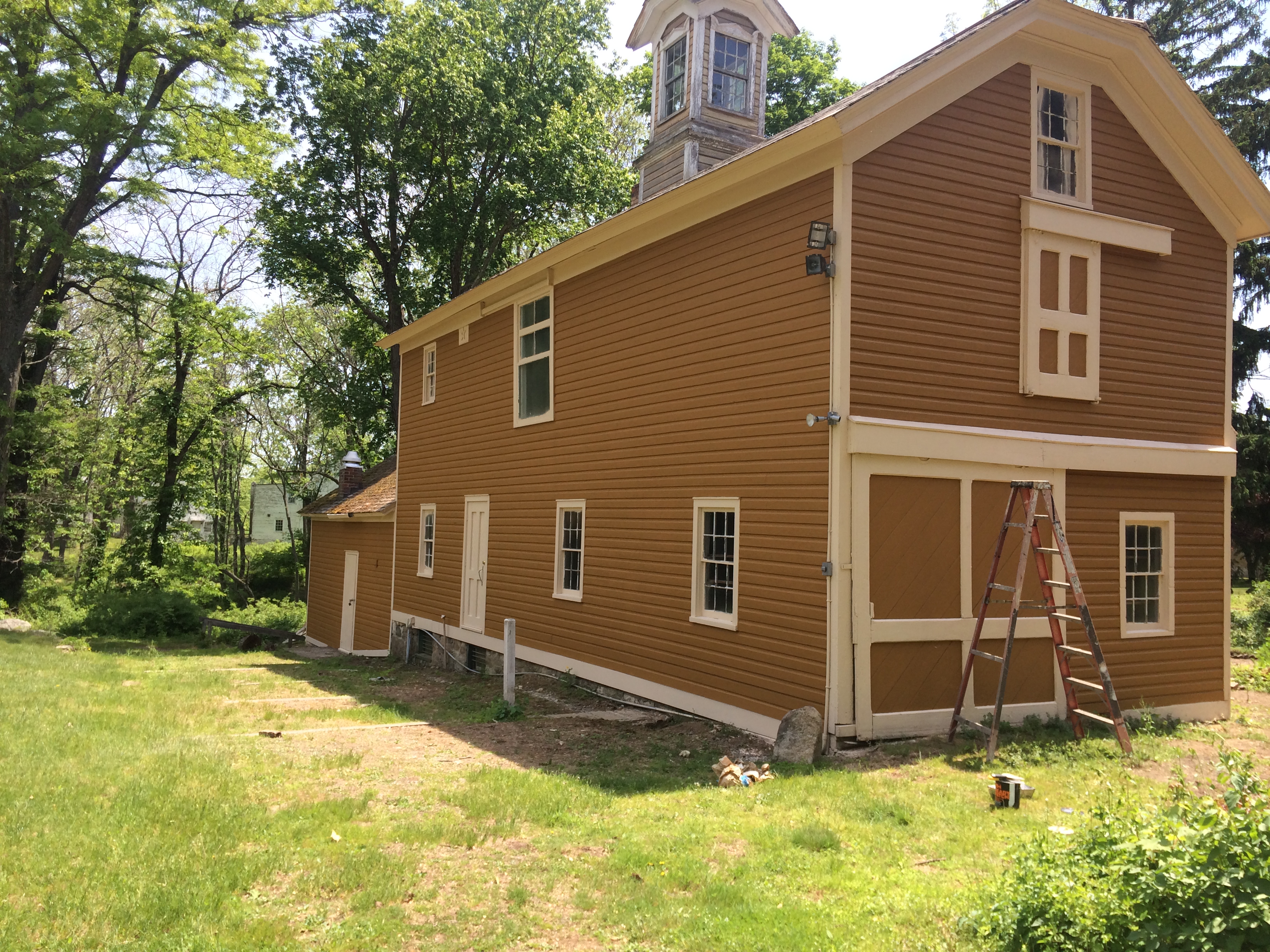
New Jersey boasts a rich tapestry of American history, reflected in its diverse architecture—from colonial-era homesteads and Victorian manors to early 20th-century commercial buildings. For property managers and owners entrusted with these treasures, maintenance is about more than curb appeal; it’s about preservation. Historic painting is a specialized craft that balances aesthetic restoration with the long-term protection of irreplaceable structures. Unlike a standard paint job, it demands a deep understanding of historical materials, architectural context, and the advanced techniques required to safeguard our state’s legacy for future generations.

Why Historic Painting Requires a Specialist

Applying modern paint to a historic surface without proper consideration can cause irreversible damage. The core difference between a standard painter and a historic restoration specialist lies in the approach. A specialist prioritizes the integrity of the original structure, understanding that every component—from the wooden siding to the iron railings—has unique needs. This involves meticulous research, material analysis, and a commitment to historically accurate methods.

The goal is not just to make a building look new, but to make it look authentic and ensure its survival. This requires a contractor with proven experience in historic painting in New Jersey, one who appreciates the delicate balance between preservation science and artistic execution. A true specialist knows that the wrong primer can trap moisture, causing wood to rot, or that an improperly chosen coating can obscure intricate architectural details.

The Meticulous Process of Authentic Restoration

1. Assessment and Historical Research

The first step is always analysis. A professional team will investigate the building’s history, identify the original substrates, and perform paint-layer analysis to understand its color evolution. This phase often involves consulting historical photographs, building records, and sometimes collaborating with historical conservators to ensure every decision is informed and appropriate for the period.

2. Advanced Surface Preparation

This is the most critical stage. Preparation on a historic building is far more delicate than on a modern one. It may involve gentle hand-scraping, low-pressure washing, or chemical stripping to remove failing paint without damaging the aged wood or masonry beneath. For certain durable surfaces like steel, careful sandblasting may be used to remove corrosion before coating. Crucially, any work on structures built before 1978 requires lead-safe certified practices to handle potentially hazardous materials safely and legally.

3. Material and Color Selection

Choosing the right materials is paramount. Experts select coatings that are not only historically accurate in color and finish but also breathable, allowing the building’s natural materials to expand, contract, and release moisture. This prevents peeling, blistering, and underlying decay. Modern technology is blended with traditional knowledge to find period-appropriate colors that offer superior modern durability.

4. Expert Application

The final step is the skilled application of the chosen coatings. This includes protecting and preserving fine details like cornices, trim, and woodwork. For metal elements like fences or railings, specialized techniques such as electrostatic painting can provide a durable, factory-like finish that prevents rust and honors the original craftsmanship.

Did You Know?

  • The New Jersey Register of Historic Places lists thousands of properties, each with its own unique story and preservation requirements.
  • Lead-based paint was used in more than 38 million homes in the U.S. before it was banned for residential use in 1978, making lead-safe certification essential for any pre-1978 property.
  • Many historic “paint colors” were originally derived from natural pigments like iron oxides (for reds and browns) and copper salts (for greens), which influenced regional color palettes.

Common Challenges in New Jersey Historic Painting

Restoring a historic property in the Garden State comes with a unique set of challenges that demand professional expertise.

Weathering the Storm

New Jersey’s climate, with its humid summers, freezing winters, and coastal salt air, is harsh on building exteriors. A historic painting contractor must select and apply coatings that can withstand this cycle of expansion and contraction to prevent premature failure. This expertise extends to both residential painting applications and larger commercial painting projects, where durability is key.

Managing Hazardous Materials

As mentioned, lead paint is a primary concern. A certified contractor follows strict EPA protocols for containment and removal, protecting the property’s occupants, the workers, and the surrounding environment from hazardous dust and debris.

Addressing Hidden Damage

Years of exposure can lead to unseen problems like wood rot, moisture intrusion, and pests. During the preparation phase, specialists are trained to identify and properly address these issues before any paint is applied, ensuring the repairs are sound and the new coating will last.

A Local Focus: Preserving History in Tinton Falls and Across NJ

From Tinton Falls to Cape May, communities across New Jersey are proud of their historic roots. Properly maintaining these structures is a service not only to the property owner but to the entire community. Well-preserved historic buildings enhance property values, attract tourism, and maintain the unique character of our towns and cities. By investing in professional historic painting, property owners become stewards of the State of New Jersey’s rich architectural narrative, ensuring it continues to tell its story for decades to come.

Trust Your Legacy Project to the Experts

Your historic property deserves more than a simple paint job. It requires the specialized care and deep expertise of a team dedicated to preservation. Since 1989, Spectra Painting has provided professional historic restoration services across New Jersey.

Get Your Free Consultation

Frequently Asked Questions

How is historic painting different from regular house painting?

Historic painting focuses on preservation. It involves detailed research, specialized surface preparation to protect aged materials, use of period-appropriate and breathable coatings, and meticulous attention to architectural details. A regular paint job primarily focuses on aesthetics and modern surface protection.

What is the most important step in a historic painting project?

Surface preparation is universally considered the most critical stage. Improper preparation—such as using high-pressure washing on delicate wood or failing to address moisture issues—can cause irreparable damage and lead to rapid paint failure.

Are special paints required for historic buildings?

Yes, often. The ideal paints allow the substrate to “breathe,” letting moisture vapor escape. This is crucial for old wood and masonry. Specialists may use high-quality alkyd primers, linseed oil-based paints, or modern acrylics formulated specifically for historic applications to ensure both authenticity and performance.

How do you handle lead-based paint?

As an EPA Lead-Safe Certified firm, we adhere to strict safety protocols. This includes setting up containment areas, using specialized tools to minimize dust, wearing protective gear, and ensuring proper disposal of all hazardous materials, protecting both the workers and the property’s inhabitants.

Glossary of Terms

Substrate: The underlying material or surface on which paint or another coating is applied, such as wood, masonry, or metal.

Period-Appropriate: Materials, colors, and techniques that are authentic to the original time period of the structure being restored.

Conservator: A professional responsible for the physical preservation and restoration of cultural artifacts, including historic buildings.

Lead-Safe Certified: A certification from the U.S. Environmental Protection Agency (EPA) required for contractors performing renovation, repair, and painting projects that disturb lead-based paint in homes, child care facilities, and schools built before 1978.


Beyond the Brush: A Guide to Choosing an Industrial Painting Contractor in New Jersey

Protecting Your Assets: Why Specialized Industrial Painting is a Critical Investment

In the demanding environments of warehouses, manufacturing plants, and industrial facilities, a coat of paint is far more than an aesthetic choice. It’s a protective shield against corrosion, chemical spills, constant abrasion, and the harsh New Jersey weather. Choosing the right industrial painting contractor is a critical business decision that directly impacts your facility’s safety, longevity, and operational efficiency. The goal isn’t just to cover a surface; it’s to implement a long-term asset protection strategy.

The Foundation of Durability: Surface Preparation is Non-Negotiable

The single most important factor determining the success and lifespan of an industrial coating system is the quality of the surface preparation. Industrial surfaces are subjected to far more stress than residential or typical commercial walls. Contaminants like oil, rust, old failing paint, and chemical residues must be completely removed to ensure the new coating can form a powerful, lasting bond with the substrate.

Advanced Surface Preparation Techniques

Standard power washing often falls short. For industrial applications, you need a contractor proficient in more robust methods. Professional sandblasting is a cornerstone of industrial surface preparation. This process forcibly propels a stream of abrasive material against a surface to remove contaminants and create a precise surface profile—a uniform roughness that is ideal for paint adhesion. This ensures the coating locks onto the steel, concrete, or other material, preventing premature peeling, blistering, and failure.

More Than Just Paint: Selecting the Right Industrial Coatings

Industrial environments demand high-performance coatings engineered to withstand specific challenges. A knowledgeable commercial painting contractor will assess your facility’s unique conditions to recommend the optimal system. This isn’t a one-size-fits-all solution.

Epoxy & Urethane Coatings

These systems are workhorses in the industrial world. Epoxy coatings provide exceptional hardness and resistance to chemicals, making them perfect for concrete floors in warehouses and on machinery. Urethane topcoats add UV stability, preventing yellowing and degradation from sunlight on exterior tanks and structural steel.

Specialty Protective Coatings

Beyond standard protection, many facilities require specialized solutions. Fire-retardant coatings (intumescent paints) swell when exposed to heat, insulating the steel and delaying structural collapse during a fire. Meanwhile, advanced waterproofing and elastomeric coatings protect buildings from water intrusion, a common issue for concrete and masonry structures.

Precision Application: Specialized Methods for Superior Results

The right coating applied incorrectly will still fail. Professional industrial painters utilize specialized equipment and techniques to ensure a uniform, durable finish that meets strict specifications. While traditional brush and roll methods have their place, advanced techniques are often required for industrial projects.

The Advantage of Electrostatic Painting

For metal surfaces like machinery, fences, railings, and fixtures, electrostatic painting offers unparalleled efficiency and quality. In this process, paint particles are positively charged as they pass through the spray gun. The metal object being painted is grounded, creating a magnetic attraction. This pulls the paint directly to the surface, wrapping around it for complete coverage with minimal overspray. The result is a smooth, factory-like finish with less waste and a quicker return to service.

Checklist: Choosing Your Industrial Painting Contractor

Key Quality Why It Matters
Proven Experience Look for a contractor with a long history of successfully completing projects similar to yours. A company with decades of experience, like Spectra Painting’s service since 1989, demonstrates stability and deep industry knowledge.
Comprehensive Safety Program An industrial site is full of hazards. Your contractor must have a robust safety plan, adhere to all OSHA regulations, and be fully insured to protect your property and their workers.
Project Management & Flexibility Downtime costs money. A professional contractor will work with your operational schedule, offering services during nights, weekends, or planned shutdowns to minimize disruption.
Technical Expertise They should understand the complex chemistry of industrial coatings and be able to diagnose surface issues and prescribe the correct preparation and application system.

Did You Know?

Corrosion Prevention

A properly applied industrial coating system can prevent corrosion on steel structures, potentially doubling their functional lifespan and saving millions in replacement costs.

Transfer Efficiency

Electrostatic painting can achieve a transfer efficiency of over 95%, meaning less wasted paint, reduced environmental impact, and lower material costs.

Adhesion Criticality

Over 75% of all coating failures are due to improper or inadequate surface preparation, highlighting its importance in any industrial painting project.

Your Local Partner for New Jersey’s Industrial Needs

From the bustling industrial parks near Tinton Falls to facilities across Red Bank and Monmouth County, understanding local conditions is an advantage. A local industrial painting contractor is familiar with regional environmental regulations and can provide faster, more responsive service. For over three decades, Spectra Painting has been a trusted partner for New Jersey’s industrial and commercial businesses, delivering high-quality results built to withstand the test of time. Our expertise also extends to meticulous historic restoration and precise residential painting, showcasing a commitment to quality across all project types.

Ready to Protect Your Industrial Investment?

Don’t wait for corrosion and wear to compromise your assets. Partner with an industrial painting contractor who has the experience, technology, and commitment to do the job right. Contact the experts at Spectra Painting for a comprehensive consultation and quote.

Request Your Free Consultation

Frequently Asked Questions About Industrial Painting

How long will our facility be out of service during the project?

A professional industrial painting contractor prioritizes minimizing downtime. We work closely with you to develop a phased plan and can operate during off-hours, weekends, or scheduled shutdowns to ensure your operations continue with minimal disruption.

What kind of safety measures do you take on-site?

Safety is paramount. Our teams follow strict safety protocols, including full compliance with OSHA standards, use of appropriate personal protective equipment (PPE), proper ventilation, and secure site containment to protect both your employees and our crew.

Is sandblasting a messy process?

While inherently dusty, professional sandblasting operations utilize advanced containment systems, such as dust collectors and barriers, to control debris and minimize the impact on the surrounding environment.

How do I know which coating is right for my facility?

The right contractor will never offer a one-size-fits-all solution. We conduct a thorough site assessment, considering factors like substrate type, chemical exposure, UV RAYS, and operational use, to recommend a specific coating system tailored to your facility’s needs and budget.

Boost Your Business: Why Professional Commercial Painting is a Smart Investment in Red Bank, NJ

First Impressions Are Everything

For any commercial property in Red Bank, from a bustling storefront on Broad Street to an office complex near the Navesink River, the exterior and interior appearance sends an immediate message. A peeling, faded, or outdated paint job can suggest neglect and deter potential clients, tenants, and even high-quality employees. Conversely, a crisp, clean, and modern finish conveys professionalism, success, and attention to detail. Investing in professional commercial painting is more than a maintenance task; it’s a strategic move that directly impacts your brand perception and bottom line. A well-maintained property not only attracts more customers but can significantly increase its market value, providing a substantial return on investment.

Choosing to work with experienced commercial painting companies ensures your property not only looks its best but is also properly protected from the elements, minimizing costly repairs down the road.

The ROI of Durability: Protecting Your Asset

Commercial painting is fundamentally about protection. A high-quality paint job acts as a crucial barrier, shielding your building’s structure from moisture, UV radiation, and daily wear and tear. This protective layer is especially vital in a place like Red Bank, where the New Jersey climate brings a mix of humid summers, freezing winters, and coastal air. Without a proper coating, materials can degrade, leading to issues like rot, rust, and water damage.

Professional commercial painting contractors understand that longevity starts with meticulous surface preparation. This isn’t just about applying paint; it’s about creating a flawless canvas for it to adhere to. For metal surfaces, this might involve specialized services like sandblasting to remove old coatings and corrosion, ensuring the new paint bonds perfectly and lasts for years. By investing in expert preparation and premium materials, you extend the life of your property and avoid the frequent, costly cycle of repainting.

Beyond the Brush: Efficiency and Specialized Expertise

What truly sets professional painters apart is their efficiency and specialized knowledge. Commercial projects often come with unique challenges, including tight timelines, operational constraints, and complex surfaces. A seasoned team knows how to manage a project to minimize disruption to your business, often working after hours or during weekends.

Furthermore, professional crews have access to advanced techniques and equipment that are out of reach for general painters. A prime example is electrostatic painting, a highly efficient method for coating metal surfaces like railings, lockers, and elevator doors. The process creates a smooth, factory-like finish with minimal overspray, allowing for a quick return to service. For properties with a rich past, the expertise of a contractor skilled in historic restoration is invaluable, ensuring preservation standards are met while revitalizing the building’s character. Choosing specialists ensures the job is done right the first time.

How to Choose the Right Commercial Painting Company in Red Bank

Selecting the right partner for your project is crucial. Not all painters are equipped for the demands of a commercial job. Here’s a quick checklist to guide your decision:

  • Review Their Portfolio and Experience: Look for a company with a proven track record in commercial projects similar to yours. Their portfolio should showcase a diverse range of properties and demonstrate their expertise.
  • Verify Licensing and Insurance: This is non-negotiable. Proper licensing and insurance protect your business from liability in case of accidents or property damage.
  • Ask About Materials and Process: Reputable contractors use high-quality products and are transparent about their preparation and application processes. Inquire about the brands they use and why.
  • Check for Specializations: Does your project require unique skills? Whether it’s waterproofing, fire-retardant coatings, or historic preservation, ensure the company has the specific expertise you need.
  • Request Local References: Speaking with previous clients in the Red Bank area is one of the best ways to gauge a company’s reliability, communication, and the quality of their finished work.

Did You Know?

Color psychology plays a significant role in commercial spaces. For instance, blues and greens are known to promote calmness and focus in an office setting, potentially boosting productivity. In retail, warmer tones can create a welcoming atmosphere that encourages customers to linger. The right color strategy can transform a space’s function and feel.

A Local Focus: Protecting Your Red Bank Commercial Property

Properties in Red Bank and across Monmouth County face distinct environmental challenges. The proximity to the coast means dealing with salt in the air, which can accelerate the corrosion of metal surfaces and the breakdown of certain paint films. High humidity levels can also create conditions for mildew and mold growth if surfaces aren’t properly prepared and coated with the right products.

A local, experienced painting contractor like Spectra Painting understands these regional nuances. We can recommend and apply specific solutions like waterproofing sealants and corrosion-resistant coatings to ensure your investment is protected against the unique coastal New Jersey environment. This proactive approach not only keeps your property looking great but also preserves its structural integrity for years to come.

Ready to Elevate Your Commercial Property?

A professional paint job is an investment in your brand, your property, and your future. Let our team of experts at Spectra Painting provide a durable, high-quality finish that makes the right impression.

Get Your Free Quote Today

Frequently Asked Questions (FAQ)

How often should a commercial building be repainted?

The frequency depends on several factors, including the quality of the previous paint job, the type of surface, and exposure to the elements. Generally, a high-quality exterior paint job can last 5-10 years, while high-traffic interior areas may need refreshing every 3-5 years.

What is the difference between commercial and residential paint?

Commercial-grade paints are formulated for higher durability and resistance to wear and tear. They are designed to withstand heavy traffic, frequent cleaning, and specific environmental exposures found in commercial and industrial settings. Products like scuff-resistant, low-VOC, and anti-microbial paints are common in commercial applications.

Can you work around our business hours to minimize disruption?

Absolutely. Professional commercial painting companies are accustomed to working within their clients’ schedules. We can arrange to perform the work during evenings, weekends, or other off-peak times to ensure your business operations continue smoothly.

How do you ensure a clean and safe worksite?

A professional crew prioritizes safety and cleanliness. This includes thoroughly masking and covering all non-painted surfaces, using proper ventilation, and adhering to all safety protocols. The site is cleaned up at the end of each day and left spotless upon project completion.

Glossary of Terms

Electrostatic Painting: A painting method where paint particles are electrostatically charged and sprayed onto a grounded metal surface. This process creates a strong attraction, resulting in a smooth, even, and durable finish with minimal waste.

Fire-Retardant Coatings: Specialized paints that are designed to slow the spread of flames and reduce smoke in the event of a fire, providing an extra layer of safety for commercial properties.

Sandblasting: A surface preparation technique that involves propelling a stream of abrasive material (like sand) at high speed against a surface to smooth it, roughen it, shape it, or remove surface contaminants like rust and old paint.

VOC (Volatile Organic Compounds): Chemicals found in some paints that are released into the air as the paint dries. Low-VOC or Zero-VOC paints are often used in commercial interiors to improve air quality and reduce odors.

Waterproofing: The application of a sealant or coating to a surface to prevent water from penetrating it. This is crucial for protecting building foundations, masonry, and exterior walls from moisture damage.