
Boost Your Curb Appeal: A Tinton Falls Guide to Expert Residential Painting

Transform Your Tinton Falls Home with a Fresh Coat of Paint

A professional paint job is one of the most effective ways to revitalize your home’s appearance, protect it from the elements, and significantly increase its market value. For homeowners in Tinton Falls, New Jersey, the impact of a high-quality finish goes beyond simple aesthetics; it’s an investment in your property’s longevity and appeal. Whether you’re refreshing your interior spaces or creating a stunning new exterior, the right team and a flawless coat of paint can make all the difference. That’s why choosing experienced, local professionals is crucial for a result that is both beautiful and durable.

More Than Just Color: The Value of a Professional Paint Job

Choosing to repaint your home is about more than just picking a new color. A professional residential painting service delivers a multi-faceted value that impacts your home from the inside out.

Increase Property Value

Real estate experts consistently rank exterior and interior painting as one of the most cost-effective renovations for boosting a home’s value. A crisp, clean paint job signals to potential buyers that the property is well-maintained, leading to a higher perceived value and a faster sale. Even if you aren’t planning to sell, it enhances the pride you take in your home.

Enhance Curb Appeal

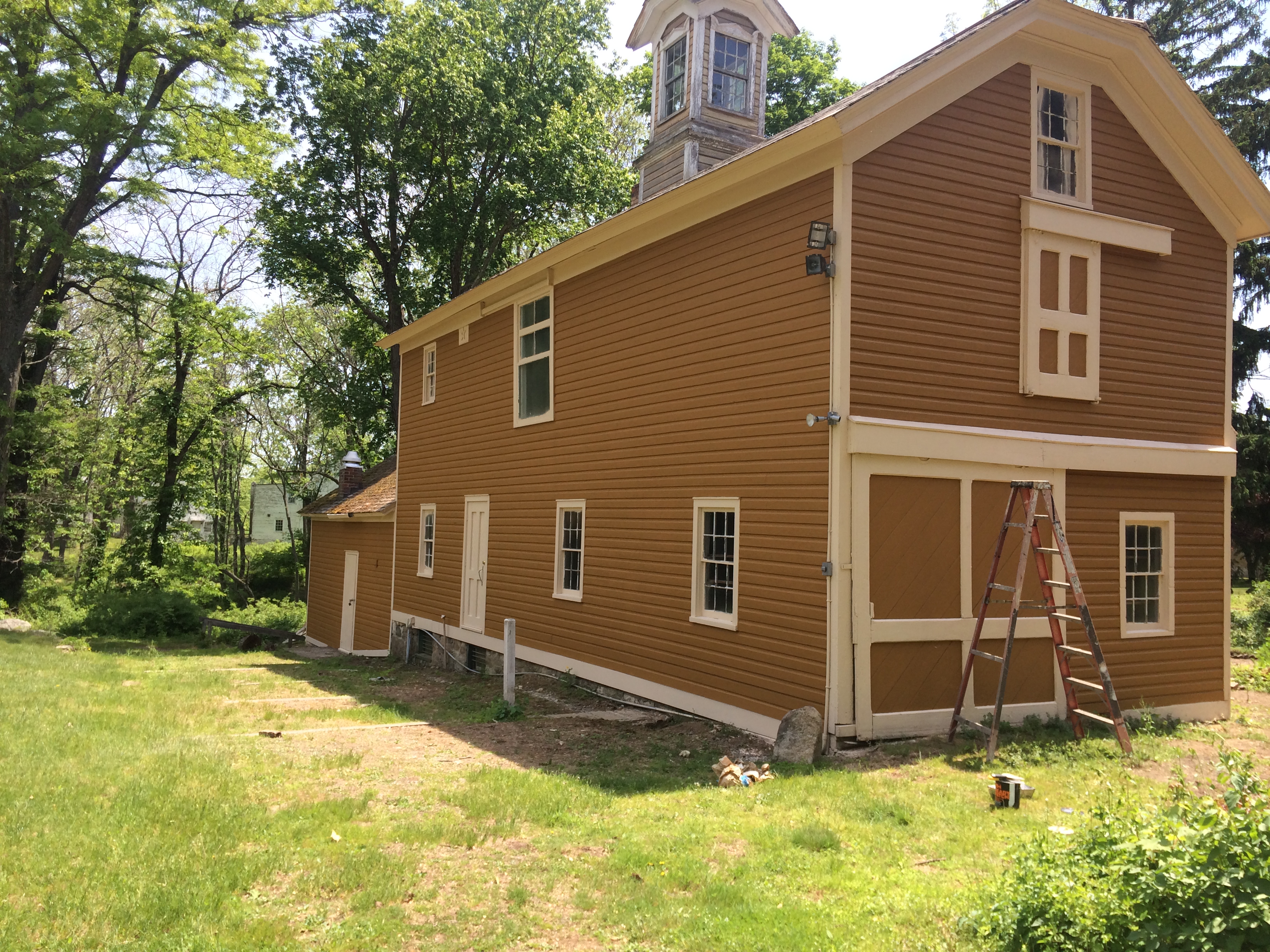
Your home’s exterior is the first impression it makes. A faded, peeling, or outdated color scheme can detract from even the most beautiful architecture. An expert exterior repaint instantly elevates your home’s curb appeal, making it a standout property in your Tinton Falls neighborhood.

Protect Your Investment

Paint is your home’s first line of defense against the elements. A quality paint job with proper surface preparation seals and protects siding from moisture, rot, insects, and the harsh New Jersey weather. This preventative maintenance can save you from costly repairs down the line.

What to Look for in a Tinton Falls Painting Contractor

The quality of your residential painting project depends entirely on the skill of the team you hire. Not all painting contractors are created equal. When vetting painters for your Tinton Falls home, prioritize a company that demonstrates a commitment to quality, professionalism, and customer satisfaction.

  • Years of Local Experience: A long-standing presence in the community is a strong indicator of reliability and quality. With experience serving New Jersey since 1989, Spectra Painting possesses deep knowledge of local architecture and climate-specific challenges.
  • Proper Credentials: Always ensure your contractor is fully licensed and insured. This protects you, your property, and the workers on-site. Reputable companies will readily provide this information.
  • Detailed, Written Estimates: A professional painter will provide a comprehensive estimate that details the scope of work, materials to be used, surface preparation process, and total cost. This avoids surprises and sets clear expectations.
  • A Portfolio of Work: Reputable contractors will be proud to show you examples of their completed projects. Reviewing a gallery of their work can give you confidence in their ability to deliver a high-quality finish.

Protecting Your Tinton Falls Home from the Jersey Shore Climate

Living in Tinton Falls means experiencing all four seasons, from humid summers to cold, wet winters. This variable climate can be tough on a home’s exterior. The sun’s UV rays cause paint to fade and break down, while moisture can lead to peeling, blistering, and underlying wood rot. A professional painting contractor understands these local challenges and uses specific techniques and materials to ensure your paint job lasts. This includes meticulous surface preparation to remove all dirt and loose paint, application of high-quality primers that block stains and improve adhesion, and the use of premium, weather-resistant paints designed to withstand New Jersey’s demanding environment. This careful approach ensures maximum protection and a beautiful finish that endures year after year.

Interior vs. Exterior Painting: Key Differences

Factor Interior Painting Exterior Painting
Primary Goal Aesthetics, ambiance, and creating clean, scuff-resistant surfaces. Protection from weather (sun, rain, snow), curb appeal, and durability.
Paint Type Formulated for minimal odor (low-VOC), washability, and stain resistance. Formulated for flexibility against temperature changes, UV resistance, and moisture prevention.
Preparation Filling nail holes, repairing drywall, protecting furniture and floors, cleaning walls. Power washing, scraping, sanding, caulking gaps, and priming bare surfaces. Sometimes includes sandblasting for tougher jobs.
Ideal Season Any time of year, as long as there is proper ventilation. Dry, mild weather conditions. Late spring, summer, and early fall are ideal in New Jersey.

Did You Know?

The concept of “curb appeal” gained widespread popularity partly due to the rise of home improvement television shows. However, its importance has been understood in real estate for decades. Studies have shown that a well-maintained exterior, particularly with fresh paint, can increase a home’s value by as much as 5-10%. Investing in professional painting isn’t just a maintenance task; it’s a strategic upgrade to your property.

Ready to Refresh Your Tinton Falls Home?

Let Spectra Painting bring a new level of beauty and protection to your home. With decades of experience and a commitment to excellence, we are the trusted choice for residential painting in Tinton Falls and across New Jersey.

Get Your Free Estimate Today

Frequently Asked Questions

How often should I repaint my house exterior in New Jersey?

Given the New Jersey climate, it’s generally recommended to repaint your home’s exterior every 5 to 10 years. However, this can vary depending on the quality of the previous paint job, the type of siding, and its exposure to direct sun and moisture.

What is the best time of year to paint my home’s exterior?

The ideal time for exterior painting in Tinton Falls is during dry, mild weather. Late spring, summer, and early fall typically offer the best conditions, with moderate temperatures and low humidity, allowing the paint to cure properly for a durable finish.

How long does a typical residential painting project take?

The timeline depends on the size of your home and the scope of the project. An average-sized exterior project can take from 3 to 6 days, including preparation. Interior projects vary greatly. We provide a detailed project timeline with every estimate.

What makes your historic restoration different?

For homes with historical significance, our historic restoration painting goes beyond standard procedures. We partner with conservators, research authentic color palettes, and use specialized techniques to preserve the architectural integrity and historical character of the property, ensuring it meets all preservation standards.


The Ultimate Guide to Electrostatic Painting Services

A Flawless Finish Every Time: What is Electrostatic Painting?

When it comes to painting metal surfaces, achieving a smooth, durable, and factory-like finish can be a challenge. Traditional methods like brushing or rolling often leave behind streaks, drips, and uneven layers. This is where electrostatic painting emerges as a superior solution. It’s a specialized coating process that uses the principles of magnetism to apply paint with unparalleled precision and efficiency. In this method, paint particles are positively charged as they pass through the spray gun, while the metal object to be painted is grounded (given a negative charge). This creates a powerful attraction, causing the paint to wrap around the surface for a perfectly uniform coat. This technique is transforming how businesses and homeowners in Red Bank, New Jersey, approach refinishing metal fixtures, machinery, and furniture.

How the Electrostatic Process Guarantees a Superior Finish

The science behind electrostatic painting is what makes it so effective. The law of opposites attract is the fundamental principle at play. The strong attraction between the charged paint and the grounded surface is about 75 times stronger than gravity, pulling the paint directly onto the object. This ensures that even hard-to-reach areas, complex shapes, and the reverse side of surfaces are evenly coated, an effect known as “wrap-around.” Because the paint is drawn directly to the metal, there is minimal overspray, making the process cleaner, more efficient, and better for the environment by reducing waste and airborne particles. This high transfer efficiency, often exceeding 95%, means more paint on the target and less in the air.

Key Advantages of Professional Electrostatic Coating

Unmatched Durability

The electrostatic bond is incredibly strong, creating a hard, resilient finish that resists chipping, peeling, and corrosion, significantly extending the life of your equipment and fixtures.

Factory-Quality Appearance

The process yields a smooth, even coating free of brush marks or drips, mimicking a finish applied in a factory setting. This is ideal for refreshing the look of architectural elements or machinery.

Efficiency and Speed

Electrostatic painting is a fast application method that often requires fewer coats. Since it can be done on-site with minimal overspray, it dramatically reduces project downtime for businesses.

Cost-Effectiveness

While the initial investment might be higher than traditional methods, the long-term savings are substantial due to reduced paint waste, lower labor costs, and superior durability that requires less frequent repainting.

The Electrostatic Painting Process: A Step-by-Step Look

Achieving a perfect electrostatic finish requires precision and expertise. Here’s a look at the typical steps professionals like Spectra Painting follow:

  1. Surface Preparation: This is the most critical step. The metal surface must be thoroughly cleaned of all dirt, grease, and rust. For previously painted items, old paint is removed and the surface may be sanded to ensure proper adhesion. Our sandblasting services are often used for optimal preparation.
  2. Masking and Protection: Any areas not intended for painting are carefully masked off. Although overspray is minimal, surrounding surfaces are protected.
  3. Grounding the Object: A grounding wire is securely attached to the metal object. This creates the negative charge necessary for the electrostatic attraction.
  4. Paint Application: The specialized paint is given a positive charge within the electrostatic spray gun. As the paint is sprayed, the charged particles are magnetically drawn to the grounded surface, wrapping around it for complete coverage.
  5. Curing: The paint dries quickly to form a hard, durable finish. The painted items can often be returned to service almost immediately, minimizing disruption.

Electrostatic vs. Traditional Painting Methods

Feature Electrostatic Painting Traditional Painting (Brush/Roller/Spray)
Transfer Efficiency Up to 98%—minimal waste. Low to moderate (40-70%)—significant overspray and waste.
Finish Quality Smooth, uniform, factory-like finish with no marks. Prone to drips, brush strokes, and uneven layers.
Coverage Excellent “wrap-around” coverage on complex shapes. Difficult to cover hard-to-reach areas evenly.
Durability Highly durable and resistant to chipping/peeling. Less durable, requires more frequent maintenance.

Ideal Applications for Electrostatic Painting

The versatility of electrostatic painting makes it the perfect choice for a wide array of projects across different sectors. From large-scale industrial jobs to detailed residential work, this technique delivers superior results.

  • Commercial Properties: Perfect for metal door frames, elevator doors, window mullions, lockers, bathroom partitions, and office furniture. See how our commercial painting contractors can transform your space.
  • Industrial Facilities: Ideal for machinery, equipment, pipes, storage tanks, and structural steel, providing a protective coating that withstands harsh conditions.
  • Residential Projects: Excellent for wrought-iron fences, gates, railings, metal patio furniture, and appliances. It’s a key part of our residential painting services.
  • Historic Restoration: For metalwork on historic buildings, electrostatic painting provides a durable, smooth finish that preserves architectural integrity. This complements our specialized historic restoration services.

Your Trusted Electrostatic Painting Experts in Red Bank, NJ

For property managers and homeowners in Red Bank and across New Jersey, choosing the right contractor is crucial. Since 1989, Spectra Painting has delivered high-quality, specialized coating services. Our expertise in electrostatic painting ensures minimal disruption to your operations and a finish that is both beautiful and long-lasting. We understand the unique needs of our local clients and are committed to protecting and enhancing your valuable assets with precision and professionalism.

Ready for a Flawless, Durable Finish?

Transform your metal surfaces with the power and precision of electrostatic painting. Contact the experts at Spectra Painting today to discuss your project and receive a free, no-obligation quote.

Get Your Free Quote

Frequently Asked Questions (FAQ)

What surfaces can be painted with electrostatic technology?

Electrostatic painting is designed primarily for conductive surfaces, making it ideal for all types of metal, including steel, iron, and aluminum. Certain plastics can also be coated using a conductive primer.

Is electrostatic painting safe?

Yes, when performed by trained professionals. Experts use specialized equipment and follow strict safety protocols, including proper grounding and ventilation, to ensure a safe process.

How long does electrostatic paint take to dry?

Drying times can be very fast, often in just a few minutes, allowing objects to be put back into service with minimal downtime. However, full curing time depends on the specific paint formulation and environmental conditions.

Can electrostatic painting be done on-site?

Absolutely. One of its main advantages is that it’s a mobile process. Professionals can bring the equipment to your commercial or residential property, making it perfect for items that are difficult or impossible to move.

The Ultimate Guide to Waterproof Coatings for New Jersey Properties

Protect Your Investment from New Jersey’s Harshest Weather

Your property, whether a commercial building or a family home, is one of your most significant assets. In New Jersey, that asset is constantly under attack from the elements. From humid summers and coastal storms to freezing winters, moisture is a persistent threat that can lead to costly structural damage, mold growth, and decreased property value. The first line of defense is a high-quality, professionally applied waterproof coating. This essential barrier does more than just repel water; it preserves the integrity and longevity of your building, ensuring it stands strong for years to come.

Understanding the right type of coating and its application process is crucial for effective protection. For property managers, commercial developers, and homeowners who value durability and precision, investing in professional waterproofing is not just a maintenance task—it’s a strategic decision to safeguard your investment against the unique climate challenges of the Garden State.

What Are Waterproof Coatings and Why Do They Matter?

Waterproof coatings are specialized liquid-applied membranes that form a seamless, durable barrier over a substrate to prevent water penetration. Unlike simple water-resistant paints, these advanced formulations are designed to withstand hydrostatic pressure and bridge minor cracks, offering robust and long-lasting protection. They can be applied to a variety of surfaces, including concrete, masonry, metal, and wood, making them a versatile solution for foundations, basements, roofs, balconies, and exterior walls.

The primary benefit is preventing water intrusion, which is the root cause of many significant building problems. By keeping moisture out, you can avoid:

  • Structural Damage: Water can seep into concrete and masonry, causing rebar to rust and expand, leading to spalling (cracking and breaking). In colder months, the freeze-thaw cycle can turn small cracks into major structural failures.
  • Mold and Mildew Growth: Damp environments are breeding grounds for mold and mildew, which can compromise indoor air quality and pose health risks to occupants.
  • Damage to Interior Finishes: Leaking water can ruin drywall, flooring, and paint, requiring expensive repairs and disrupting daily operations for businesses or home life for residents.
  • Decreased Energy Efficiency: Wet insulation loses its effectiveness, forcing your heating and cooling systems to work harder and increasing your utility bills.

For any type of structure, from a large-scale industrial facility to a private residence, these coatings are an essential part of a comprehensive maintenance plan. This is particularly true for specialized projects, such as historic restoration painting, where preserving the original materials is paramount.

Choosing the Right Type of Waterproof Coating

The effectiveness of a waterproof barrier depends on selecting the appropriate material for the job. Different coatings have unique properties suited for specific applications and substrates.

Elastomeric Coatings

These acrylic-based coatings are highly flexible, allowing them to stretch and move with a building as it expands and contracts with temperature changes. This elasticity makes them excellent at bridging small cracks and providing a long-lasting, seamless membrane on exterior walls. They are a popular choice for both commercial painting contractors and residential projects.

Cementitious Coatings

As the name suggests, these coatings are cement-based and are commonly used for waterproofing foundations, basements, and water treatment facilities. They are easy to apply and provide excellent adhesion to concrete and masonry surfaces, creating a hard, durable, and waterproof finish.

Polyurethane Coatings

Polyurethane provides a highly durable and abrasion-resistant waterproof membrane. It’s often used for high-traffic areas like parking decks, balconies, and rooftops. Its chemical resistance also makes it a strong choice for industrial facilities where exposure to various substances is a concern.

Did You Know?

A single crack just 1/16 of an inch wide in a concrete foundation can allow over 200 gallons of water to pass through per day during a heavy rainstorm.

The National Flood Insurance Program reports that just one inch of water can cause up to $25,000 in damage to a home. Proactive waterproofing is far more cost-effective than reactive repairs.

Proper surface preparation is responsible for over 80% of a coating’s success. Techniques like professional sandblasting remove contaminants and create the ideal profile for a strong, lasting bond.

The Professional Application Process: More Than Just a Coat of Paint

Achieving a truly waterproof seal is a meticulous process that requires expertise and precision. It’s not a simple DIY project. Here’s what a professional approach involves:

1. Thorough Inspection and Diagnosis

A professional painting contractor will first assess the property to identify existing moisture issues, locate potential points of water entry, and determine the condition of the substrate. This step is crucial for developing an effective waterproofing strategy.

2. Comprehensive Surface Preparation

The surface must be completely clean, dry, and free of any loose paint, dirt, grease, or efflorescence. This may involve power washing, grinding, or sandblasting to ensure the coating can adhere properly. Any existing cracks or joints must be repaired and sealed.

3. Expert Application

Applying the coating requires specific techniques to achieve the correct thickness and a seamless finish. Professionals use specialized equipment to ensure even coverage across the entire surface, including difficult-to-reach areas, paying close attention to corners and joints where leaks are most common.

4. Curing and Final Inspection

The coating must be allowed to cure properly according to the manufacturer’s specifications. A final inspection ensures the membrane is flawless and ready to protect the property. This level of detail is standard for both our residential painting and large-scale commercial projects.

The New Jersey Advantage: Why Local Expertise Matters

Here in Tinton Falls and across New Jersey, properties face a unique set of environmental challenges. The humid summers can promote mildew growth on exterior surfaces, while winter brings the destructive force of freeze-thaw cycles. Proximity to the coast also means salt-laden air, which can accelerate the deterioration of building materials.

A local contractor understands these specific conditions. At Spectra Painting, we have provided expert waterproof coatings in New Jersey since 1989. We know which products stand up to nor’easters and which application techniques are best for protecting historic brick from moisture damage. Our deep experience in the region ensures we can recommend and apply the most effective waterproofing solutions to protect your property from our state’s specific climate conditions.

Ready to Protect Your Property?

Don’t wait for water damage to become a costly problem. Secure your commercial or residential property with a professional-grade waterproof coating. Contact the experts at Spectra Painting today for a comprehensive consultation and a free, no-obligation quote.

Get Your Free Quote

Frequently Asked Questions

How long do waterproof coatings last?

The lifespan of a waterproof coating depends on the type of coating used, the quality of the application, and the environmental conditions it’s exposed to. A professionally applied, high-quality coating can last anywhere from 10 to 20 years or more with proper maintenance.

Can you apply waterproof coatings over existing paint?

It depends on the condition of the existing paint. If the paint is peeling, blistering, or flaking, it must be completely removed to ensure the new coating can bond directly to the substrate. If the existing paint is in good condition, a professional will determine if it’s a suitable and compatible base for the waterproof coating.

Are waterproof coatings breathable?

Many modern waterproof coatings are designed to be “breathable.” This means they prevent liquid water from penetrating from the outside, but they allow water vapor from within the walls to escape. This is a critical feature that helps prevent moisture from getting trapped inside the wall system, which could lead to rot and mold.

Is waterproofing only for basements and foundations?

No. While basements and foundations are common areas for waterproofing, coatings are essential for many other parts of a building. This includes exterior walls (especially masonry and concrete), roofs, balconies, decks, and any area exposed to significant rainfall or moisture.