
What to Look For in a Professional Painting Contractor in Red Bank, NJ

Experience and Expertise Matter More Than You Think

When it comes to transforming your property, whether it’s a historic home, a bustling commercial space, or an industrial facility, the quality of the paint job makes all the difference. While a fresh coat of paint seems straightforward, the difference between an amateur job and a professional finish is vast. Choosing the right professional painting contractor is the most crucial decision you’ll make. It’s about more than just applying color to a wall; it’s about ensuring longevity, durability, and a flawless aesthetic that enhances your property’s value and appeal. A true professional brings years of experience, specialized skills, and a commitment to quality that guarantees a superior result.

In Red Bank and across New Jersey, property owners understand the importance of hiring a contractor who is not only skilled but also reliable and deeply knowledgeable about local conditions and architectural styles. From navigating the specific needs of coastal properties to understanding the requirements of historic preservation, an expert team provides peace of mind and an investment that lasts.

Key Qualities of a Top-Tier Painting Contractor

Not all painting companies are created equal. To ensure you’re hiring a genuine professional, look for these essential characteristics:

1. Comprehensive Range of Services

A contractor’s service offerings are a strong indicator of their expertise. A versatile company can handle diverse projects, from detailed interior work to large-scale industrial coatings. Look for a team that provides more than just standard painting. Specialized services like sandblasting for surface preparation, electrostatic painting for metal surfaces, and waterproofing are signs of a highly capable contractor. This demonstrates a deep understanding of different materials and application techniques required for a lasting finish.

2. Proven Track Record and Experience

Experience is non-negotiable. A company that has been serving the community for decades, like Spectra Painting since 1989, has built a reputation on consistent, high-quality work. They have encountered and solved countless challenges, honing their process to be efficient and effective. Ask for a portfolio or client list to see the breadth and quality of their past projects. Seeing is believing, and a strong portfolio is a testament to their skill.

3. Proper Licensing and Insurance

This is a fundamental aspect of professionalism. A legitimate contractor will always be fully licensed and insured. This protects you, your property, and their workers. Liability insurance covers any accidental damage, and workers’ compensation protects their crew in case of injury. Never hire a contractor who cannot provide proof of both—it’s a massive red flag that could leave you liable for accidents or poor workmanship.

4. Meticulous Preparation Process

The final paint job is only as good as the preparation that precedes it. A professional painting contractor understands this and dedicates significant time to preparing surfaces. This includes cleaning, sanding, repairing cracks or holes, and priming. They will also take great care to protect your property by covering furniture, floors, and landscaping. A contractor who rushes through or skips preparation steps is cutting corners and compromising the quality and lifespan of the work.

Specialized Services for Every Need

A truly professional contractor offers solutions tailored to specific needs, showcasing their advanced capabilities.

Commercial and Industrial Painting

Business environments have unique demands. Commercial painting requires contractors who can work around business hours to minimize disruption and understand the durability requirements for high-traffic areas. This includes using industrial-grade coatings that can withstand wear and tear, chemicals, and environmental factors.

Historic Restoration

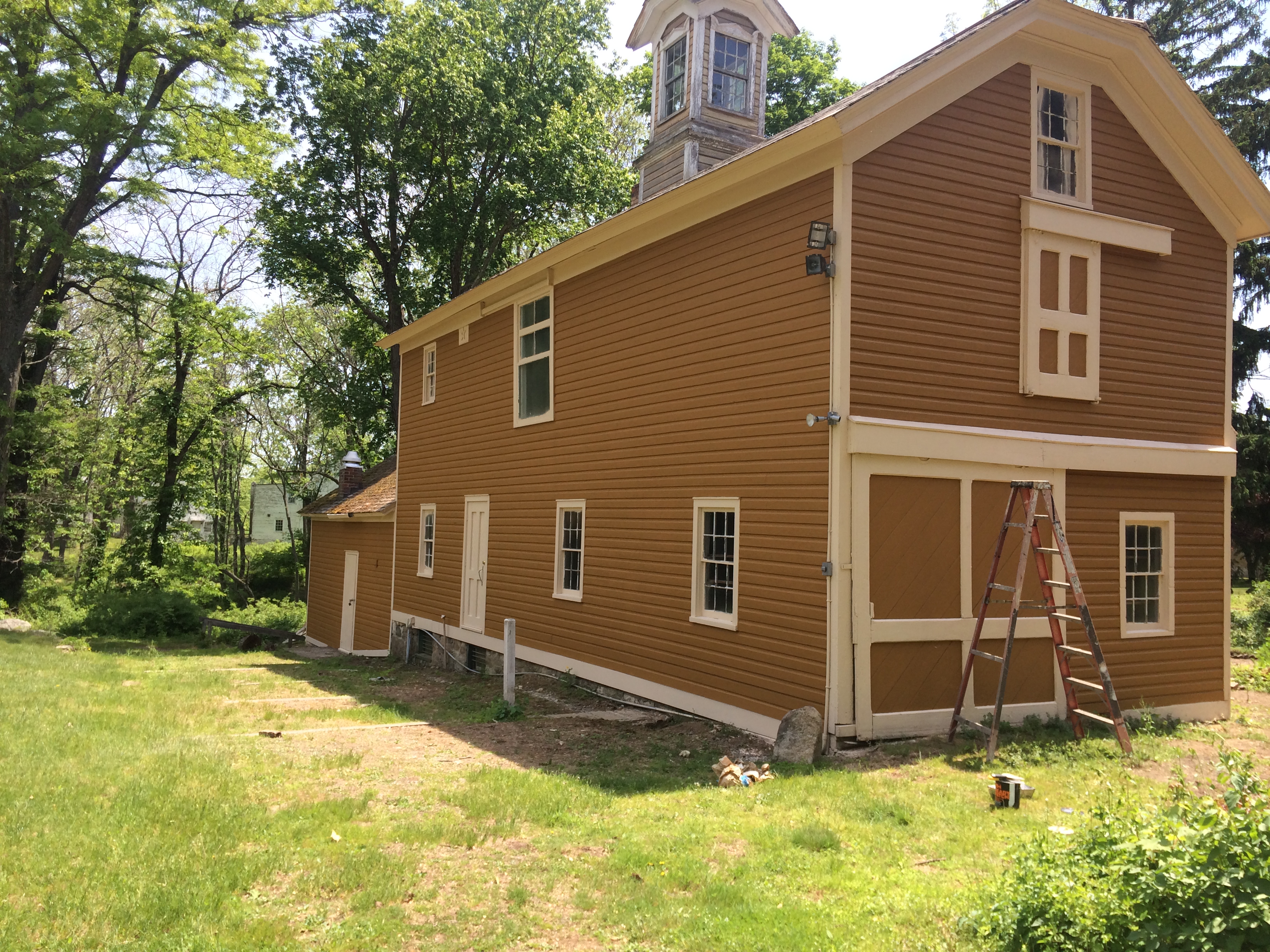
Painting historic properties is a delicate art. It requires a deep knowledge of period-appropriate materials, colors, and techniques. A contractor specializing in historic restoration painting works to preserve the building’s character and integrity, often collaborating with historical commissions to ensure every detail is authentic.

Electrostatic Painting

For metal surfaces like railings, lockers, or machinery, electrostatic painting provides a flawless, factory-like finish. This method uses a magnetic charge to ensure the paint wraps evenly around the object, resulting in a smooth, durable coating with minimal overspray. It’s an efficient and clean process ideal for both commercial and residential applications.

The Local Advantage: Hiring a Painting Contractor in Red Bank, NJ

Choosing a local professional painting contractor in the Red Bank area offers significant benefits. A local company has an established reputation within the community and a vested interest in maintaining it. They understand the specific environmental factors in New Jersey—from the humid summers to the cold winters—and know which products and techniques will stand up to the local climate.

Furthermore, a contractor familiar with Red Bank’s diverse architecture, from Victorian homes to modern commercial buildings, brings an invaluable perspective. They can provide relevant references and examples of their work nearby. This local expertise ensures that your project not only looks great upon completion but is also properly protected for years to come.

Ready to Start Your Next Painting Project?

Trust the professional painting contractors at Spectra Painting for unparalleled quality and service. With decades of experience serving Red Bank and all of New Jersey, we have the expertise to bring your vision to life.

GET YOUR FREE QUOTE

Frequently Asked Questions

How long will my painting project take?

The timeline for a painting project depends on its size, complexity, and the extent of preparation needed. A professional contractor will provide a detailed schedule upfront, outlining each phase from prep work to final inspection.

Do you use high-quality paint and materials?

Yes, a reputable contractor always uses premium-quality paints and materials from trusted manufacturers. The choice of material is crucial for a durable and beautiful finish, and we can recommend the best products for your specific needs and budget.

What do I need to do to prepare for the painters?

While your contractor will handle the heavy lifting of moving large furniture and protecting your property, it’s helpful to clear smaller, delicate items from the rooms being painted. A professional team will communicate any specific requests before they begin work.

Are your painters employees or subcontractors?

Reputable painting companies typically use their own vetted and trained employees rather than subcontractors. This ensures consistent quality, reliability, and accountability throughout the project. At Spectra Painting, our team is comprised of experienced professionals dedicated to our high standards.


Preserving a Legacy: A Guide to Historic Painting in New Jersey

More Than a Fresh Coat: The Art of Restoring History

New Jersey is a state steeped in history, its landscape dotted with architectural treasures that tell the story of bygone eras. From stately Colonial homes in Red Bank to grand Victorian mansions and landmark commercial buildings, these structures are more than just properties; they are a tangible link to our past. Preserving them requires a specialized approach, especially when it comes to painting. Historic painting is not merely about aesthetics; it is a critical practice of conservation, demanding meticulous attention to detail, a deep understanding of period materials, and a respect for the building’s original character.

A successful historic restoration painting project protects the structure from the elements, maintains its architectural integrity, and ensures its legacy for future generations. It requires a delicate balance of traditional craftsmanship and modern technology to achieve a result that is both authentic and durable.

The Unique Challenges of Painting Historic New Jersey Properties

Painting a historic building presents obstacles not found in standard residential or commercial painting projects. These challenges require specialized knowledge and skill to overcome without compromising the building’s integrity.

Regulatory Compliance

Many historic properties in New Jersey are protected by local, state, or even national regulations. The New Jersey Historic Preservation Office sets guidelines to ensure that any work performed is historically appropriate. Navigating these rules, from color palette approvals to material restrictions, is a critical first step. An experienced historic painting contractor understands these legal frameworks and can ensure your project proceeds smoothly.

Material Deterioration & Hazardous Substances

Centuries-old materials require careful handling. Wood may be rotted, plaster can be brittle, and masonry may have moisture damage. Furthermore, buildings constructed before 1978 are likely to contain lead-based paint, which poses significant health risks if disturbed improperly. Professional painters must be certified in lead-safe practices to handle removal and containment safely.

Achieving Historical Accuracy

Selecting the right colors and finishes is paramount to an authentic restoration. This often involves detailed research, including paint analysis to uncover the original layers of paint (a process called chromochronology). The goal is to replicate the original palette and type of finish, whether it’s a flat, mineral-based paint for a colonial home or a richer, multi-color scheme for a Victorian property.

The Professional Process for Historic Restoration Painting

A high-quality historic painting job follows a disciplined, multi-stage process to ensure lasting beauty and protection.

  1. 1. In-Depth Assessment and Research

    The project begins with a thorough inspection of the building’s substrate and existing paint layers. This includes identifying areas of damage, moisture intrusion, and material decay. Research into the building’s history helps inform decisions about the appropriate period colors and techniques.

  2. 2. Meticulous Surface Preparation

    This is the most critical phase. Preparation may involve gentle hand-scraping, chemical stripping, or specialized methods like sandblasting for certain durable surfaces. All loose or failing paint is removed, surfaces are cleaned of residue and mildew, and necessary repairs to wood or plaster are made. Bare wood is primed to protect against moisture.

  3. 3. Thoughtful Material Selection

    Choosing the right products is key to longevity. This includes high-quality primers that are compatible with historic materials and topcoats that are breathable to prevent moisture trapping, a common cause of paint failure on old buildings. Many leading paint manufacturers offer dedicated historic color collections to ensure authenticity.

  4. 4. Precise and Skillful Application

    The application itself is an art. Professional painters use techniques appropriate for the building’s character, ensuring clean lines, uniform coverage, and careful attention to intricate details like trim, cornices, and window sashes. The goal is a finish that looks authentic, not like a modern, factory-sprayed coating.

DIY vs. Professional Historic Painting

While the DIY spirit is admirable, historic restoration is one area where professional expertise is invaluable. The risks associated with improper handling of historic materials and non-compliance with regulations can be costly.

Aspect DIY Approach Professional Contractor (like Spectra Painting)
Knowledge & Expertise Limited to online research; risk of using incorrect materials or techniques. Decades of experience with historic structures, material science, and period-appropriate methods.
Safety & Regulations Risk of exposure to lead paint; potential for fines due to non-compliance with historic district rules. Lead-safe certified; fully insured; knowledgeable about local and state preservation laws.
Equipment & Preparation Basic tools; may overlook critical preparation steps, leading to paint failure. Specialized equipment for surface prep, repairs, and flawless application. Access to advanced services like sandblasting.
Longevity & Outcome Prone to peeling, cracking, and moisture damage within a few years. A durable, authentic, and beautiful finish that protects the property for many years to come.

Did You Know?

  • The New Jersey Register of Historic Places was established in 1970 to protect the state’s significant cultural resources.
  • Not all historic preservation commissions in New Jersey regulate paint color, but it’s a common guideline in designated historic districts to maintain aesthetic consistency.
  • Using “breathable” paints on historic masonry is crucial. Modern impermeable paints can trap moisture inside old brick or stone, causing it to degrade from the inside out.

A Local Focus: Preserving the Charm of Red Bank, NJ

Communities like Red Bank, New Jersey, are celebrated for their vibrant downtowns and beautiful historic neighborhoods. The architectural character of these areas is a major part of their appeal and economic vitality. From classic storefronts on Broad Street to the elegant homes in surrounding areas, proper maintenance is key to preserving this charm. Engaging a local professional painting contractor who understands the specific environmental factors and architectural styles of Monmouth County ensures that your historic property contributes positively to the community’s unique identity.

Ready to Restore Your Property’s Historic Beauty?

Your historic property deserves the care and expertise of a specialist. At Spectra Painting, we have proudly served New Jersey since 1989, combining decades of experience with a passion for preservation. We handle every aspect of your historic painting project with the precision it requires.

Get Your Free Quote Today

Frequently Asked Questions (FAQ)

How do I know if my house requires special historic treatment?

If your home was built before 1950, or if it is located within a designated historic district, it likely requires special consideration. Key indicators include original wood siding, sash windows, intricate trim, or masonry construction. Consulting with a professional can provide a definitive answer.

What is the biggest mistake homeowners make when painting a historic house?

The most common and damaging mistake is improper surface preparation. Painting over failing paint, dirt, or moisture-damaged wood without addressing the underlying issue will lead to a finish that peels and cracks quickly, wasting time and money and potentially causing further damage to the structure.

How do you choose historically accurate paint colors?

This can be done through several methods. A professional can perform a careful paint analysis (scraping small areas to reveal underlying layers) to find the original color. Additionally, we consult historic color charts from paint manufacturers and work with local historic preservation commissions to ensure the selected palette is appropriate for the building’s age and style.

Is historic restoration painting more expensive than standard painting?

The initial investment can be higher due to the intensive labor required for preparation, the potential for hazardous material abatement, and the use of specialized materials. However, a properly executed historic paint job will last significantly longer and provide better protection for your property, making it a more cost-effective choice in the long run.

Glossary of Terms

  • Historic Preservation: The act of preserving and protecting buildings, objects, and landscapes of historical significance.
  • Lead Abatement: The process of safely reducing or removing lead hazards, particularly lead-based paint.
  • Period Colors: A palette of paint colors that were characteristic of a specific architectural era (e.g., Colonial, Victorian, Arts & Crafts).
  • Substrate: The underlying material or surface on which paint or another finish is applied (e.g., wood, plaster, brick).
  • Chromochronology: The scientific analysis of paint layers to determine the history of colors used on a building over time.

Boost Your Home’s Value with Professional Residential Painting in Red Bank, NJ

Discover How a Fresh Coat of Paint Is More Than Just Color—It’s an Investment in Your Property.

A fresh coat of paint is one of the quickest and most effective ways to transform your home’s appearance. But beyond the immediate aesthetic upgrade, professional residential painting offers a significant return on investment by increasing property value, enhancing curb appeal, and protecting your home from the elements. For homeowners in Red Bank, New Jersey, understanding the benefits of a professional paint job is key to making a smart investment in their property. A professional finish signals to potential buyers that a home is well-cared-for, which can lead to higher offers and a faster sale.

Why Professional Painting is a Smart Investment

When it comes to home improvements, few projects offer the compelling value proposition of professional painting. It’s not just about changing a room’s color; it is a strategic move that enhances your home’s marketability and longevity. A quality paint job protects surfaces from wear and tear, moisture, and other environmental factors that can cause long-term damage. For residents in the varied climate of New Jersey, this protective layer is especially crucial.

Professionally painted homes tend to sell faster and for higher prices. The pristine look masks minor imperfections and creates a clean, neutral canvas that allows potential buyers to more easily envision themselves living in the space. This initial positive impression, starting from the moment they see your home, sets a powerful tone for the entire viewing process.

The Professional Process: More Than Just a Brush and Roller

Hiring a professional painting contractor like Spectra Painting ensures a flawless, long-lasting finish that a typical DIY project can’t match. The difference lies in the meticulous process, from initial prep work to the final touches. A professional project is a well-orchestrated series of steps designed for maximum quality and efficiency.

Step 1: Thorough Preparation

Proper surface preparation is arguably the most critical step for a durable paint job. Professionals begin by cleaning surfaces to remove dirt and grease, repairing cracks or holes, and sanding uneven areas to create a smooth canvas. For exterior projects, this may involve power washing to remove old, flaking paint and grime. All furniture and fixtures are carefully covered and protected.

Step 2: Priming for Perfection

Primer application is essential, especially when painting over new drywall, dark colors, or bare wood. It ensures better paint adhesion, improves durability, and provides a uniform surface for the topcoat, resulting in a richer, more even color.

Step 3: Flawless Application

Using high-quality paints and expert techniques, professionals apply even coats to achieve a consistent, streak-free finish. They use the right tools for each part of the job, such as cutting in edges with precision brushes before rolling larger surfaces. This attention to detail prevents messy lines and ensures a crisp, clean look. For specialized jobs, such as electrostatic painting on metal surfaces, professional equipment is essential for a factory-like finish.

Step 4: Clean-Up and Final Inspection

After the painting is complete, a professional team conducts a thorough cleanup, removing all materials and leaving your home spotless. A final walkthrough is performed to inspect the work, touch up any necessary spots, and ensure your complete satisfaction.

Choosing Paint for the New Jersey Climate

New Jersey’s climate, with its humid summers and freezing winters, demands durable paint that can withstand significant temperature swings and moisture. When selecting exterior paint, it is vital to choose products with specific features.

Climate Challenge Recommended Paint Feature Benefit
Humid Summers Moisture and Mildew Resistance Prevents mold growth and water damage.
Cold Winters Flexibility (Acrylic Latex) Withstands freezing and thawing without cracking.
Coastal Salt Air (Jersey Shore) Anti-Corrosion/Marine-Grade Resists degradation from salt particles.
Intense Sunlight UV Resistance Prevents color fading and chalking.

For interior projects, choosing low-VOC (Volatile Organic Compounds) paints can improve indoor air quality, while washable finishes in high-traffic areas ensure easy maintenance. A professional contractor can recommend the best products for each specific application, including specialized coatings like those needed for historic restoration projects.

Quick Facts: Did You Know?

  • A professional exterior paint job can increase a home’s value by up to 5%.
  • Neutral paint colors are often recommended when selling a home because they appeal to a broader range of buyers.
  • Proper surface preparation accounts for as much as 75% of the success and longevity of a paint job.
  • Lead-safe certification is crucial for homes built before 1978. Spectra Painting is lead-safe certified to handle such projects safely.

Spotlight on Red Bank: Painting for Local Charm

In a town like Red Bank, with its vibrant downtown and diverse mix of historic and modern homes, maintaining your property’s appearance is key to preserving its character and value. A professional paint job respects the architectural integrity of your home while reflecting your personal style. Whether you own a classic Victorian that requires delicate historic painting or a contemporary build needing a fresh, modern look, choosing the right colors and finish is crucial. A professional painter can help select a palette that complements your home’s style and harmonizes with the neighborhood aesthetic.

Ready to Transform Your Red Bank Home?

Let Spectra Painting bring a new level of professionalism and beauty to your residential painting project. With over 30 years of experience serving New Jersey, we deliver exceptional quality and lasting results.

Get Your Free Quote Today

Frequently Asked Questions (FAQ)

How often should I repaint my house in New Jersey?

For exteriors in New Jersey, it’s generally recommended to repaint every 5 to 7 years, depending on the quality of the previous paint job and exposure to elements like sun and moisture. Coastal homes may require more frequent attention. Interior paint can last longer, though high-traffic areas may need a refresh sooner.

What should I look for when hiring a painting contractor?

Look for a contractor who is licensed, fully insured (both liability and worker’s compensation), and can provide references. An experienced contractor should offer a detailed, written estimate outlining the scope of work, materials, and timeline. At Spectra Painting, we pride ourselves on our professionalism and transparent process.

Will I need to move my furniture before you start?

While clearing smaller items and personal belongings is helpful, our professional team will handle moving and covering heavy furniture to protect it from paint and dust. We ensure your property is thoroughly protected throughout the project.

Do you offer a warranty on your work?

Yes, reputable painting contractors should stand by their work. We offer a warranty that covers both workmanship and materials to give you peace of mind. Be sure to ask for the specific details when you receive your estimate.