
Choosing the Right Commercial Painting Contractor in Red Bank, NJ

Elevate Your Business Image with a Professional Finish

The appearance of your commercial property is a direct reflection of your brand. A clean, fresh, and professionally applied coat of paint can significantly impact how customers, tenants, and partners perceive your business. For establishments in Red Bank, New Jersey, finding reliable commercial painting contractors is the first step toward achieving a lasting impression. From protecting your investment against the elements to boosting employee morale, the right paint job does more than just add color—it adds value, integrity, and credibility to your entire operation.

What Sets Professional Painters Apart?

Hiring a professional painting team is about more than just applying paint to a wall. It involves a meticulous process that ensures durability, safety, and a flawless finish. True professionals bring years of experience, specialized equipment, and a deep understanding of materials and techniques best suited for different commercial environments.

Expert Surface Preparation

The key to a long-lasting paint job is preparation. Professionals meticulously clean, repair, and prime surfaces before a single drop of paint is applied. For industrial or weathered surfaces, this can involve techniques like sandblasting, which strips away old paint, rust, and contaminants to create the perfect canvas for new coatings.

Advanced Coating Solutions

Commercial properties often require more than standard latex paint. Contractors offer specialized coatings like waterproofing, fire-retardant paints, and electrostatic finishes. Electrostatic painting, for example, provides a smooth, factory-like finish on metal surfaces with minimal overspray, perfect for machinery, lockers, and fixtures.

Efficiency and Minimal Disruption

A reputable contractor understands that time is money. They work efficiently, often during off-hours, to minimize disruption to your business operations. Their project management skills ensure the job is completed on schedule and within budget, allowing you to return to business as usual as quickly as possible.

Did You Know?

  • • A fresh coat of paint can increase a commercial property’s value by as much as 10%.
  • • Specific colors can influence customer behavior. Blue often evokes trust and security, while green is associated with wealth and tranquility.
  • • The electrostatic painting process uses a negative charge to attract paint particles to a grounded metal surface, resulting in 98% transfer efficiency and significantly less waste.

How to Select the Right Painting Contractor for Your Project

Choosing the right partner for your painting project is crucial. Use these key criteria to vet potential contractors and ensure you receive the quality and professionalism your property deserves.

1. Verify Experience and Specialization

Look for a company with a long-standing history and a diverse portfolio. Have they handled projects similar to yours? A contractor like Spectra Painting, with experience since 1989, demonstrates longevity and reliability. Ensure they have expertise in the specific services you need, whether it’s large-scale commercial painting, delicate historic restoration, or even detailed residential painting if your needs are mixed-use.

2. Check for Proper Licensing and Insurance

This is non-negotiable. A professional contractor must be fully licensed and carry both liability insurance and workers’ compensation. This protects you, your property, and their workers from any unforeseen accidents during the project.

3. Ask for Detailed, Written Estimates

Avoid vague quotes. A comprehensive estimate should itemize all costs, including labor, materials, surface preparation, and cleanup. It should also specify the types of paints and primers to be used and provide a clear project timeline.

4. Review Their Client List and References

Reputable contractors are proud of their work and happy to share references or a client list. Speaking with past clients can provide invaluable insight into the contractor’s professionalism, timeliness, and the quality of their finished product.

A Local Focus: Painting Services in Red Bank, NJ

Red Bank is known for its vibrant downtown, historic buildings, and thriving business community. Maintaining the aesthetic appeal of a property here requires a contractor who understands local standards and environmental factors. From the salt in the air coming off the Navesink River to the specific requirements for historic preservation, a local professional painting contractor familiar with the area can provide tailored solutions that stand the test of time and enhance the unique charm of your Red Bank property.

Ready to Transform Your Commercial Space?

Don’t let a worn-out exterior or dated interior hold your business back. Let the experts at Spectra Painting provide a high-quality, durable, and beautiful finish that reflects the quality of your brand.

Get Your Free Quote Today

Frequently Asked Questions

How long will my commercial painting project take?

The timeline for a commercial painting project depends on the size of the property, the extent of surface preparation required, and weather conditions for exterior work. A professional contractor will provide a detailed schedule with their estimate.

Will the painting process disrupt my business?

Experienced commercial painting contractors are skilled at minimizing disruption. They can work in sections, during evenings, or on weekends to ensure your business operations continue smoothly.

What kind of paint should be used for my commercial property?

The best type of paint depends on the surface being painted and its use. High-traffic areas may need durable, scuff-resistant paint, while exterior surfaces require weather-resistant coatings. A professional will recommend the ideal products for longevity and performance.

Is sandblasting safe for all surfaces?

Sandblasting is a powerful surface preparation method ideal for materials like steel and concrete. However, it may be too abrasive for softer surfaces. An expert will assess your needs and determine if sandblasting or another method is the most appropriate for your project.


Hiring a Painting Contractor in Red Bank? What to Look For

Beyond a Fresh Coat: The Hallmarks of a True Professional

When it’s time to refresh your property, whether it’s a historic home in Monmouth County or a bustling commercial facility, the contractor you choose makes all the difference. A simple paint job can be done by many, but a lasting, high-quality finish requires a level of skill, knowledge, and professionalism that sets true experts apart. For discerning property owners and managers in Red Bank, New Jersey, understanding what to look for in a painting contractor is the first step toward a successful project that protects your investment and enhances its value for years to come.

This guide will walk you through the essential criteria for selecting a top-tier professional painting contractor. From verifying credentials to assessing their range of services, learning these key indicators will empower you to make an informed decision for your residential or commercial property.

1. Decades of Experience and a Proven Track Record

Experience is more than just a number; it represents a deep understanding of materials, techniques, and problem-solving. A contractor with a long history, like serving New Jersey since 1989, demonstrates stability and a consistent ability to satisfy clients. Look for a company that can provide a comprehensive client list or a gallery of their previous work. This portfolio is a direct reflection of their capabilities and the quality you can expect. Experience in a specific area, such as the Jersey Shore, is also critical, as it implies familiarity with the unique environmental challenges, like salt air and humidity, that can affect paint longevity.

2. A Comprehensive Suite of Specialized Services

Your project might seem straightforward, but unforeseen issues often arise. A truly professional contractor offers more than just standard painting. Their service menu is a testament to their expertise. Consider if your project could benefit from specialized solutions:

Commercial Painting: Commercial projects often have strict deadlines, require work outside of business hours, and involve large-scale coordination. An expert contractor can manage everything from an office repaint to a ground-up industrial project with minimal disruption to your operations.

Residential Painting: For homeowners, attention to detail is paramount. A professional team respects your space, performs meticulous prep work, and delivers flawless interior and exterior finishes that transform your house into a home.

Sandblasting: For industrial or heavily worn surfaces, proper preparation is non-negotiable. Sandblasting cleans steel and other materials of rust, old paint, and contaminants, creating the ideal profile for new coatings to adhere properly, ensuring maximum durability.

Electrostatic Painting: This advanced technique is perfect for metal items like fences, railings, and machinery. It uses an electric charge to wrap paint around a surface, resulting in a smooth, factory-like finish with minimal overspray and waste. It’s an efficient and clean solution for both residential and commercial applications.

Historic Restoration: Painting a historic building requires much more than a standard approach. It demands a deep knowledge of period-appropriate materials, techniques, and working with preservation guidelines to maintain authenticity. A contractor with experience in historic restoration is essential for protecting our cultural landmarks.

3. Proper Licensing, Insurance, and Safety Certifications

Never overlook the administrative side of hiring a contractor. A professional firm will be fully licensed to operate in the State of New Jersey and carry comprehensive liability and workers’ compensation insurance. This protects you, your property, and the workers in case of an accident. Ask for proof of these credentials. Furthermore, certifications like being Lead-Safe certified by the EPA are crucial, especially when working on older homes or buildings built before 1978, to ensure the safe handling of potentially hazardous materials.

Meeting the Needs of Red Bank, NJ Properties

Living and working in Red Bank and the surrounding coastal areas of New Jersey means dealing with specific environmental factors. The salt in the air can accelerate the degradation of exterior paint, while high humidity levels can promote the growth of mold and mildew. An experienced local contractor understands these regional challenges.

They will recommend the right products—like waterproofing coatings or mildew-resistant paints—and use preparation techniques that stand up to the elements. Their local expertise ensures your paint job won’t just look good upon completion but will endure for seasons to come. This is particularly vital for both sprawling commercial properties and cherished historic homes that define our local landscape.

Key Differences: Professional vs. Amateur

Attribute Professional Contractor Amateur/Handyman
Preparation Thorough surface cleaning, scraping, sanding, and priming. Minimal to no prep; may paint over dirt or failing paint.
Materials Uses high-quality paints and primers suited for the specific surface and environment. Often uses cheaper, all-purpose paints to cut costs.
Insurance Fully insured (Liability & Workers’ Comp). Often uninsured, placing liability on the property owner.
Contract Provides a detailed, written contract outlining scope, timeline, and cost. Relies on a verbal agreement or vague estimate.

Ready to Start Your Next Painting Project?

Don’t settle for less than the best. For a painting partner in Red Bank that combines decades of experience with a commitment to quality and professionalism, look no further. Spectra Painting is ready to bring our expertise to your project.

Get Your Free Quote Today

Frequently Asked Questions (FAQ)

How often should I have the exterior of my New Jersey home painted?

For homes in coastal areas like Red Bank, it’s wise to inspect your exterior paint annually. A full repaint is typically needed every 5-7 years, but this can vary based on the quality of the previous paint job, the type of siding, and its exposure to sun and moisture. High-quality paint from a professional contractor can extend this timeframe.

What is the difference between commercial and residential painting services?

Commercial painting focuses on projects for businesses, industrial facilities, and institutions. It often involves larger areas, specialized coatings for high-traffic or industrial environments, and requires scheduling flexibility to avoid disrupting business. Residential painting is centered on homes and requires meticulous attention to protecting personal property, achieving perfect finishes, and working closely with the homeowner on color and detail.

Why is surface preparation so important?

Surface preparation is the foundation of a durable paint job. Without proper cleaning, sanding, and priming, the new paint will not adhere properly. It can lead to premature peeling, cracking, and blistering, wasting the entire investment. Professional services like sandblasting for metal are critical for ensuring a long-lasting finish.

Can you paint metal railings and fences on-site?

Yes. Services like electrostatic painting are ideal for this. It is a mobile service that provides a clean, efficient, factory-quality finish on metal items right at your property, with minimal downtime and overspray.

Glossary of Painting Terms

Electrostatic Coating

A painting method where paint particles are given an electric charge and the target surface is grounded. This creates a magnetic attraction that pulls the paint to the surface, wrapping it around for a complete and uniform coat with very little waste.

Sandblasting

The process of forcibly propelling a stream of abrasive material against a surface under high pressure to smooth a rough surface, roughen a smooth surface, shape a surface, or remove surface contaminants. It’s a highly effective method for surface preparation on steel and masonry.

Waterproofing Coatings

Specialized coatings designed to prevent water from penetrating a surface. They are essential for protecting basements, foundations, and exterior walls from moisture damage, especially in climates with significant rain or humidity.

Historic Restoration

The process of accurately recovering the form and details of a property as it appeared at a particular period of time by means of the removal of later work or by the replacement of missing earlier work. In painting, this involves using period-appropriate colors, materials, and application techniques.

Preserving a Legacy: The Art and Science of Historic Painting in New Jersey

Protecting New Jersey’s Architectural Heritage, One Brushstroke at a Time

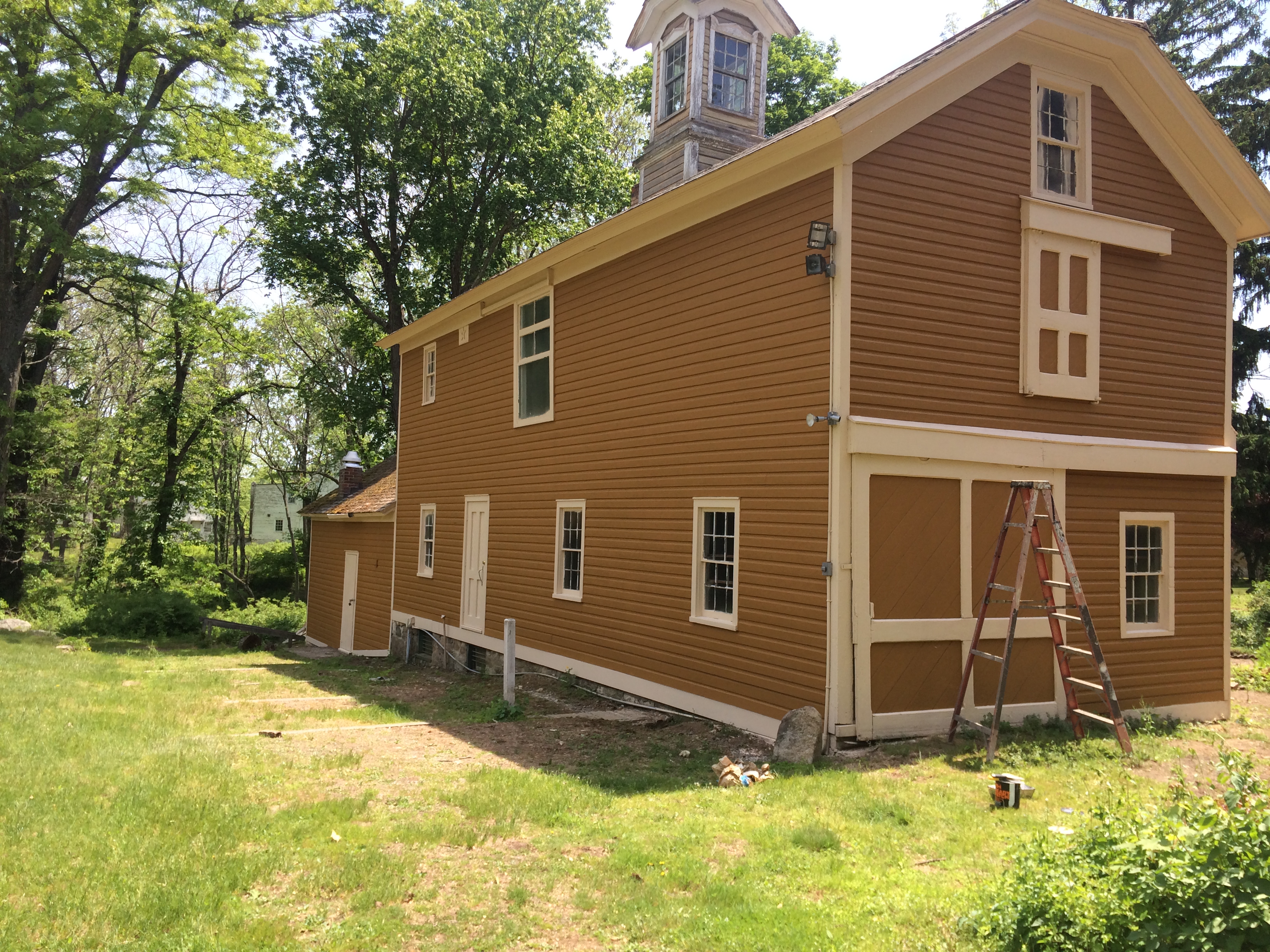
New Jersey is rich with history, its landscape dotted with buildings that tell the story of bygone eras. From Victorian manors in Cape May to colonial homesteads in the north, these structures are more than just buildings; they are tangible links to our past. Preserving them requires a specialized approach that goes far beyond a standard paint job. True historic restoration painting is a meticulous craft that balances aesthetic beauty with authentic preservation, ensuring these architectural treasures endure for generations to come.

Why Historic Painting is More Than a Coat of Paint

Painting a historic property isn’t a simple weekend project. It demands a deep understanding of historical materials, architectural styles, and the specific environmental challenges faced by older structures. Unlike modern construction, historic buildings often feature materials like old-growth wood, lime-based plaster, and early forms of metalwork, each requiring a unique preparation and coating strategy.

The primary goal is stabilization and protection. A successful historic painting project addresses underlying issues like moisture intrusion, substrate decay, and damage from previous, inappropriate paint applications. Simply applying a new layer of modern paint over compromised surfaces can trap moisture, accelerating rot and causing irreparable damage. A professional contractor specializing in historic painting in New Jersey will conduct a thorough assessment to create a plan that respects the building’s integrity while providing a durable, long-lasting finish.

Key Steps in a Professional Historic Restoration Project

1. Detailed Assessment and Research

The process begins with a comprehensive evaluation of the property. This includes identifying the original building materials and analyzing existing paint layers to understand their composition. For state-registered properties, this may involve collaborating with historical conservators to ensure all work adheres to strict preservation guidelines. The goal is to replicate the original aesthetic as closely as possible while using modern materials that offer superior protection without compromising historical accuracy.

2. Meticulous Surface Preparation

This is the most critical phase. Preparation on a historic structure is far more involved than on a modern one. It may include gentle paint removal techniques to avoid damaging delicate woodwork, patching and repairing original materials with period-appropriate methods, and ensuring the substrate is clean, dry, and stable. For metal elements, services like sandblasting may be required to remove corrosion and create a perfect profile for new coatings.

3. The Right Materials and Application

Choosing the right primers and paints is essential. High-quality, breathable coatings are often necessary to allow moisture vapor to escape, preventing blistering and peeling. In some cases, specialized products like fire-retardant coatings or advanced waterproofing systems are needed to meet modern safety codes and protect the structure. The application itself, whether brushing, rolling, or using advanced techniques like electrostatic painting for metalwork, must be executed with precision to achieve a flawless finish.

Standard Painting vs. Historic Restoration

Feature Standard Residential/Commercial Painting Professional Historic Restoration Painting
Initial Goal Aesthetic update and basic surface protection. Preservation, stabilization, and authentic restoration.
Surface Prep Basic cleaning, scraping, and sanding. In-depth material analysis, delicate paint removal, substrate repair, and specialized cleaning.
Materials Standard latex or oil-based paints. Period-appropriate formulas, breathable coatings, specialty primers, and custom color matching.
Expertise General painting skills for modern surfaces. Knowledge of architectural history, material science, and conservation techniques.
Long-Term Outcome May require frequent repainting; can potentially harm old materials. Enhances structural integrity, increases property value, and provides a durable, long-lasting finish.

Historic Preservation in Tinton Falls and Across New Jersey

Here in Tinton Falls and throughout the State of New Jersey, we are stewards of a rich architectural legacy. From historic homes to institutional buildings and commercial landmarks, maintaining these properties is a community responsibility. Choosing a local, experienced painting contractor is vital. A team with deep roots in New Jersey understands the local climate and its impact on buildings, and has a vested interest in preserving the character of our towns.

Whether you own a historic home needing a careful exterior repaint or manage a historic commercial property, partnering with a specialist ensures the work is done right. Since 1989, Spectra Painting has been trusted to deliver high-quality historic restoration services, helping to protect and beautify properties across the state.

Ready to Restore Your Property’s Historic Charm?

Don’t trust your historic property to just any painter. Let the experts at Spectra Painting provide the specialized care your investment deserves. We combine time-honored techniques with modern technology to deliver exceptional results.

Get Your Free Consultation

Frequently Asked Questions

Q: How much does historic painting cost compared to regular painting?

A: Historic painting is typically more of an investment due to the extensive preparation, specialized materials, and skilled labor required. However, this investment protects the property’s value and structural integrity, often proving more cost-effective in the long run by preventing costly future repairs and ensuring a longer-lasting finish.

Q: How do you choose the right colors for a historic building?

A: Color selection for historic properties often involves research into the building’s original color palette through paint analysis. We can also consult historical color charts and work with preservation societies to recommend authentic color schemes that enhance the building’s architectural style and comply with any local historical district guidelines.

Q: Is lead paint a concern with historic properties?

A: Yes, many buildings constructed before 1978 contain lead-based paint. Spectra Painting is a lead-safe certified firm, meaning we are trained to use specific practices to safely contain and manage lead paint during preparation, protecting both our crew and the property’s occupants.

Q: Can you work on state-registered historic sites?

A: Absolutely. We have extensive experience working on historic projects, including state-registered properties. We are accustomed to partnering with conservators and adhering to the strict protocols required to preserve these important landmarks.

Glossary of Terms

Substrate: The underlying material or surface to which a coating (like paint) is applied.

Electrostatic Painting: A painting method where paint particles are electrostatically charged and drawn to a grounded surface. This technique produces a smooth, “factory-like” finish on metal items like fences and machinery with minimal overspray.

Sandblasting: A process of forcibly propelling a stream of abrasive material against a surface under high pressure to smooth a rough surface, roughen a smooth surface, shape a surface, or remove surface contaminants like old paint and rust.

Breathable Coatings: Paints or coatings that form a microporous film, allowing water vapor to pass through from the substrate to the atmosphere but preventing liquid water from penetrating from the outside. This is crucial for historic masonry and wood.

Fire-Retardant Coatings: Specialized paints that react to heat by swelling up (a process called intumescence) to form a char-like layer that insulates the substrate from the fire, slowing down combustion.