
Beyond the Brush: A Guide to Choosing an Industrial Painting Contractor in New Jersey

Protecting Your Assets: Why Specialized Industrial Painting is a Critical Investment

In the demanding environments of warehouses, manufacturing plants, and industrial facilities, a coat of paint is far more than an aesthetic choice. It’s a protective shield against corrosion, chemical spills, constant abrasion, and the harsh New Jersey weather. Choosing the right industrial painting contractor is a critical business decision that directly impacts your facility’s safety, longevity, and operational efficiency. The goal isn’t just to cover a surface; it’s to implement a long-term asset protection strategy.

The Foundation of Durability: Surface Preparation is Non-Negotiable

The single most important factor determining the success and lifespan of an industrial coating system is the quality of the surface preparation. Industrial surfaces are subjected to far more stress than residential or typical commercial walls. Contaminants like oil, rust, old failing paint, and chemical residues must be completely removed to ensure the new coating can form a powerful, lasting bond with the substrate.

Advanced Surface Preparation Techniques

Standard power washing often falls short. For industrial applications, you need a contractor proficient in more robust methods. Professional sandblasting is a cornerstone of industrial surface preparation. This process forcibly propels a stream of abrasive material against a surface to remove contaminants and create a precise surface profile—a uniform roughness that is ideal for paint adhesion. This ensures the coating locks onto the steel, concrete, or other material, preventing premature peeling, blistering, and failure.

More Than Just Paint: Selecting the Right Industrial Coatings

Industrial environments demand high-performance coatings engineered to withstand specific challenges. A knowledgeable commercial painting contractor will assess your facility’s unique conditions to recommend the optimal system. This isn’t a one-size-fits-all solution.

Epoxy & Urethane Coatings

These systems are workhorses in the industrial world. Epoxy coatings provide exceptional hardness and resistance to chemicals, making them perfect for concrete floors in warehouses and on machinery. Urethane topcoats add UV stability, preventing yellowing and degradation from sunlight on exterior tanks and structural steel.

Specialty Protective Coatings

Beyond standard protection, many facilities require specialized solutions. Fire-retardant coatings (intumescent paints) swell when exposed to heat, insulating the steel and delaying structural collapse during a fire. Meanwhile, advanced waterproofing and elastomeric coatings protect buildings from water intrusion, a common issue for concrete and masonry structures.

Precision Application: Specialized Methods for Superior Results

The right coating applied incorrectly will still fail. Professional industrial painters utilize specialized equipment and techniques to ensure a uniform, durable finish that meets strict specifications. While traditional brush and roll methods have their place, advanced techniques are often required for industrial projects.

The Advantage of Electrostatic Painting

For metal surfaces like machinery, fences, railings, and fixtures, electrostatic painting offers unparalleled efficiency and quality. In this process, paint particles are positively charged as they pass through the spray gun. The metal object being painted is grounded, creating a magnetic attraction. This pulls the paint directly to the surface, wrapping around it for complete coverage with minimal overspray. The result is a smooth, factory-like finish with less waste and a quicker return to service.

Checklist: Choosing Your Industrial Painting Contractor

Key Quality Why It Matters
Proven Experience Look for a contractor with a long history of successfully completing projects similar to yours. A company with decades of experience, like Spectra Painting’s service since 1989, demonstrates stability and deep industry knowledge.
Comprehensive Safety Program An industrial site is full of hazards. Your contractor must have a robust safety plan, adhere to all OSHA regulations, and be fully insured to protect your property and their workers.
Project Management & Flexibility Downtime costs money. A professional contractor will work with your operational schedule, offering services during nights, weekends, or planned shutdowns to minimize disruption.
Technical Expertise They should understand the complex chemistry of industrial coatings and be able to diagnose surface issues and prescribe the correct preparation and application system.

Did You Know?

Corrosion Prevention

A properly applied industrial coating system can prevent corrosion on steel structures, potentially doubling their functional lifespan and saving millions in replacement costs.

Transfer Efficiency

Electrostatic painting can achieve a transfer efficiency of over 95%, meaning less wasted paint, reduced environmental impact, and lower material costs.

Adhesion Criticality

Over 75% of all coating failures are due to improper or inadequate surface preparation, highlighting its importance in any industrial painting project.

Your Local Partner for New Jersey’s Industrial Needs

From the bustling industrial parks near Tinton Falls to facilities across Red Bank and Monmouth County, understanding local conditions is an advantage. A local industrial painting contractor is familiar with regional environmental regulations and can provide faster, more responsive service. For over three decades, Spectra Painting has been a trusted partner for New Jersey’s industrial and commercial businesses, delivering high-quality results built to withstand the test of time. Our expertise also extends to meticulous historic restoration and precise residential painting, showcasing a commitment to quality across all project types.

Ready to Protect Your Industrial Investment?

Don’t wait for corrosion and wear to compromise your assets. Partner with an industrial painting contractor who has the experience, technology, and commitment to do the job right. Contact the experts at Spectra Painting for a comprehensive consultation and quote.

Request Your Free Consultation

Frequently Asked Questions About Industrial Painting

How long will our facility be out of service during the project?

A professional industrial painting contractor prioritizes minimizing downtime. We work closely with you to develop a phased plan and can operate during off-hours, weekends, or scheduled shutdowns to ensure your operations continue with minimal disruption.

What kind of safety measures do you take on-site?

Safety is paramount. Our teams follow strict safety protocols, including full compliance with OSHA standards, use of appropriate personal protective equipment (PPE), proper ventilation, and secure site containment to protect both your employees and our crew.

Is sandblasting a messy process?

While inherently dusty, professional sandblasting operations utilize advanced containment systems, such as dust collectors and barriers, to control debris and minimize the impact on the surrounding environment.

How do I know which coating is right for my facility?

The right contractor will never offer a one-size-fits-all solution. We conduct a thorough site assessment, considering factors like substrate type, chemical exposure, UV RAYS, and operational use, to recommend a specific coating system tailored to your facility’s needs and budget.


Why Sandblasting is the Unsung Hero of a Flawless Paint Finish

The secret to a durable, long-lasting coating lies in perfect surface preparation.

A beautiful coat of paint can transform a property, but what ensures that vibrant color and protective layer stand the test of time? The answer isn’t just in the quality of the paint—it’s in the preparation of the surface beneath. For many industrial, commercial, and even residential projects, the most effective preparation method is sandblasting and painting. This powerful duo cleans, profiles, and primes surfaces for a finish that is not only visually stunning but also incredibly durable. Without proper surface prep, even the most advanced coating system is destined to fail.

For property managers and homeowners in Red Bank, NJ, understanding this crucial first step can mean the difference between a paint job that lasts for years and one that fails prematurely. Here, we’ll explore why combining professional sandblasting with expert painting is the gold standard for achieving a superior and lasting finish on any project.

What is Sandblasting and Why Is It Essential?

Sandblasting, also known as abrasive blasting, is a surface preparation technique that uses a high-pressure stream of abrasive material to clean and profile a surface. Think of it as an industrial-strength exfoliation that strips away all impurities, leaving behind a pristine base. This process effectively removes:

  • Old, failing paint and coatings
  • Rust and corrosion
  • Mill scale, grease, and oil
  • Surface contaminants and built-up grime

But sandblasting does more than just clean. It creates a specific “surface profile” or “anchor pattern”—a uniform roughness that dramatically increases the surface area. This texture allows the new primer and paint to grip the surface, creating a powerful mechanical bond that is essential for long-term adhesion. A coating applied to a poorly prepared surface may peel, crack, or fail, but one applied to a professionally blasted surface will last significantly longer.

The Unbeatable Benefits of Combined Sandblasting and Painting

1. Superior Adhesion and Longevity

The primary benefit of sandblasting before painting is unparalleled adhesion. The clean, textured surface allows the paint to form a much stronger bond than it could on a smooth or contaminated surface. This leads to a finish that is highly resistant to chipping, peeling, and blistering, extending the life of your investment and reducing long-term maintenance costs.

2. Complete Removal of Contaminants

Hidden contaminants like rust, oils, and salts can compromise a new paint job from beneath, causing it to fail prematurely. Sandblasting is exceptionally effective at removing all traces of these destructive elements, ensuring the surface is completely inert and ready for coating. This thorough cleaning is especially important for industrial equipment and metal structures exposed to harsh environments.

3. Efficiency and Speed

Compared to manual methods like scraping, sanding, or chemical stripping, sandblasting is incredibly fast and efficient. What could take days of manual labor can often be accomplished in a fraction of the time, minimizing downtime for commercial facilities and speeding up project timelines for residential painting.

4. Versatility for Different Materials

Professional sandblasting isn’t a one-size-fits-all process. The type of abrasive media can be tailored to the specific substrate. Harder media like steel grit is used for robust steel surfaces, while gentler options like crushed glass or even walnut shells can be used for more delicate materials, including certain types of masonry or in historic restoration projects. This adaptability makes it suitable for a wide range of applications, from industrial tanks to historic brick facades.

Choosing the Right Abrasive: A Key to Success

The success of a sandblasting project depends heavily on selecting the correct abrasive media. Different materials create different surface profiles and are suited for different substrates. Here’s a quick comparison of common media:

Abrasive Media Best For Key Characteristics
Steel Grit / Shot Heavy-duty steel, rust and mill scale removal Aggressive, fast, and reusable. Creates a deep anchor profile.
Aluminum Oxide Metal, glass, and wood finishing Very hard and sharp, reusable, creates a clean, textured surface.
Crushed Glass Concrete, steel, paint removal Eco-friendly (recycled), low dust, effective for profiling.
Walnut Shells Soft woods, plastics, delicate surfaces Gentle, biodegradable, cleans without damaging the substrate.

An experienced sandblasting and painting contractor will assess the specific needs of your project to choose the optimal media, ensuring a perfect finish without damaging the underlying material.

Local Expertise in Red Bank, New Jersey

In coastal areas like Red Bank, properties face unique challenges from salt, moisture, and fluctuating weather conditions. These elements accelerate corrosion on metal surfaces and cause paint to degrade more quickly. For local commercial painting and industrial projects, sandblasting is not just beneficial—it’s often a necessity. It provides the robust surface preparation needed to apply coatings that can withstand the demanding coastal environment.

For over three decades, Spectra Painting has been serving New Jersey with high-quality surface preparation and coating services. We understand the local climate and the specific requirements needed to protect your commercial and residential properties, from industrial facilities in Tinton Falls to historic homes in Red Bank.

Ready for a Finish That Lasts?

Don’t compromise on the quality and longevity of your next painting project. Ensure a flawless, durable finish with professional sandblasting and painting services from Spectra Painting. Our experienced team is ready to tackle projects of any scale.

Get Your Free Quote Today

Frequently Asked Questions

Is sandblasting safe for all surfaces?

While incredibly effective, sandblasting requires professional expertise to be performed safely. The pressure and abrasive media must be carefully selected for the specific surface to avoid damage. Softer materials like wood or historic brick require gentler methods, such as using soda or walnut shells as media. An experienced contractor will know exactly how to treat your surface without causing harm.

How does sandblasting compare to pressure washing?

Pressure washing uses high-pressure water to remove dirt, grime, and loose paint. It is a good cleaning method but does not typically remove tightly bonded rust or create the surface profile needed for optimal paint adhesion. Sandblasting is a more aggressive preparation method that both cleans and texturizes the surface, making it superior for coatings that require a strong mechanical bond.

Is the process messy?

Professional sandblasting involves containment measures to control dust and debris. At Spectra Painting, our crews use full environmental containment systems and follow strict protocols to minimize the impact on the surrounding area and ensure a clean, safe job site.

When is sandblasting necessary for a painting project?

Sandblasting is highly recommended for surfaces with heavy rust or corrosion, failing previous coatings, or when applying high-performance industrial coatings. It is standard practice for preparing structural steel, industrial machinery, tanks, and concrete floors before painting. For any project where durability and longevity are the top priorities, sandblasting is the best first step.

The Ultimate Guide to Sandblasting and Painting for Long-Lasting Results

Achieving a Flawless, Durable Finish for Your New Jersey Property

A high-quality paint job is more than what you see on the surface. For a finish that truly lasts, protects your investment, and withstands the elements, the secret lies in meticulous preparation. For many metal, concrete, and masonry surfaces, the gold standard of preparation is sandblasting. This powerful technique ensures that your new coating adheres perfectly and performs flawlessly for years to come. It’s the critical first step toward a finish that doesn’t just look good, but endures.

The Power of Preparation: What is Sandblasting?

Sandblasting, also known as abrasive blasting, is a surface preparation process that involves propelling a stream of abrasive material at high velocity against a surface. The goal isn’t just to clean, but to completely strip the surface of all foreign matter and create an ideal profile for new coatings to bond with. This process effectively removes:

  • Old, failing paint and coatings
  • Rust and corrosion
  • Mill scale from new steel
  • Grease, oil, and other surface contaminants
  • Surface imperfections

By removing these inhibitors, sandblasting creates a clean, etched surface. This “anchor pattern” gives the primer and paint something to grip onto, forming a mechanical and chemical bond that is far stronger than what’s possible on a smooth or improperly cleaned surface. This is the foundation of a high-performance coating system.

Why Combine Sandblasting with Professional Painting?

Pairing sandblasting with a professional painting application is not just a best practice; it’s essential for projects where durability is non-negotiable. Whether for industrial machinery or a residential wrought-iron fence, this combination offers unparalleled benefits that save money and maintenance headaches over time.

Unmatched Adhesion & Longevity

The primary benefit is a dramatically extended coating lifespan. Paint applied over a sandblasted surface resists peeling, chipping, blistering, and flaking. The anchor profile ensures the primer and paint become an integrated part of the surface, rather than just a layer sitting on top. This is crucial for both commercial painting projects exposed to heavy wear and residential painting where curb appeal and protection are paramount.

Superior Corrosion Protection

For any steel or iron surface, rust is the enemy. Sandblasting removes all existing corrosion and creates a perfectly clean substrate. When immediately followed by a high-performance primer and topcoat system (like epoxy or urethane coatings), it forms an impermeable barrier that prevents moisture and oxygen from reaching the metal, effectively stopping rust before it can even begin.

A Smoother, More Uniform Finish

Beyond protection, sandblasting and painting deliver a superior aesthetic. By stripping away old, uneven layers of paint and smoothing out surface flaws, the final application is pristine and uniform. This factory-like finish is impossible to achieve when painting over existing imperfections.

Did You Know? Quick Facts About Abrasive Blasting

It’s Not Always Sand

The term “sandblasting” is often used generically. Modern abrasive blasting uses various media depending on the substrate and desired finish, including steel grit, glass beads, coal slag, and even walnut shells for delicate surfaces.

Profile is Key

The roughness of the surface after blasting is called its “profile.” This is precisely measured to ensure it matches the specifications of the coating being applied for optimal performance and adhesion.

Mobile & Versatile

Modern sandblasting equipment is often mobile, allowing professionals to bring this powerful surface preparation capability directly to job sites, from industrial facilities to residential properties.

Common Applications for Sandblasting and Painting

The versatility of sandblasting makes it suitable for a wide range of projects across different sectors. Here are just a few examples where this powerful duo delivers exceptional results:

  • Industrial & Commercial: Structural steel beams, warehouses, storage tanks, heavy machinery, pipes, concrete flooring, and municipal structures.
  • Residential: Wrought iron fences and gates, metal railings, swimming pools, brick and stone cleaning, and restoring metal patio furniture.
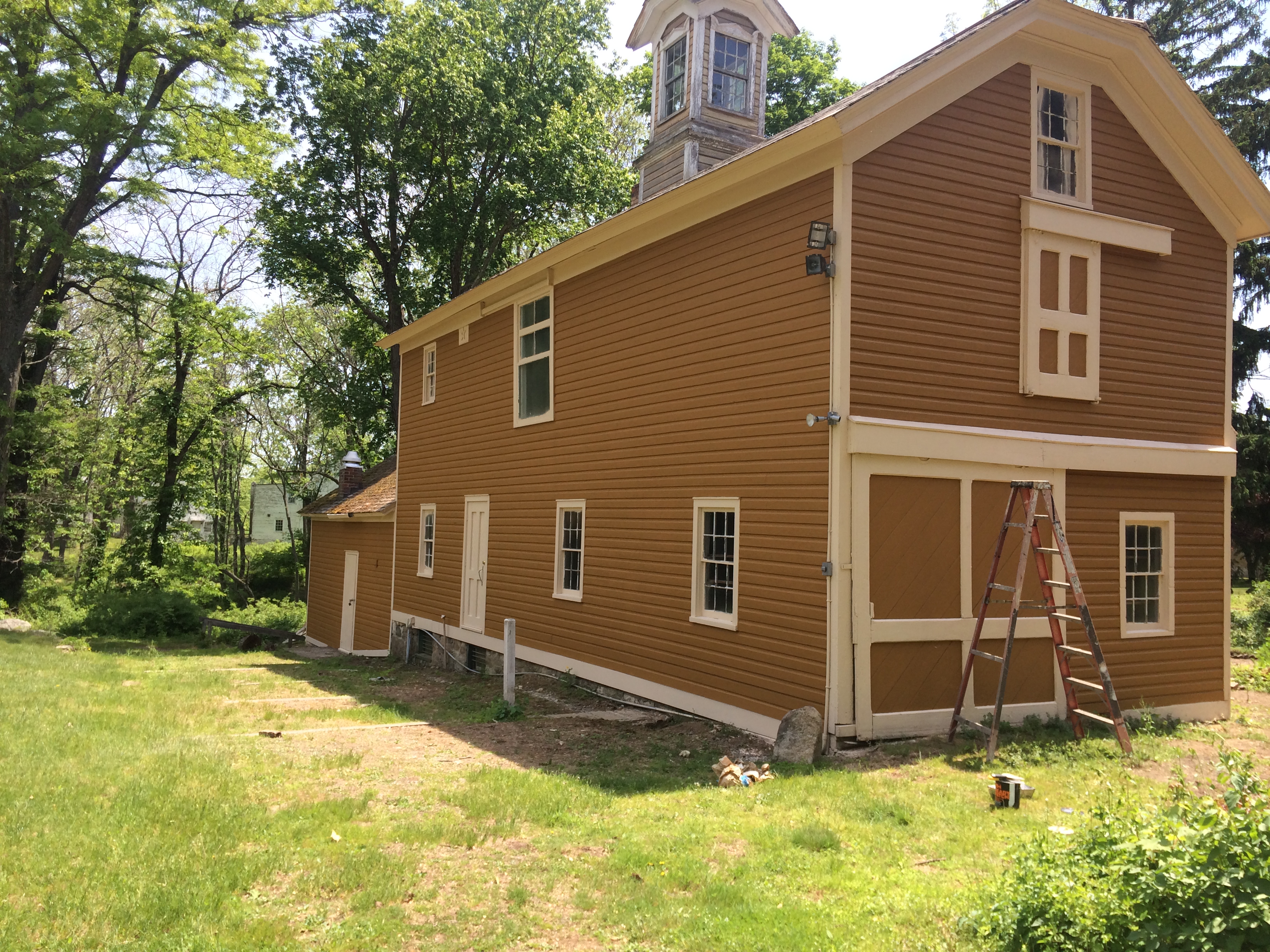
  • Historic Restoration: This technique is invaluable for historic restoration painting, where it is used with care to remove failed coatings and contaminants from historic steel, ironwork, and masonry without damaging the underlying substrate.

The Right Approach for Tinton Falls, New Jersey Properties

Here in New Jersey, properties face unique environmental challenges. From humid summers and harsh winters to the salt-laden air near the coast, exterior surfaces are under constant assault. Standard paint jobs can fail quickly under these conditions. This is why professional surface preparation like sandblasting is not a luxury—it’s a necessity for long-term protection.

Since 1989, Spectra Painting has been the trusted professional painting contractor for Tinton Falls and the surrounding New Jersey communities. We understand the local climate and the specific demands it places on coatings. Our expertise in combining industrial-grade sandblasting with high-performance painting systems ensures that your property, whether it’s a commercial facility or a family home, receives a durable, protective, and beautiful finish that will stand the test of time.

Protect Your Investment with a Lasting Finish

Don’t settle for a paint job that will peel and fail. Start with the right foundation. Contact Spectra Painting today to discuss your sandblasting and painting needs and get a free, no-obligation quote.

Get Your Free Quote

Frequently Asked Questions

Is sandblasting safe for my property?

Yes, when performed by experienced professionals. Experts use containment systems to control dust and debris. They also select the appropriate abrasive media and pressure to effectively clean the surface without causing damage to the substrate or surrounding areas.

How long does the sandblasting and painting process take?

The timeline depends on the size and complexity of the project, including the initial condition of the surface and the type of coating system being applied. A professional contractor can provide a detailed project schedule after an initial assessment.

Can you sandblast any type of metal surface?

Sandblasting is highly effective for most ferrous and non-ferrous metals, including steel, iron, and aluminum. However, very thin or delicate metals may require a gentler abrasive media or lower pressure to avoid warping. A professional assessment is key.

What kind of paint is used after sandblasting?

The choice of paint or coating depends entirely on the application. For industrial and commercial projects, high-performance coatings like epoxies and urethanes are common for their chemical and abrasion resistance. For residential applications, durable acrylic or oil-based paints may be used. The coating system is always specified to match the surface and its intended environment.